
Chevron Plans New Oil Pipeline in Iraq to Bypass Strait of Hormuz
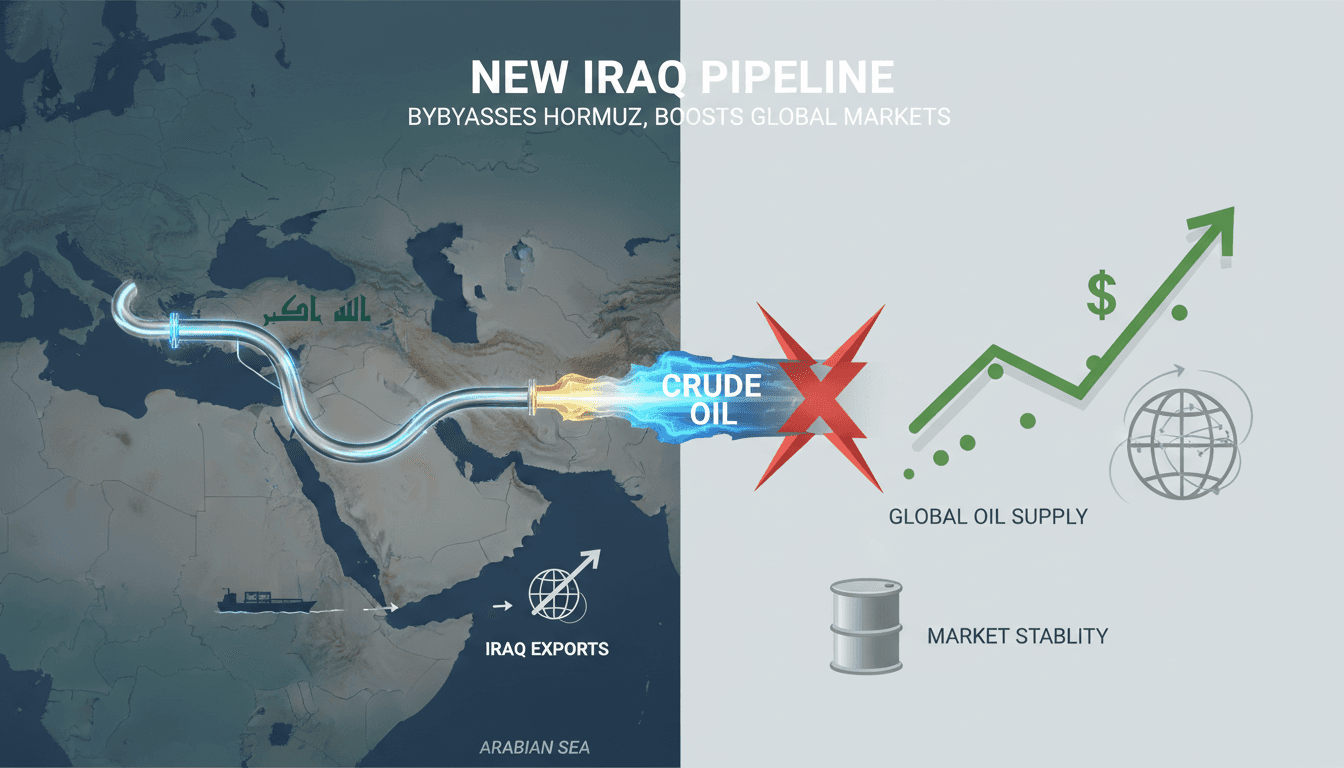
Here's what it means for you.
Chevron's initiative to develop a new oil pipeline in Iraq could significantly alter the landscape of oil exports in the region. By circumventing the Strait of Hormuz, this project aims to enhance Iraq's export capacity while reducing vulnerability to geopolitical tensions. The collaboration with a Syrian-Qatari consortium highlights the complexities of energy projects in politically sensitive areas. This development may also influence global oil markets, particularly as Iraq seeks to revitalize its oil infrastructure, which has been dormant for over two decades. Stakeholders in the energy sector should closely monitor the implications of this project on supply chains and pricing dynamics.
What happened
Chevron is exploring the development of a new oil pipeline in Iraq, aiming to boost oil exports while avoiding the critical chokepoint of the Strait of Hormuz. This initiative comes in response to ongoing regional tensions and the need to revitalize Iraq's oil infrastructure, which has been non-operational since it was damaged in 2003. The company is considering investments in Iraqi oil fields as part of this strategic move.
The proposed pipeline will involve collaboration with a consortium that includes a Syrian-Qatari group, indicating a multifaceted approach to enhancing Iraq's oil export capabilities. If successful, this project could reshape Iraq's oil export dynamics and reduce reliance on traditional shipping routes.
The Context
The Strait of Hormuz is a vital passage for global oil shipments, making any developments in this region particularly significant. The existing Iraqi oil pipeline has not been operational for over 20 years, underscoring the long-term impact of geopolitical conflicts on the country's infrastructure. Chevron's plans reflect a broader strategy to mitigate risks associated with this critical chokepoint.
The collaboration with a diverse consortium, including a venture firm linked to Tom Barrack, adds another layer of complexity to the project. As Iraq seeks to enhance its oil export capacity, the timing of this initiative is crucial, especially given the persistent geopolitical risks in the Middle East.
Takeaway
If Chevron's project proceeds as planned, it could significantly reshape Iraq's oil export strategy and influence global oil markets. Stakeholders should monitor developments in the geopolitical landscape of the Middle East, as these factors will play a crucial role in the project's success. Updates on Chevron's investment decisions and partnerships will also be critical to understanding the potential impact on oil supply chains.
The success of this pipeline could lead to a more stable export environment for Iraq, reducing its vulnerability to regional conflicts. Observers should remain vigilant as the situation evolves, particularly in light of the ongoing tensions in the region.
Breaking news, politics, business, and entertainment from the U.S. and around the world.
"The New York Post is a tabloid-format newspaper known for its sensationalist headlines and conservative-leaning editorial tone."
— A47 Editor
Chevron weighs new Iraqi oil pipeline to avoid Strait of Hormuz during Iran war
Chevron is considering the construction of a new oil pipeline in Iraq to circumvent the Strait of Hormuz, which has been a critical maritime route for oil transport and is currently under heightened military tensions due to the ongoing conflict with ...
Global political, business, and cultural coverage from WSJ international desks.
"The Wall Street Journal offers extensive international reporting with a reputation for financial insight and a center-right editorial stance."
— A47 Editor
Chevron Will Explore Creating Strait of Hormuz Alternative for Iraqi Oil
Chevron is exploring the possibility of investing in oil fields and developing a pipeline to create an alternative route for Iraqi oil exports, aiming to enhance the country's oil production capabilities. This initiative comes in response to ongoing ...
U.S. business news, corporate developments, and economy.
"The Wall Street Journal is respected for deep financial and economic reporting with a center-right editorial perspective."
— A47 Editor
Chevron Will Explore Creating Strait of Hormuz Alternative for Iraqi Oil
Chevron is exploring the possibility of investing in oil fields and constructing a pipeline to enhance Iraq's oil exports, aiming to create an alternative route to the strategically significant Strait of Hormuz. This initiative comes as Iraq seeks to...
Editor-curated FT homepage stories spanning markets, business, world, and opinion.
"The Financial Times is a globally respected business publication with a centrist/center-left tone and strong markets focus."
— A47 Editor
Chevron and Iraq seek to bypass Strait of Hormuz with Syria pipeline
Chevron, in collaboration with Iraq and a Syrian-Qatari consortium, is advancing plans for a pipeline project aimed at bypassing the strategically significant Strait of Hormuz. This initiative comes as tensions in the region continue to disrupt oil s...