
Critical Linux Kernel Vulnerability Disclosed Allowing Local Privilege Escalation
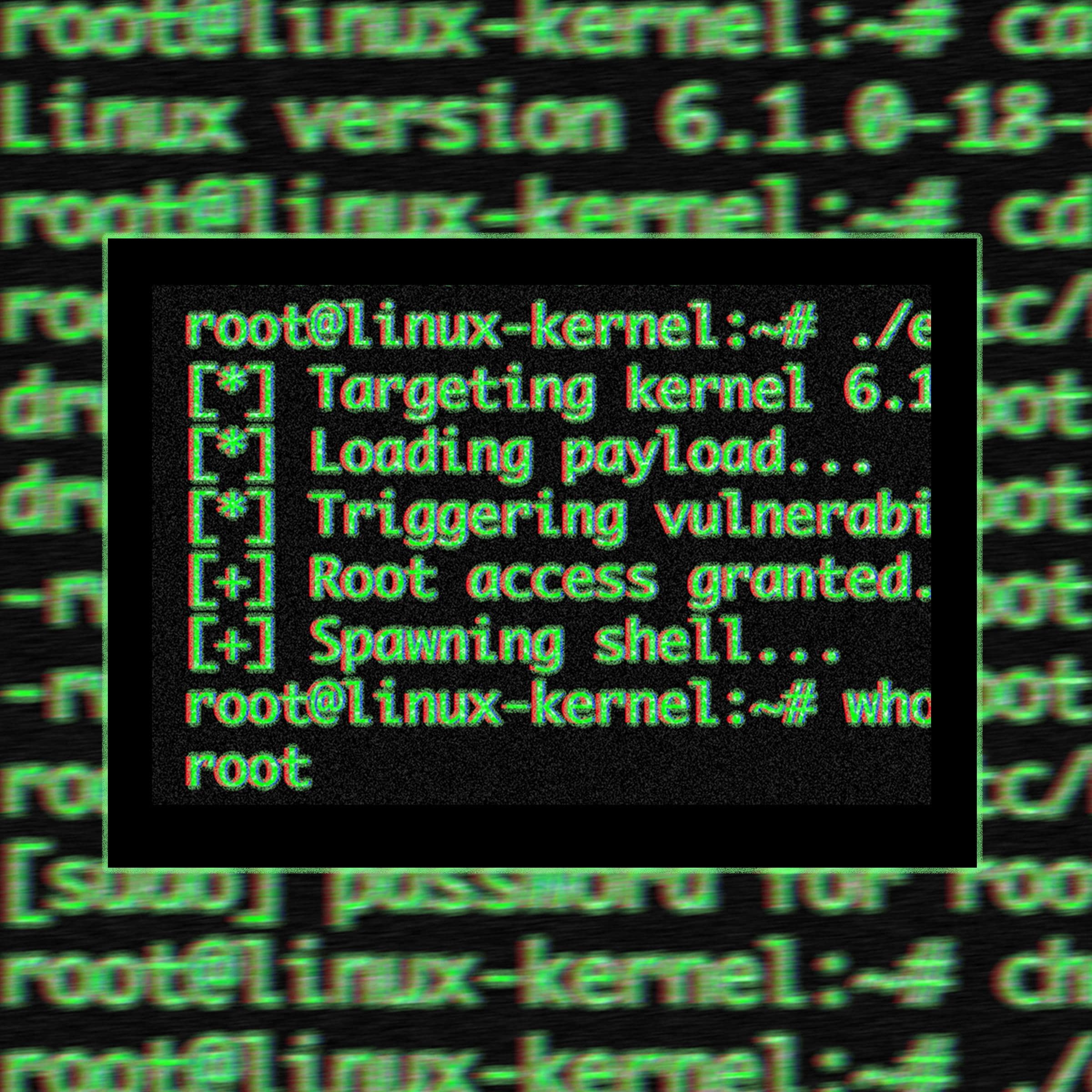
Here's what it means for you.
If you rely on Linux systems for your operations, immediate patching is essential to safeguard against potential root access exploits.
Why it matters
This vulnerability exposes a significant risk to shared infrastructure, particularly in cloud environments and containerized applications.
What happened (in 30 seconds)
- On April 29, 2026: Theori disclosed CopyFail (CVE-2026-31431), a critical local privilege escalation vulnerability in the Linux kernel.
- Affected systems: Virtually all major Linux distributions, including Ubuntu, RHEL, SUSE, and Debian, are at risk through kernels up to 7.0-rc.
- Exploit details: A 732-byte Python proof-of-concept exploit can grant unprivileged users root access, impacting shared infrastructures like Kubernetes clusters.
The context you actually need
- Origin of the flaw: The vulnerability stems from a 2017 kernel commit that introduced a logic flaw in the crypto API, allowing for buffer overruns.
- Historical parallels: CopyFail echoes previous vulnerabilities like Dirty Pipe and Dirty Cow, highlighting ongoing risks in shared kernel environments amid increasing containerization.
- Discovery and response: Theori's AI-powered Xint Code scanner identified the flaw, leading to rapid acknowledgment and patching by major Linux distributions.
What's really happening
The CopyFail vulnerability, formally designated as CVE-2026-31431, is a critical local privilege escalation flaw that allows unprivileged local users to gain root access on Linux systems. This vulnerability was introduced in 2017 through a kernel commit that enabled in-place authenticated encryption with associated data (AEAD) processing. The flaw specifically arises from a buffer overrun in the authencesn template during IPsec extended sequence number handling. This overflow allows four bytes to corrupt the page cache via AF_ALG sockets and splice(), creating a pathway for privilege escalation.
The implications of this vulnerability are particularly severe in shared environments, such as cloud services and containerized applications, where multiple users operate on the same infrastructure. The exploit, which is only 732 bytes in size, can reliably escalate privileges to root across all major distributions, making it a potent tool for attackers. The rapid disclosure and subsequent patching efforts underscore the urgency of addressing such vulnerabilities in the Linux kernel, especially as the reliance on shared kernel environments continues to grow.
The timeline of events surrounding CopyFail illustrates a well-coordinated response from the Linux community. After Theori reported the vulnerability on March 23, 2026, it was acknowledged the following day, and patches were proposed and reviewed shortly thereafter. By April 1, a mainline fix was committed, and by April 29, the vulnerability was publicly disclosed along with a proof-of-concept exploit. This swift action reflects the Linux community's commitment to maintaining security in an increasingly complex technological landscape.
However, the disclosure has also sparked discussions about the coordination of vulnerability announcements. While some experts criticized the timing and method of disclosure, the consensus remains that immediate patching is crucial. The vulnerability has already been added to the CISA's Known Exploited Vulnerabilities catalog, indicating that exploitation attempts are likely occurring in the wild. As organizations rush to patch their systems, the potential for exploitation in unpatched environments remains a pressing concern.
Who feels it first (and how)
- System Administrators: Responsible for patching and securing Linux systems, they face immediate pressure to implement fixes.
- Cloud Service Providers: Companies like AWS and Azure that host Linux-based services must ensure their infrastructure is secure to prevent tenant compromises.
- Developers: Those working with containerized applications need to be aware of the risks associated with unpatched systems, especially in CI/CD pipelines.
- Enterprises: Organizations using vulnerable distributions (e.g., Ubuntu, RHEL, SUSE) are at heightened risk of security breaches and must act quickly to mitigate threats.
What to watch next
- Patch adoption rates: Monitor how quickly organizations implement the patches across various distributions, as slow adoption could lead to increased exploitation.
- Exploitation reports: Keep an eye on reports of in-the-wild exploitation, particularly in cloud environments, to gauge the vulnerability's impact.
- Community response: Watch for any updates from the Linux community regarding further vulnerabilities or enhancements to security protocols in response to CopyFail.
The vulnerability affects virtually all major Linux distributions and has been confirmed to allow root access through a simple exploit.
Exploitation attempts will increase in the coming weeks, particularly in environments that have not yet patched their systems.
The full extent of the vulnerability's impact on shared infrastructure and cloud services remains to be seen as organizations respond to the threat.
Frequently Asked Questions
- Why it matters?
- This vulnerability exposes a significant risk to shared infrastructure, particularly in cloud environments and containerized applications.
- What happened (in 30 seconds)?
- On April 29, 2026: Theori disclosed CopyFail (CVE-2026-31431), a critical local privilege escalation vulnerability in the Linux kernel. Affected systems: Virtually all major Linux distributions, including Ubuntu, RHEL, SUSE, and Debian, are at risk through kernels up to 7.0-rc. Exploit details: A 732-byte Python proof-of-concept exploit can grant unprivileged users root access, impacting shared infrastructures like Kubernetes clusters.
- What's really happening?
- The CopyFail vulnerability, formally designated as CVE-2026-31431, is a critical local privilege escalation flaw that allows unprivileged local users to gain root access on Linux systems. This vulnerability was introduced in 2017 through a kernel commit that enabled in-place authenticated encryption with associated data (AEAD) processing. The flaw specifically arises from a buffer overrun in the authencesn template during IPsec extended sequence number handling. This overflow allows four bytes t
- Who feels it first (and how)?
- System Administrators: Responsible for patching and securing Linux systems, they face immediate pressure to implement fixes. Cloud Service Providers: Companies like AWS and Azure that host Linux-based services must ensure their infrastructure is secure to prevent tenant compromises. Developers: Those working with containerized applications need to be aware of the risks associated with unpatched systems, especially in CI/CD pipelines. Enterprises: Organizations using vulnerable distribution
- What to watch next?
- Patch adoption rates: Monitor how quickly organizations implement the patches across various distributions, as slow adoption could lead to increased exploitation. Exploitation reports: Keep an eye on reports of in-the-wild exploitation, particularly in cloud environments, to gauge the vulnerability's impact. Community response: Watch for any updates from the Linux community regarding further vulnerabilities or enhancements to security protocols in response to CopyFail.
Emerging technologies, digital transformation, IT, and cultural impact of tech.
"WIRED covers the intersection of technology, culture, and politics with a progressive, forward-looking editorial stance."
— A47 Editor
Dangerous New Linux Exploit Gives Attackers Root Access to Countless Computers
A critical security vulnerability known as 'CopyFail', tracked as CVE-2026-31431, has been identified in Linux systems, allowing attackers to gain root access to numerous computers and data center servers. This flaw affects nearly all Linux distribut...
Tech news, hardware, and AI tools coverage.
"PC/tech site increasingly covering AI hardware and apps."
— A47 Editor
"Copy Fail" is a rare Linux bug that can turn an unprivileged user into a root admin in seconds
A critical vulnerability known as 'Copy Fail' has been identified in Linux systems, allowing unprivileged users to escalate their privileges to root admin status in seconds. This flaw, tracked as CVE-2026-31431, was discovered by researchers at Theor...
Tech news, reviews, and analysis of consumer electronics, science, art, and culture.
"The Verge is a technology-focused media outlet known for in-depth reporting, product reviews, and coverage of the intersection between technology and culture."
— A47 Editor
Severe Linux Copy Fail security flaw uncovered using AI scanning help
A severe security flaw known as 'Copy Fail' has been discovered, affecting nearly all Linux distributions released since 2017. This vulnerability, identified as CVE-2026-31431, allows any user to gain administrator privileges through a simple Python ...
Consumer tech and culture with frequent AI coverage.
"Influential tech outlet covering AI products and policy."
— A47 Editor
Severe Linux Copy Fail security flaw uncovered using AI scanning help
A severe security flaw known as 'Copy Fail' has been discovered, affecting nearly all Linux distributions released since 2017. This vulnerability, identified as CVE-2026-31431, allows any user to gain administrator privileges through a simple Python ...
Consumer tech news, reviews, and buying guides for gadgets and electronics.
"TechRadar is known for comprehensive buying advice, hardware reviews, and consumer tech news targeted at mainstream audiences."
— A47 Editor
'An hour of scan time is all it took': "Copy Fail" flaw impacts all Linux kernels released since 2017, so patch now or face the consequences
A critical security flaw known as 'Copy Fail' has been identified, affecting all Linux kernels released since 2017. This vulnerability poses significant risks, prompting experts to urge Linux users to update their systems immediately to avoid potenti...
Curated tech headlines including AI stories.
"Influential aggregator surfacing the day’s top tech/AI links."
— A47 Editor
Researchers detail CopyFail, a now-patched Linux vulnerability that lets unprivileged users gain admin access, as many distributions have yet to add fixes (Dan Goodin/Ars Technica)
Researchers have identified a critical Linux vulnerability known as CopyFail, which allows unprivileged users to gain administrative access. Despite a patch being released, many Linux distributions have yet to implement the necessary fixes, leaving s...
In-depth coverage of hardware, software, science, and policy.
"Ars Technica provides expert technology news, hardware reviews, and analysis for a technically savvy audience."
— A47 Editor
The most severe Linux threat to surface in years catches the world flat-footed
A new and severe threat to Linux systems, named CopyFail, has emerged, impacting multi-tenant servers, CI/CD workflows, and Kubernetes containers. This vulnerability has caught the global tech community off guard, raising alarms about the security of...
In-depth reporting on tech, policy, and science including AI.
"Respected analysis for technically savvy readers, including AI topics."
— A47 Editor
The most severe Linux threat to surface in years catches the world flat-footed
A new and severe threat to Linux systems, named CopyFail, has emerged, impacting multi-tenant servers, CI/CD workflows, and Kubernetes containers. This vulnerability has caught the global tech community off guard, raising alarms about the security of...