
OpenAI delays IPO to 2027 amid government scrutiny and market volatility
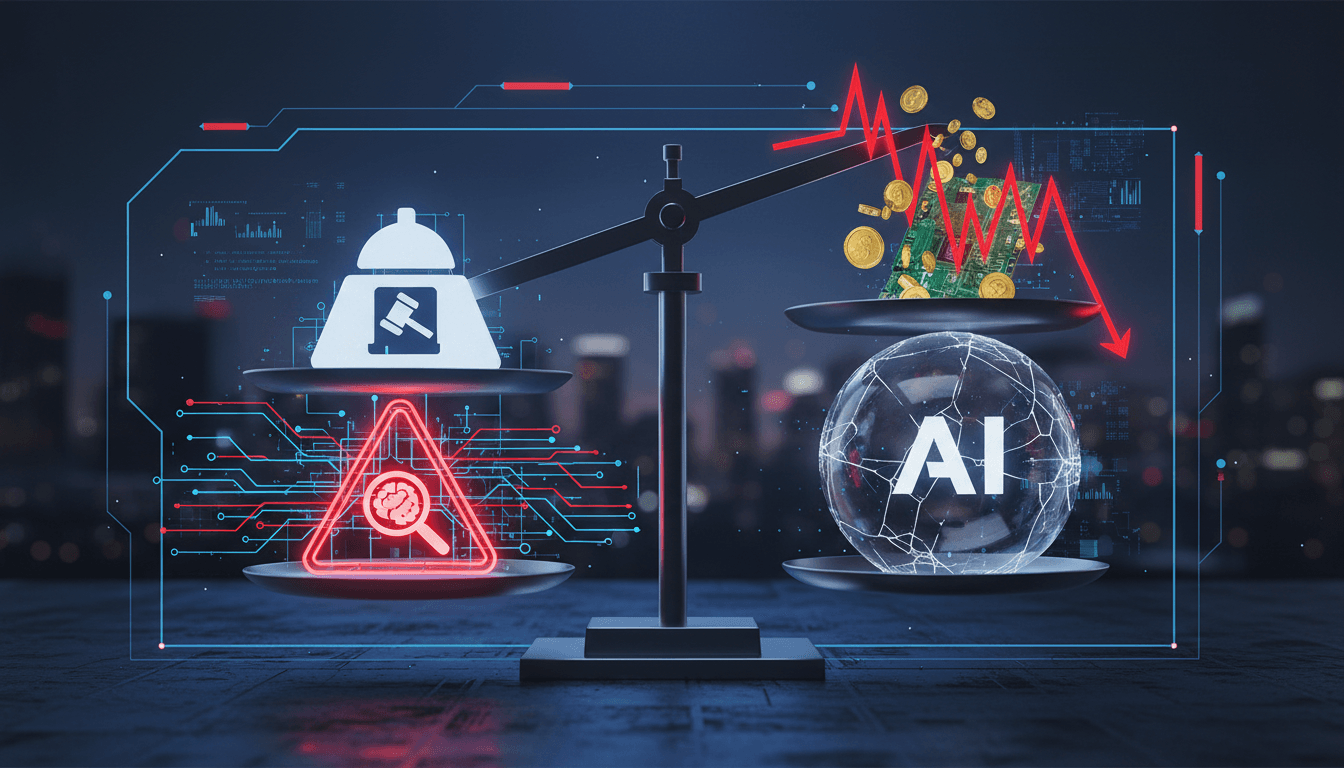
Here's what it means for you.
OpenAI's decision to postpone its IPO until 2027 signals a significant shift in the landscape of artificial intelligence investment. The interplay between government oversight and market dynamics is becoming increasingly critical for tech companies. Stakeholders must now navigate a more complex environment where regulatory actions can directly impact business strategies and valuations. This delay raises questions about the sustainability of the AI sector and the potential for an emerging bubble. Investors and industry leaders will need to closely monitor these developments as they unfold.
What happened
OpenAI has officially announced the postponement of its initial public offering (IPO) to 2027, citing government constraints and market pressures as key factors. The White House's recent intervention in the company's model release plans has intensified scrutiny over AI developments. This decision reflects broader concerns regarding the valuation of AI companies amid ongoing volatility in the tech market.
The current valuation of OpenAI stands at approximately $1 trillion, but this figure is under significant pressure due to the evolving regulatory landscape. As the company navigates these challenges, its IPO timeline has been significantly impacted.
The Context
The White House's review of AI releases is a pivotal factor influencing OpenAI's launch plans. This scrutiny comes at a time when fears of an AI bubble are growing, with experts warning of potential market fallout if such a bubble were to burst. The intersection of government oversight and market dynamics is shaping the future of AI companies like OpenAI.
As the tech industry grapples with these challenges, the implications for investment and innovation in AI are profound. Stakeholders must remain vigilant as they assess the evolving landscape and its potential repercussions.
Takeaway
Looking ahead, the future of AI companies will largely depend on how government regulations evolve and how the market responds to ongoing volatility. Investors should monitor developments in government oversight affecting AI firms closely. Additionally, market reactions to OpenAI's delayed IPO will provide insights into broader trends within the tech sector.
As these dynamics unfold, the potential for significant repercussions looms large, making it essential for stakeholders to stay informed and adaptable.
News from the United States including domestic politics, society, and culture.
"The Guardian is known for its progressive editorial stance and in-depth analysis, often advocating for social justice, environmental issues, and liberal values."
— A47 Editor
The AI bubble has further to run despite the looming crash
The AI sector is experiencing significant volatility, with tech firms like OpenAI facing scrutiny amid fears of a potential market crash. Despite the looming challenges, these companies continue to report substantial profits, attempting to stave off ...
Top international stories selected by The Guardian editors.
"The Guardian is known for its progressive editorial stance and in-depth analysis."
— A47 Editor
The AI bubble has further to run despite the looming crash
The AI sector is experiencing significant volatility, with tech firms like OpenAI facing scrutiny amid fears of a potential market crash. Despite the looming challenges, these companies continue to report substantial profits, attempting to stave off ...
UK and international business news, economics, and corporate coverage.
"The Guardian’s business section covers finance and markets with a progressive editorial tone."
— A47 Editor
The AI bubble has further to run despite the looming crash
The AI sector is experiencing significant volatility, with tech firms like OpenAI facing scrutiny amid fears of a potential market crash. Despite the looming challenges, these companies continue to report substantial profits, attempting to stave off ...
AI/ML research and technology news.
"Sister site to Phys.org focusing on tech research."
— A47 Editor
Should we fear an AI bubble bust?
Recent fluctuations in technology stocks have reignited concerns about a potential AI bubble, with experts warning that its collapse could lead to unprecedented repercussions for financial markets.
Global business headlines with AI angles.
"General business outlet that frequently covers AI."
— A47 Editor
OpenAI Reportedly Reconsiders IPO Timeline As Valuation Pressure And Market Volatility Shape Listing Plans
OpenAI is reportedly reconsidering its initial public offering (IPO) timeline due to internal concerns regarding valuation expectations and the volatility of technology-linked equities. The company is contemplating delaying the IPO until 2027, as CEO...
Tech business coverage, major deals, product launches, and Silicon Valley trends.
"WSJ’s tech section offers authoritative reporting on the intersection of technology and business, including exclusive industry analysis."
— A47 Editor
OpenAI Limits Access to New Models, Citing Government Security Concerns
OpenAI has announced limitations on access to its new AI models, citing government security concerns as a primary reason for this decision. The company indicated that a review of AI releases by the White House should not become a standard practice, s...
Stock market news, investing ideas, and trading analysis.
"TheStreet provides market news and retail-investor-focused analysis."
— A47 Editor
How the White House is quietly bottlenecking AI
OpenAI is currently facing significant delays in launching its next AI model due to intervention from the White House, marking a notable shift in how federal authorities are engaging with AI development. This is the second instance within two months ...
Curated insights and thought leadership in enterprise technology.
"Ciente.io delivers curated insights, thought leadership, and trends in B2B tech and innovation."
— A47 Editor
OpenAI’s Trillion-Dollar Ego Trip Hits a Wall
OpenAI has announced a delay in its initial public offering (IPO) until 2027, aiming to safeguard its $1 trillion valuation amidst increasing losses and regulatory challenges. This decision marks a significant shift in the company's strategy as it na...