
Sudanese farmers reduce summer planting amid rising costs linked to Iran conflict
Here's what it means for you.
The reduction in summer planting by Sudanese farmers signals a critical juncture for food security in the region. Rising costs tied to the Iran conflict are compounding existing challenges, threatening the livelihoods of farmers and the stability of food supplies. This situation necessitates urgent international attention to avert a worsening humanitarian crisis. As the agricultural sector faces these pressures, stakeholders must monitor the implications for global food markets and potential policy responses. The intersection of local agricultural challenges and international conflicts underscores the need for coordinated efforts to support vulnerable populations.
What happened
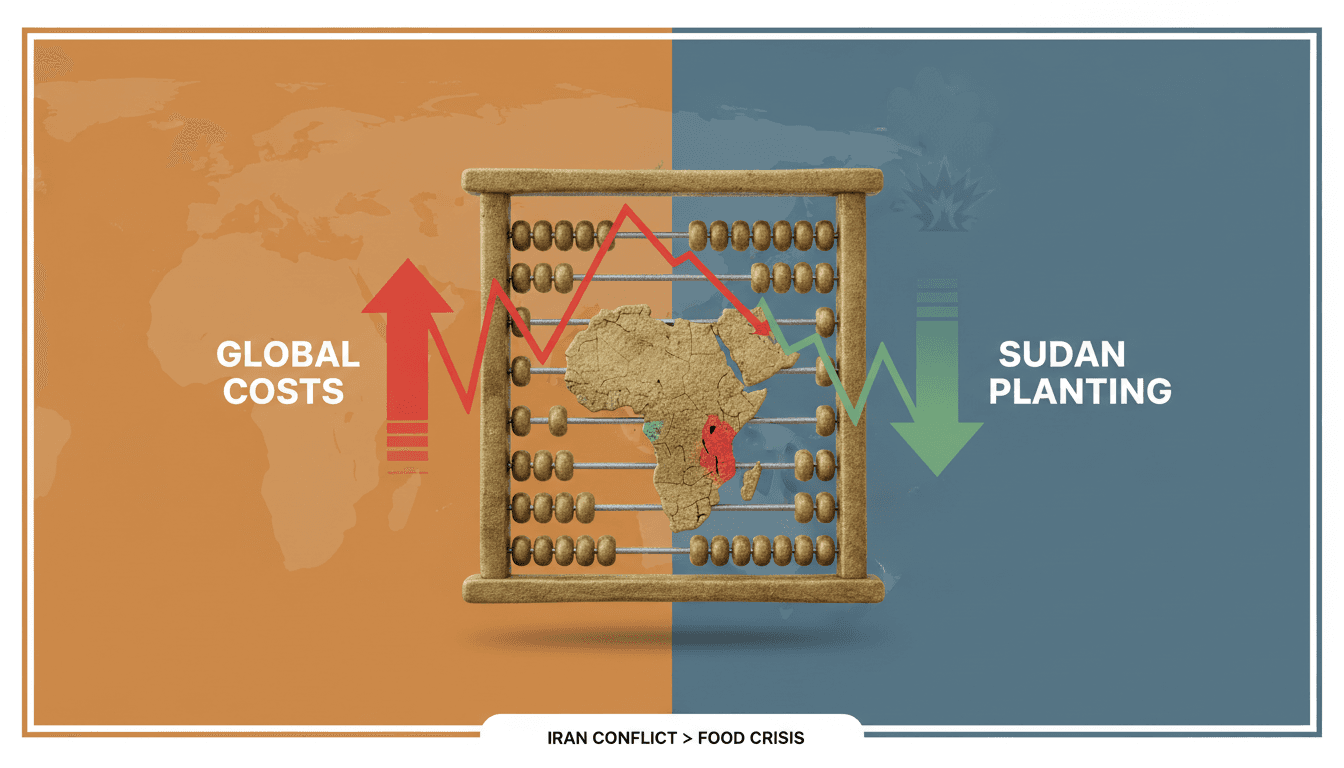
Farmers in Sudan are significantly cutting back on their summer planting due to increased costs associated with the ongoing conflict involving Iran. This decision comes as the country grapples with internal strife and acute hunger, making food production more critical than ever. The rising prices of fuel and fertilizers are directly impacting the ability of farmers to sustain their operations.
Reports indicate that the conflict has led to a precarious agricultural situation, with many farmers unable to afford the necessary inputs for planting. As a result, the potential for food shortages looms large, threatening the already fragile food security in Sudan.
The Context
Sudan is currently embroiled in a war between the army and the RSF paramilitary, which has exacerbated the humanitarian crisis. The ongoing violence has resulted in acute hunger for millions, making agricultural output vital for survival. Additionally, global shipping disruptions caused by the Iran conflict are further complicating the agricultural landscape in Sudan.
The intersection of these factors creates a precarious environment for farmers, who are already facing significant challenges. With rising costs and ongoing violence, the ability to produce food is severely compromised, threatening the livelihoods of many and exacerbating hunger in the region.
Takeaway
If the conflict continues and global prices remain high, Sudan may face an escalating food crisis that requires urgent international attention and support. Stakeholders should closely monitor the impact of global fuel prices on agricultural production in conflict zones, as well as potential international aid responses to the food crisis in Sudan.
The situation remains fluid, and the agricultural sector's stability is crucial for the well-being of the population. Continued observation of these dynamics will be essential in understanding the broader implications for food security in the region.
News, politics, and cultural topics across the African continent.
"France 24 is viewed as a globally focused outlet with balanced coverage and a European perspective."
— A47 Editor
Iran war threatens Sudan's already fragile agricultural sector
The ongoing conflict between the US and Iran is severely impacting Sudan's agricultural sector, as farmers report disruptions in food production due to blocked shipping lanes. This situation is exacerbated by the internal strife in Sudan, where the a...
Oil, metals, and agriculture: supply/demand headlines, OPEC chatter, inventories, and price action.
"Solid tape for energy and metals traders tracking macro and micro catalysts."
— A47 Editor
Iran war poses new threat to harvests in hunger-stricken Sudan
The ongoing conflict in Iran poses a significant threat to agricultural harvests in Sudan, a country already grappling with severe hunger issues. The war's impact on regional stability and supply chains raises concerns about food security in a nation...
Regional coverage and analysis focused on politics, diplomacy, and business across the Middle East.
"Al-Monitor is known for analytical reporting on Middle East politics and policy developments."
— A47 Editor
Iran war poses new threat to harvests in hunger-stricken Sudan
The ongoing conflict in Iran has led to a significant increase in global fuel and fertilizer prices, prompting farmers in Sudan to reduce their planting for the summer season. This decision comes amid an already dire humanitarian situation in Sudan, ...