
Shipping Companies Avoid Strait of Hormuz Due to US-Iran Tensions
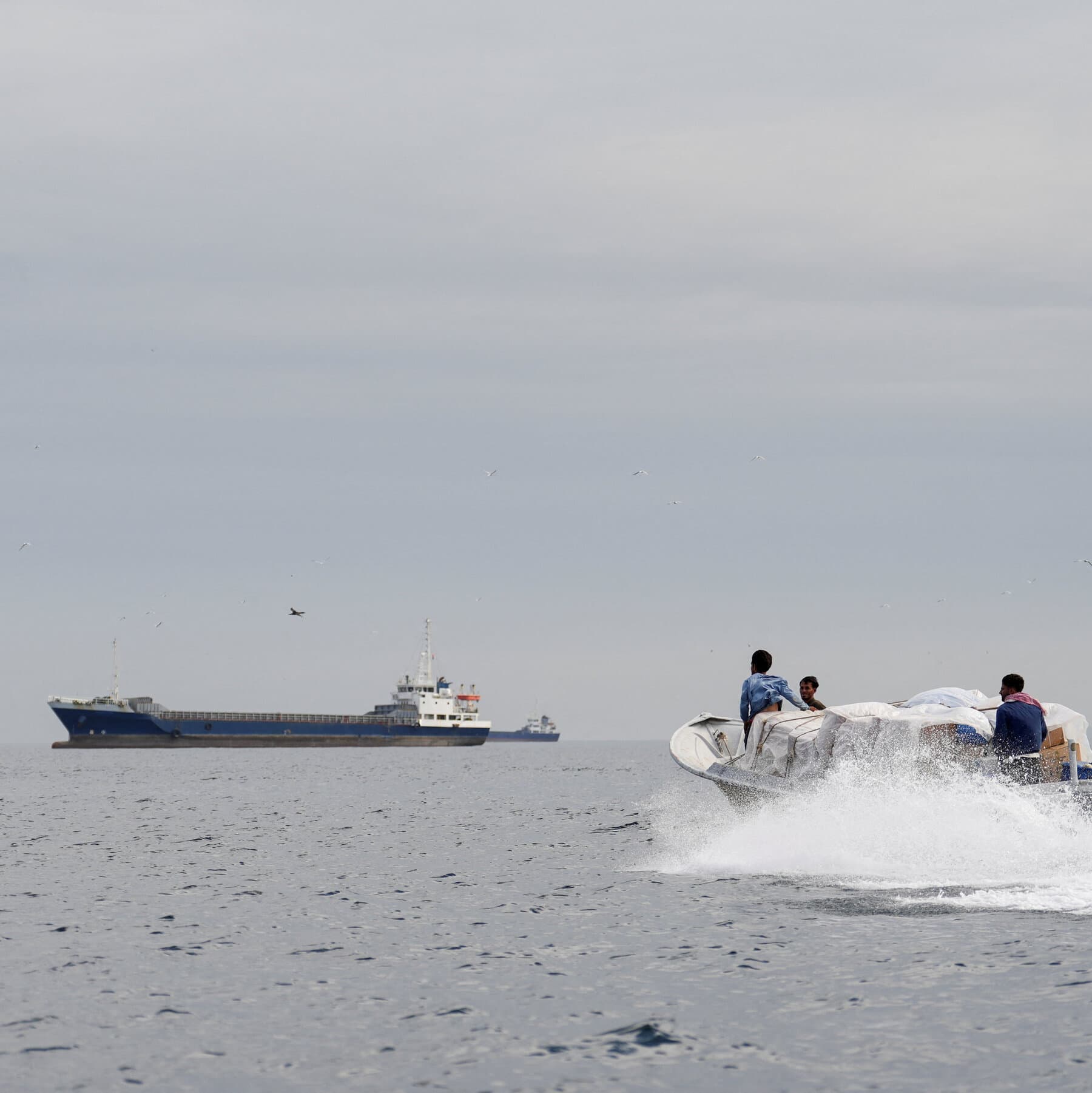
Here's what it means for you.
If you rely on global energy markets, the ongoing crisis in the Strait of Hormuz could significantly impact oil prices and supply chains.
Why it matters
The Strait of Hormuz is a vital artery for global oil trade, with about 20% of the world's oil passing through it.
What happened (in 30 seconds)
- Major shipping companies are avoiding the Strait of Hormuz due to Iranian threats and a US naval blockade.
- Transit volumes have plummeted to under 10% of normal levels, with only 7 ships passing daily compared to the usual 140.
- The crisis escalated after US-Israel airstrikes on Iran triggered retaliatory actions, including missile strikes and naval mines.
The context you actually need
- The blockade was initiated following the February 28, 2026, airstrikes that killed Iran's Supreme Leader, escalating tensions in the region.
- Iran's Islamic Revolutionary Guard Corps (IRGC) has employed tactics such as mine deployment and ship attacks to enforce the blockade, severely disrupting shipping traffic.
- The United Arab Emirates, particularly Dubai, is feeling the economic strain, with a reported $174 million decline in oil export revenues in March 2026.
What's really happening
The current situation in the Strait of Hormuz is a complex interplay of geopolitical tensions and economic repercussions. Following the US-Israel airstrikes on February 28, 2026, which resulted in the death of Iran's Supreme Leader Ali Khamenei, Iran's response was swift and aggressive. The IRGC began enforcing a blockade that included deploying naval mines and attacking vessels, which led to a dramatic decrease in shipping traffic—initially by 70% and then to near-zero levels by early March.
The US responded by implementing a naval blockade targeting Iranian-linked vessels, further complicating the situation. Shipping companies like Maersk and CMA CGM have suspended operations in the region, awaiting clearer guidance from their governments. This has created a backlog of over 230 loaded tankers in the UAE, raising concerns about crew safety and the potential for escalating tensions.
The economic implications are significant. Oil prices have surged, with Brent crude reaching $126 per barrel and Dubai crude at $166 per barrel. This spike is a direct result of the reduced supply from the Strait of Hormuz, which is critical for global energy markets. The UAE, a key player in oil exports, has reported a $174 million year-on-year decline in oil revenues, highlighting the broader economic impact of the crisis.
Moreover, the blockade has prompted international reactions, with countries like Saudi Arabia urging the US to reconsider its stance due to fears of retaliation at other strategic chokepoints like Bab al-Mandeb. China has criticized the blockade, framing it as detrimental to global interests, while the EU and International Maritime Organization have opposed Iran's tolls on vessels, fearing they set a dangerous precedent.
As the situation evolves, the potential for further military engagement remains high, and the economic fallout could ripple through global markets, affecting everything from energy prices to consumer costs.
Who feels it first (and how)
- Shipping companies: Major firms are halting operations, leading to financial losses and operational disruptions.
- Oil-exporting nations: Countries like the UAE and Saudi Arabia face declining revenues and increased economic vulnerability.
- Consumers: Rising oil prices will likely lead to higher costs for energy and goods, impacting household budgets globally.
What to watch next
- Shipping traffic levels: Monitor the number of vessels transiting the Strait of Hormuz; a sustained increase could signal easing tensions.
- Oil price fluctuations: Watch for changes in Brent and Dubai crude prices as they reflect supply chain stability or instability.
- International diplomatic efforts: Keep an eye on negotiations involving the US, Iran, and regional allies; breakthroughs could alter the blockade's status.
Shipping traffic through the Strait of Hormuz is severely restricted, with only 7 ships transiting daily.
Oil prices will remain volatile as long as the blockade persists, affecting global markets.
The long-term geopolitical ramifications of the US-Iran standoff and potential military escalations remain uncertain.
Insights by A47 Intelligence
Business and tech news excluding paywalled content.
"High-volume business/tech outlet with frequent AI coverage."
— A47 Editor
Traffic appears to halt in the Strait of Hormuz
On April 13, 2026, traffic in the Strait of Hormuz came to a near halt as the U.S. initiated a blockade following failed negotiations with Iran. This strategic waterway, crucial for global energy supply, has seen significant disruptions, leading to v...
Corporate leadership, finance, technology, and market trends.
"Fortune covers financial trends, leadership, and innovation with a pragmatic editorial approach."
— A47 Editor
With the U.S. now blockading the Strait of Hormuz, the focus is on who has ‘the guts to go through first’
The United States has announced a blockade of the Strait of Hormuz, a vital maritime route for global oil shipments, following the collapse of peace negotiations with Iran. This blockade aims to secure the strait amid rising tensions and is being coo...
Markets, economy, and company analysis from NYT’s business desk.
"The New York Times is a globally recognized newspaper offering authoritative reporting with a center-left editorial stance."
— A47 Editor
Shipping Companies Remain Reluctant to Sail Through Strait of Hormuz
Shipping companies are increasingly hesitant to navigate the Strait of Hormuz following the United States' announcement to block vessels conducting business with Iran. This decision comes amid escalating tensions and the collapse of peace negotiation...