
Paralyzed man regains movement through innovative brain implant technology
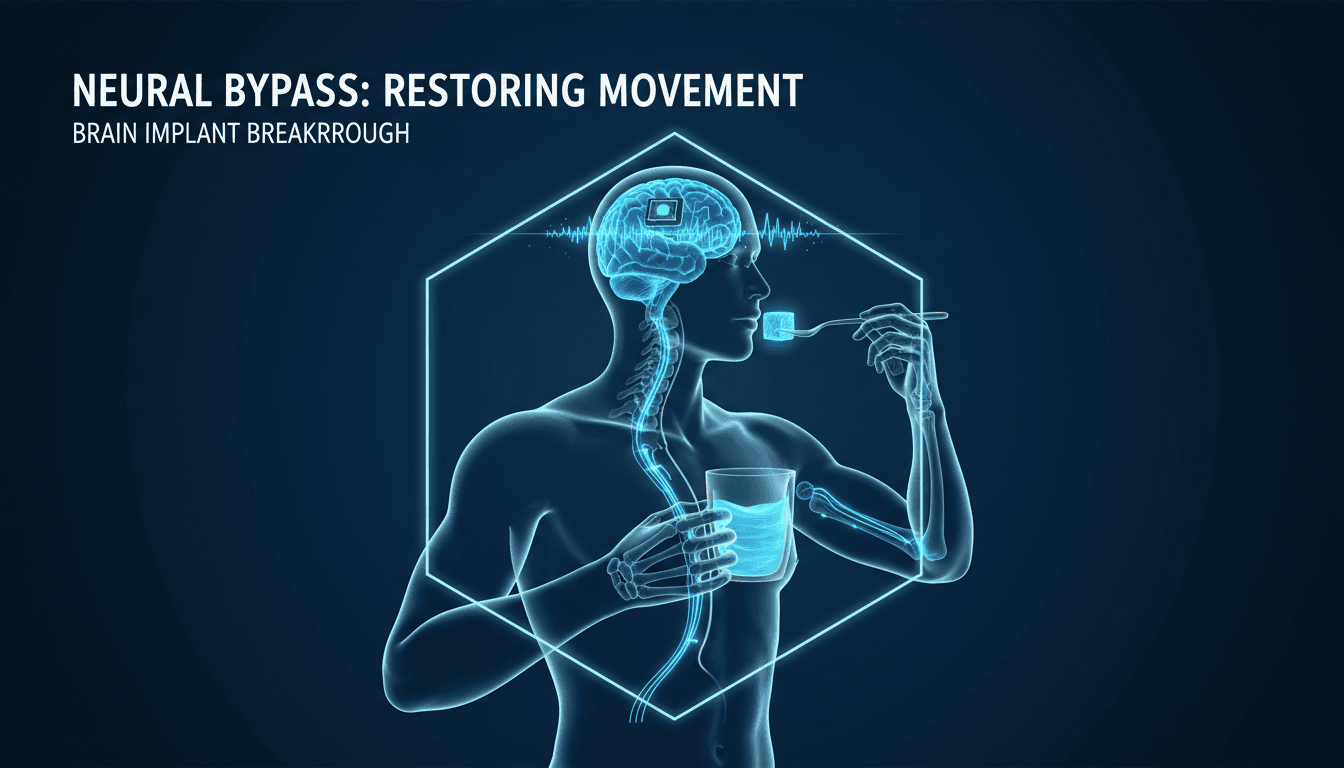
Here's what it means for you.
The recent success of Keith Thomas in regaining movement through a brain implant signifies a monumental leap in neuroprosthetics and rehabilitation. This breakthrough could reshape the landscape of treatments for paralysis, offering hope to countless individuals affected by similar conditions. As research progresses, the implications for healthcare policies and funding in neural rehabilitation technologies may become increasingly significant. The potential for this technology to inspire further innovations in brain-computer interfaces could lead to new avenues for restoring mobility and independence for patients. The advancements in this field may also encourage collaboration among researchers, healthcare providers, and technology developers.
What happened
Keith Thomas, paralyzed from the chest down for six years due to a swimming accident, has successfully regained the ability to feed himself and drink from a cup thanks to a revolutionary brain implant. This innovative technology, known as a "double neural bypass," has enabled him to restore movement and sensation in his arms and hands. Thomas participated in a clinical trial that began in 2021, undergoing extensive training following the surgery to adapt to the new capabilities.
The results of this groundbreaking study were recently published in Nature Medicine, showcasing the effectiveness of the brain implant in rewiring the nervous system. Prior to the implant, Thomas was unable to lift his arms off his wheelchair, highlighting the significant impact of this technology on his daily life.
The Context
Developed by researchers at the Feinstein Institutes for Medical Research, the brain implant represents a significant advancement in the field of neuroprosthetics. The technology's ability to bypass spinal cord injuries and reestablish neural connections is a promising step forward in treating paralysis. The trial's timeline, which began in 2021 and culminated in Thomas's recent achievements, underscores the dedication and innovation of the research team.
This breakthrough not only has the potential to change the lives of individuals with paralysis but also opens the door for further exploration into neural rehabilitation methods. As the medical community continues to investigate the applications of this technology, the implications for patient care and recovery could be profound.
Takeaway
The success of Keith Thomas's brain implant could pave the way for new treatments and therapies for paralysis, inspiring further research into neural rehabilitation technologies. Future developments in brain-computer interfaces may expand the possibilities for restoring mobility and independence for patients with similar conditions.
As researchers continue to explore the potential applications of neural bypass technology, the medical field may witness a transformative shift in how paralysis is treated. The ongoing advancements in this area will be crucial to watch in the coming years, as they hold the promise of improving the quality of life for many.
Opinionated AI coverage for general audiences.
"TNW’s AI vertical covering tools, ethics, and trends."
— A47 Editor
AI and a brain implant restored a paralysed man’s movement and touch
Researchers have successfully restored hand movement and the sense of touch to a man who was paralysed from the chest down, utilizing a technology known as a 'double neural bypass.' This innovative approach, developed by the Feinstein Institutes for ...
News and features on AI from The Guardian.
"Progressive-leaning international outlet with critical AI coverage."
— A47 Editor
Brain implant helps paralysed man to feed himself and drink from cup
Keith Thomas, a man paralyzed from the chest down due to a swimming accident six years ago, has regained the ability to feed himself and drink from a cup following a brain implant procedure that bypasses his spinal cord injury. After months of traini...
Reports on science policy, discoveries, and public debate in the scientific realm.
"The Guardian’s science section is known for thoughtful and critical reporting on global research, ethics, and public understanding of science."
— A47 Editor
Brain implant helps paralysed man to feed himself and drink from cup
Keith Thomas, a man paralyzed from the chest down due to a swimming accident six years ago, has regained the ability to feed himself and drink from a cup following a brain implant procedure that bypasses his spinal cord injury. After undergoing surge...
Tech culture, product news, and critical takes on the tech industry's social impact.
"The Guardian's tech coverage blends mainstream news, critical analysis, and cultural commentary on emerging technologies and digital trends."
— A47 Editor
Brain implant helps paralysed man to feed himself and drink from cup
Keith Thomas, a man paralyzed from the chest down due to a swimming accident six years ago, has regained the ability to feed himself and drink from a cup following a brain implant procedure that bypasses his spinal cord injury. After the surgery and ...
Top international stories selected by The Guardian editors.
"The Guardian is known for its progressive editorial stance and in-depth analysis."
— A47 Editor
Brain implant helps paralysed man to feed himself and drink from cup
Keith Thomas, a man paralyzed from the chest down due to a swimming accident six years ago, has regained the ability to feed himself and drink from a cup following a brain implant procedure that bypasses his spinal cord injury. After months of traini...
News in science and technology, with a focus on consumer and innovation stories.
"Popular Science simplifies complex scientific topics for general audiences and celebrates innovation."
— A47 Editor
After revolutionary brain-computer implant, man with paralysis can feed himself
A man with paralysis has regained the ability to feed himself following the implantation of a revolutionary brain-computer interface that rewires the nervous system. This groundbreaking technology allows for direct communication between the brain and...