
Science & Innovation
Latest news, analysis, and updates on Science & Innovation from A47 News.
10 stories in Tech · Updated live
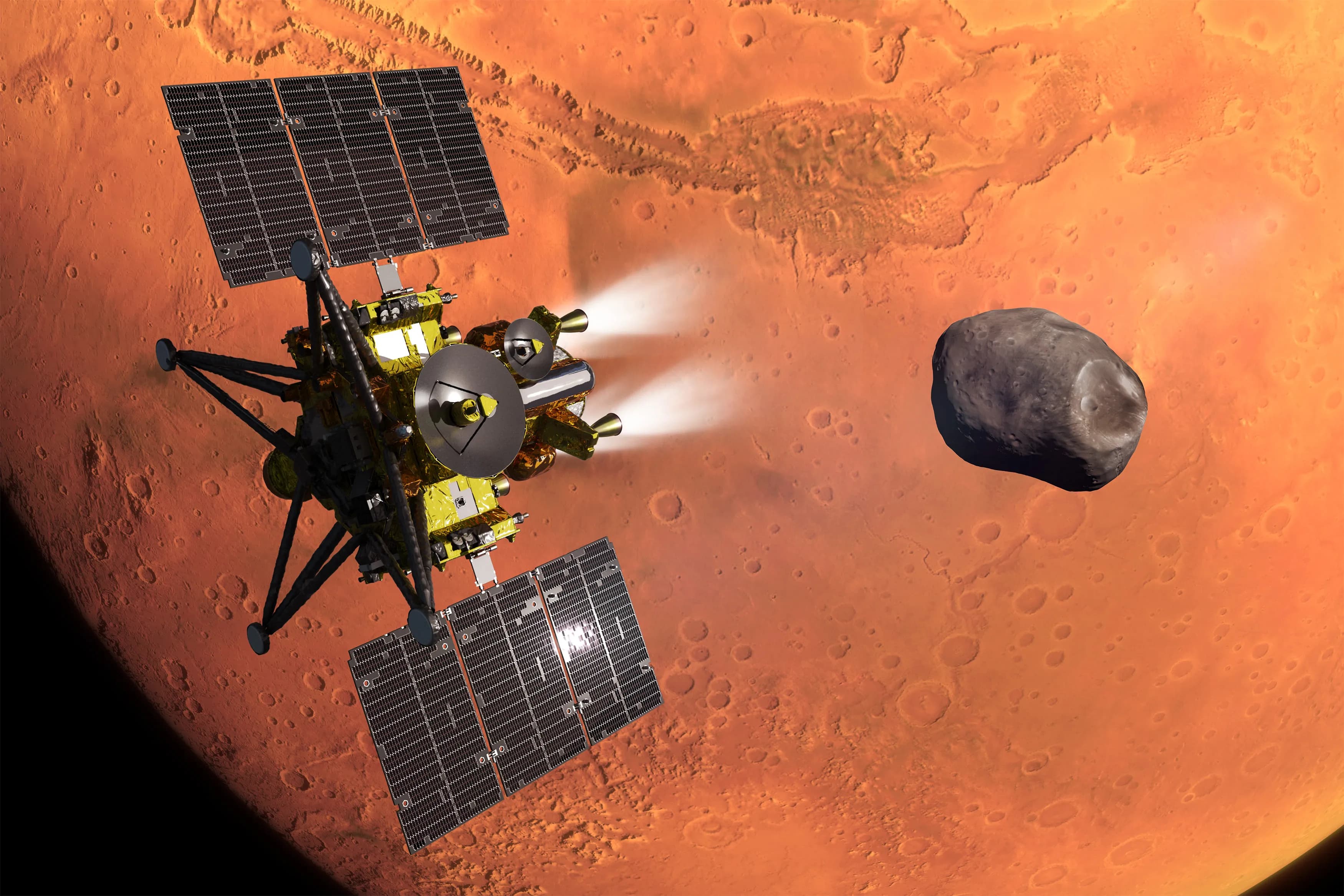
Japan's MMX Mission Successfully Launched to Sample Martian Moon Phobos
Japan's Martian Moons eXploration (MMX) mission launched on October 19, 2026, aiming to collect samples from Phobos and return them to Earth by 2031. This mission is propelled by advancements from previous JAXA missions and international collaboration, addressing key scientific questions about the origins of Mars' moons. The long-term implication includes potential insights into solar system formation and resources for future space exploration endeavors.
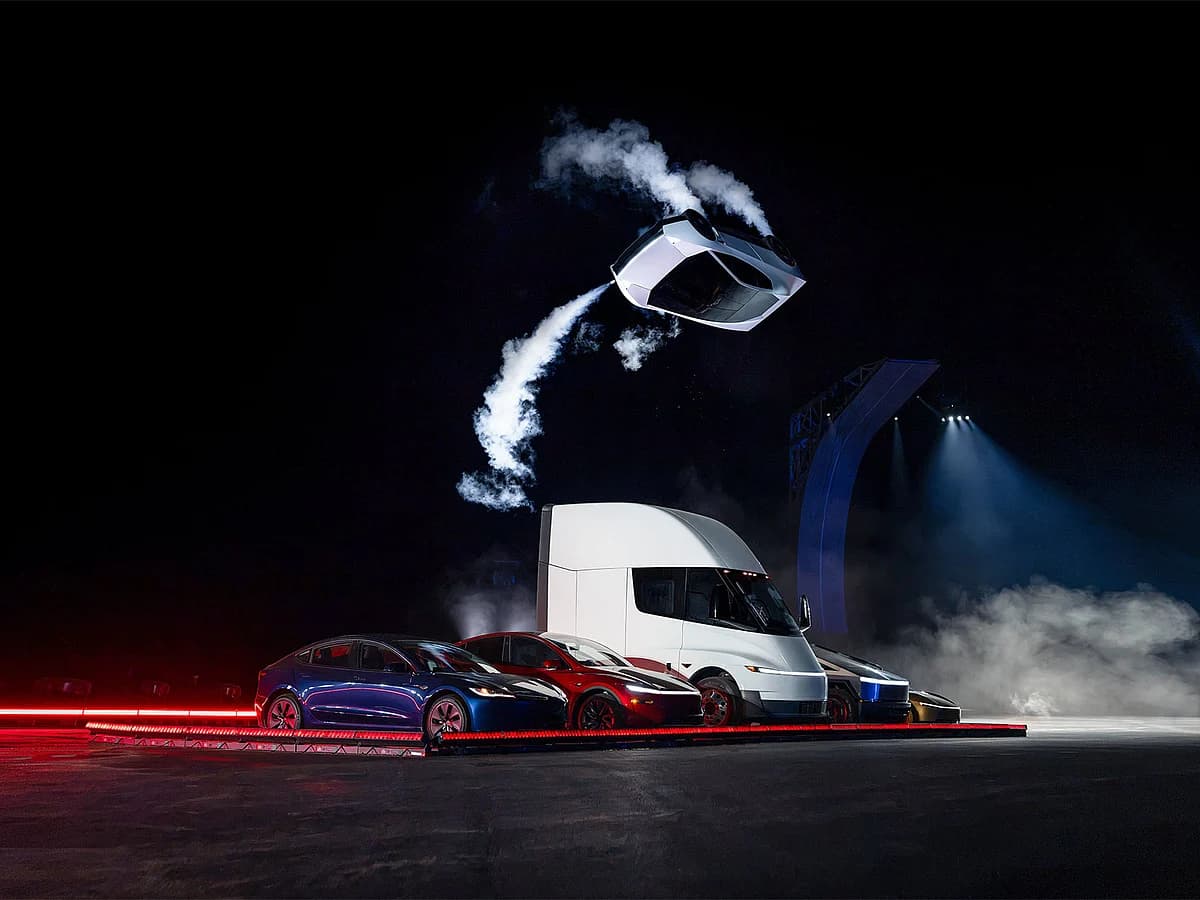
Tesla Roadster Prototype Showcases Advanced Driving and Aerial Capabilities at McGregor Event
On October 15, 2026, Tesla demonstrated its second-generation Roadster prototype at SpaceX's McGregor facility, featuring innovative inverted driving and aerial maneuvers. This event was triggered by Tesla's strategic pivot towards showcasing advanced engineering capabilities developed in collaboration with SpaceX, following years of delays since the initial concept reveal in 2017. The long-term implication is that this prototype positions Tesla as a leader in high-performance automotive technology, potentially influencing future vehicle designs and market perceptions of electric vehicles.
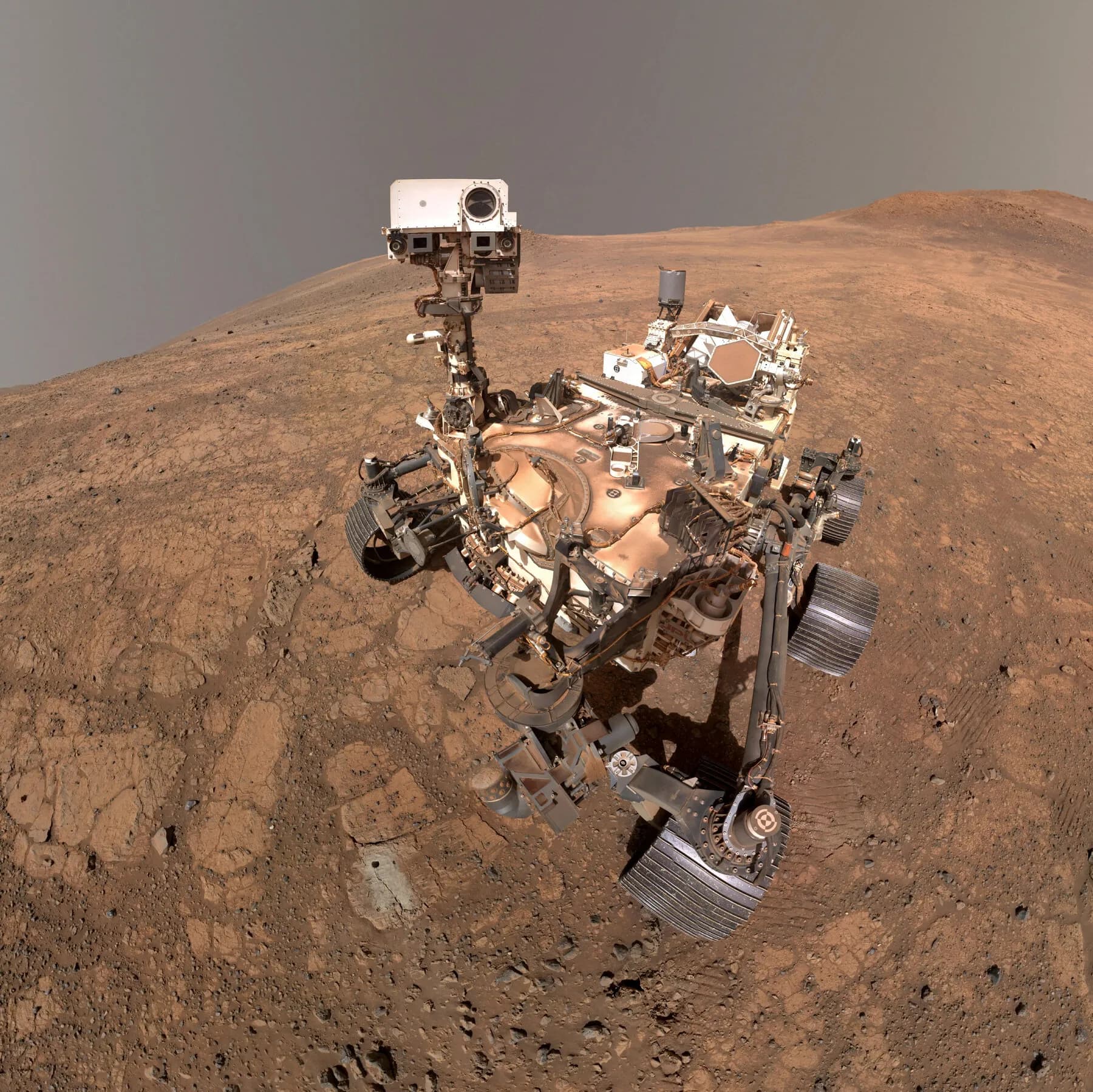
Perseverance Rover Sets New Off-World Driving Record on Mars
On October 11, 2026, NASA’s Perseverance rover achieved a record distance of 28.10 miles on Mars, surpassing the previous record held by the Opportunity rover. This milestone was made possible by advancements in autonomous navigation technology, allowing Perseverance to cover the distance in significantly less time than its predecessor. The long-term implication is the continued exploration of Mars, potentially leading to discoveries related to ancient microbial life and the planet's geological history.
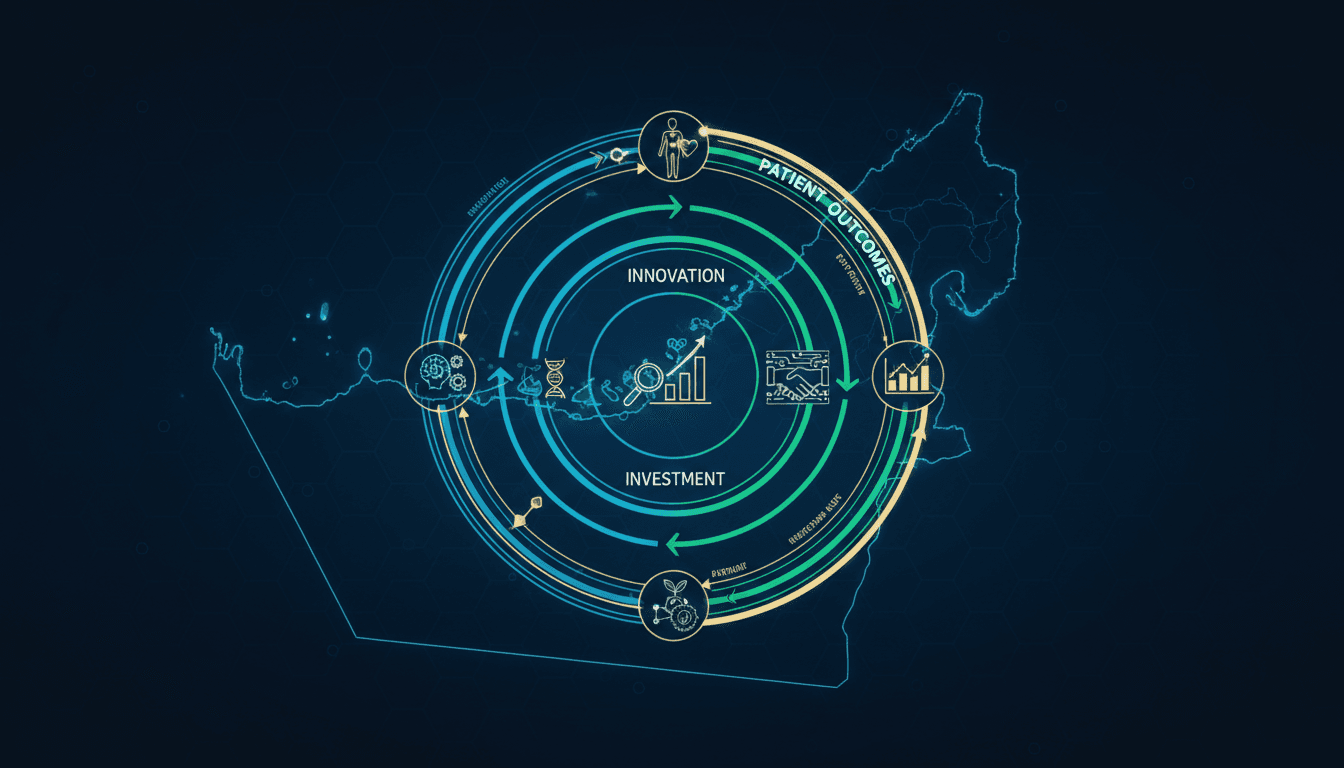
Sheikh Khalid bin Mohammed Highlights Innovation in Healthcare at Abu Dhabi Summit
Sheikh Khalid bin Mohammed bin Zayed Al Nahyan attended the Abu Dhabi Future Health Summit, emphasizing the need for an innovation-supportive environment in healthcare. This focus on fostering collaboration and investment in health technologies is driven by the UAE's strategic initiatives to enhance its position as a global healthcare hub. The long-term implication is a strengthened ecosystem that integrates advanced technologies, potentially transforming healthcare delivery in the region and beyond.
Latest Stories
Sheikh Khalid bin Mohammed Highlights Innovation in Healthcare at Abu Dhabi Summit
Sheikh Khalid bin Mohammed bin Zayed Al Nahyan attended the Abu Dhabi Future Health Summit, emphasizing the need for an innovation-supportive environment in healthcare. This focus on fostering collaboration and investment in health technologies is driven by the UAE's strategic initiatives to enhance its position as a global healthcare hub. The long-term implication is a strengthened ecosystem that integrates advanced technologies, potentially transforming healthcare delivery in the region and beyond.
Japan's MMX Mission Successfully Launched to Sample Martian Moon Phobos
Japan's Martian Moons eXploration (MMX) mission launched on October 19, 2026, aiming to collect samples from Phobos and return them to Earth by 2031. This mission is propelled by advancements from previous JAXA missions and international collaboration, addressing key scientific questions about the origins of Mars' moons. The long-term implication includes potential insights into solar system formation and resources for future space exploration endeavors.
Tesla Roadster Prototype Demonstrates Advanced Aerial Maneuvers and Rapid Acceleration in Texas
On October 15, 2026, Tesla showcased a prototype of its redesigned Roadster capable of inverted driving and mid-air flips at SpaceX's McGregor facility in Texas. This demonstration was triggered by nearly nine years of engineering collaboration between Tesla and SpaceX, highlighting advancements in vehicle technology and performance. The long-term implication is a potential shift in the automotive industry towards more innovative and performance-oriented electric vehicles, with production targeted for 2028.
Google Quantum AI Achieves 40-Fold Error Reduction in Quantum Computing
Google Quantum AI has demonstrated magic state cultivation on its Willow processor, achieving a 40-fold reduction in error rates for T-states. This breakthrough is driven by the need to overcome significant resource bottlenecks in fault-tolerant quantum computing. The long-term implication is a potential acceleration in the development of practical quantum computing applications, impacting fields such as optimization and cryptography.