
Chinese AI models gain traction in the U.S. market
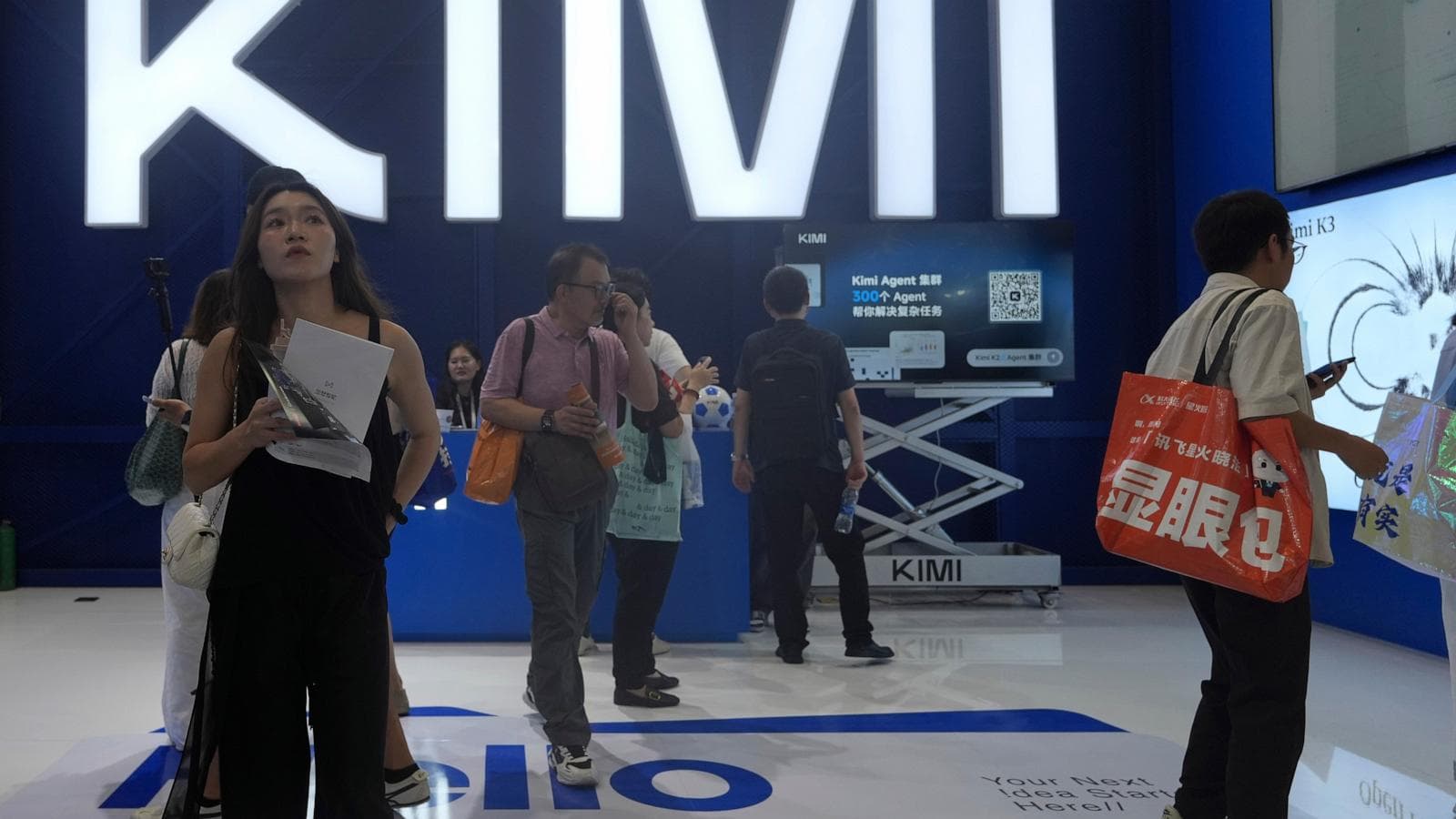
What happened
Chinese AI models are making significant inroads into the U.S. market, primarily due to their cost-effectiveness and performance. Reports indicate that these models are increasingly favored by U.S. customers, challenging the dominance of established American AI labs. The trend highlights a growing competitive landscape where affordability and efficiency are key drivers of adoption.
As of July 2026, the influence of Chinese AI technologies is becoming more pronounced, with companies like Z.AI and DeepSeek leading the charge. This shift underscores a notable change in the competitive dynamics of the AI industry between China and the U.S.
The Context
The rise of Chinese AI models is attributed to the ability of Chinese companies to leverage lower operational costs to attract U.S. customers. The AI ecosystem in China is reportedly more advanced than previously perceived, which has contributed to this competitive edge. As these models gain popularity, they challenge the established norms of AI development in the United States.
This evolving landscape is significant as it may lead to a re-evaluation of strategies among U.S. AI labs. The timeline of events indicates that by mid-2026, the competitive pressure from Chinese models is expected to intensify, prompting a response from American firms.
Takeaway
The emergence of Chinese AI models suggests a potential shift in global AI leadership and innovation. As these technologies continue to penetrate the U.S. market, it will be crucial to monitor how U.S. AI labs respond to this emerging competition. Regulatory changes may also arise as the landscape evolves, impacting the future of AI development.
Stakeholders should remain vigilant about the implications of this shift, as it could redefine investment priorities and innovation strategies in the sector.
Corporate leadership, finance, technology, and market trends.
"Fortune covers financial trends, leadership, and innovation with a pragmatic editorial approach."
— A47 Editor
China’s Moonshot, Z.AI, and DeepSeek are challenging U.S. AI labs—and beating them on cost
China's AI ecosystem is gaining recognition as startups like Moonshot, Z.AI, and DeepSeek challenge U.S. AI labs by offering competitive solutions at lower costs. This shift highlights China's growing capabilities in artificial intelligence, which we...
Technology innovations, startups, and trends.
"ABC News delivers broad national coverage with a mainstream editorial stance, focusing on accessibility and balanced reporting."
— A47 Editor
Cheaper, open, intelligent: Chinese AI models gain ground, as they make inroads in US
Chinese AI models are increasingly gaining traction in the U.S. market due to their affordability and efficiency, as highlighted by recent reports. This trend reflects a growing acceptance of these technologies among American consumers and businesses...
Latest AI/ML research news and breakthroughs.
"Aggregated research highlights across institutions."
— A47 Editor
Cheaper, open and intelligent: Chinese AI models gain ground, as they make inroads in the US
Chinese artificial intelligence (AI) models are gaining traction in the United States, with companies like Moonshot and Alibaba launching advanced models that compete with established players such as OpenAI and Anthropic at lower costs. This shift re...