
Nvidia CEO asserts AI enhances workplace productivity without job loss
Here's what it means for you.
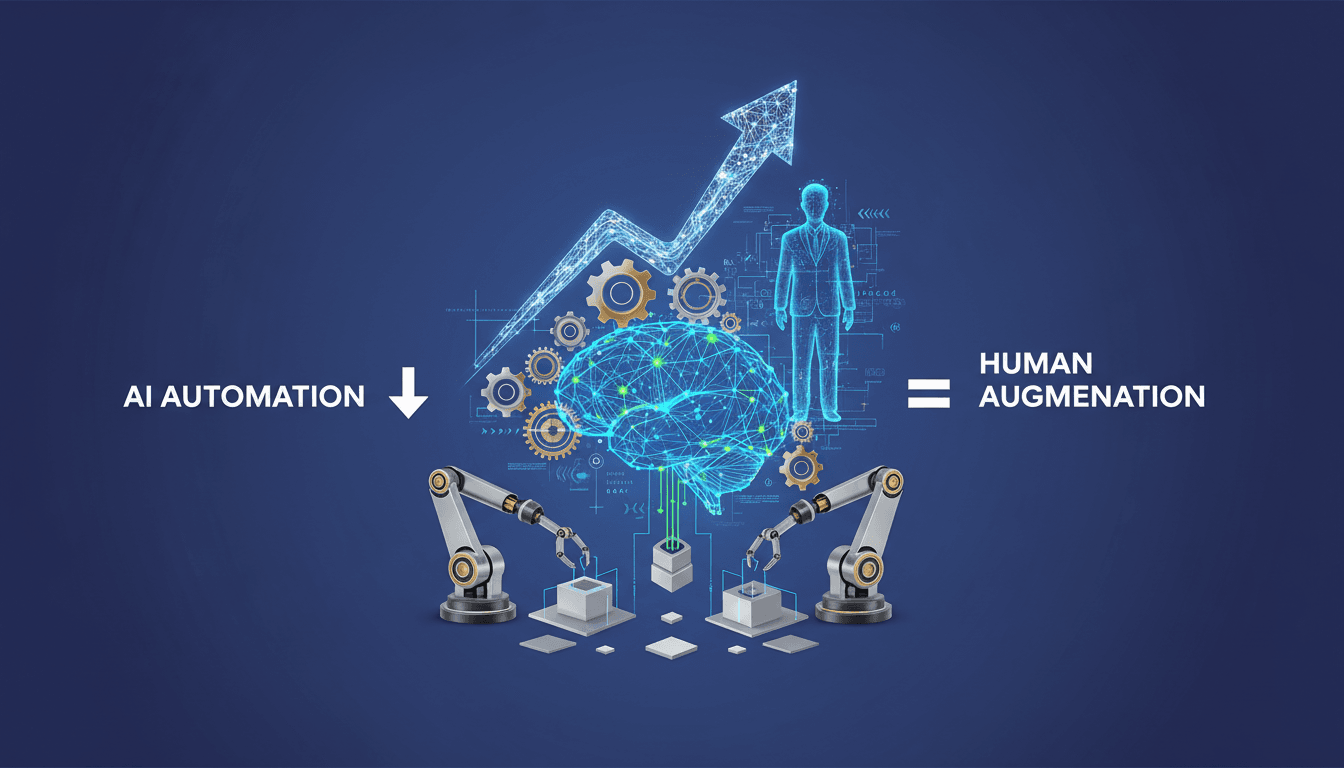
Jensen Huang's assertion that AI automates tasks without eliminating jobs challenges the prevailing narrative surrounding automation and employment. This perspective is particularly relevant as policymakers consider regulations for AI technologies, emphasizing the need for a balanced approach that fosters innovation while ensuring job security. As industries evolve, understanding how AI can complement human roles will be crucial for professionals navigating this changing landscape.
What happened
Nvidia CEO Jensen Huang recently stated that AI automates tasks but does not necessarily lead to job loss. He emphasized that fears of widespread job destruction due to AI are misguided, particularly in fields such as radiology and law. Huang's comments come amid ongoing discussions about AI regulation and its impact on the workforce, highlighting a significant shift in the conversation around automation.
His insights suggest a growing recognition that AI can assist professionals rather than replace them, challenging the dominant narrative of job loss. This perspective is gaining traction as discussions about the future of work and AI technologies continue to evolve.
The Context
Huang's viewpoint is particularly timely as policymakers are actively considering regulations for AI technologies. The narrative surrounding AI's impact on jobs has often focused on potential job destruction, creating anxiety among workers and stakeholders. By highlighting specific industries where AI can enhance productivity, Huang aims to reshape this conversation.
The implications of Huang's comments extend beyond immediate job concerns, suggesting a broader shift in how society views the integration of AI into the workforce. As industries adapt to technological advancements, understanding the role of AI in supporting human professionals will be essential for future workforce strategies.
Takeaway
As AI continues to evolve, the focus should shift towards how it can enhance job functions rather than replace them. The conversation around AI's role in the workforce is likely to evolve, with an increasing emphasis on fostering innovation while ensuring job security. Observers should watch for potential regulatory developments regarding AI technologies and further insights from industry leaders on the future of work in an AI-driven economy.
This ongoing dialogue will be crucial as society navigates the implications of AI technology and its integration into various sectors.
Corporate leadership, finance, technology, and market trends.
"Fortune covers financial trends, leadership, and innovation with a pragmatic editorial approach."
— A47 Editor
Nvidia’s Jensen Huang says AI is killing tasks not jobs—and the white-collar bloodbath narrative gets the future of work ‘exactly backwards’
Jensen Huang, CEO of Nvidia, stated that artificial intelligence (AI) is automating tasks rather than eliminating jobs, countering the narrative of a white-collar bloodbath in the future workforce. He emphasized that while AI may change how work is d...
Business and tech news excluding paywalled content.
"High-volume business/tech outlet with frequent AI coverage."
— A47 Editor
Jensen Huang says that AI job destruction doomers are 'exactly backward'
Nvidia CEO Jensen Huang stated that fears surrounding AI job destruction are misplaced, asserting that while AI can automate certain tasks, it will not eliminate jobs in fields such as radiology and law.
Stock market news, investing ideas, and trading analysis.
"TheStreet provides market news and retail-investor-focused analysis."
— A47 Editor
Jensen Huang has strong words for Washington on AI
Jensen Huang, CEO of Nvidia, has recently voiced strong concerns regarding the regulatory landscape for artificial intelligence (AI) in Washington, emphasizing the need for clarity and cooperation in the industry. He highlighted the importance of avo...