
FCC bans foreign humanoid robots and connected devices citing security concerns
What happened
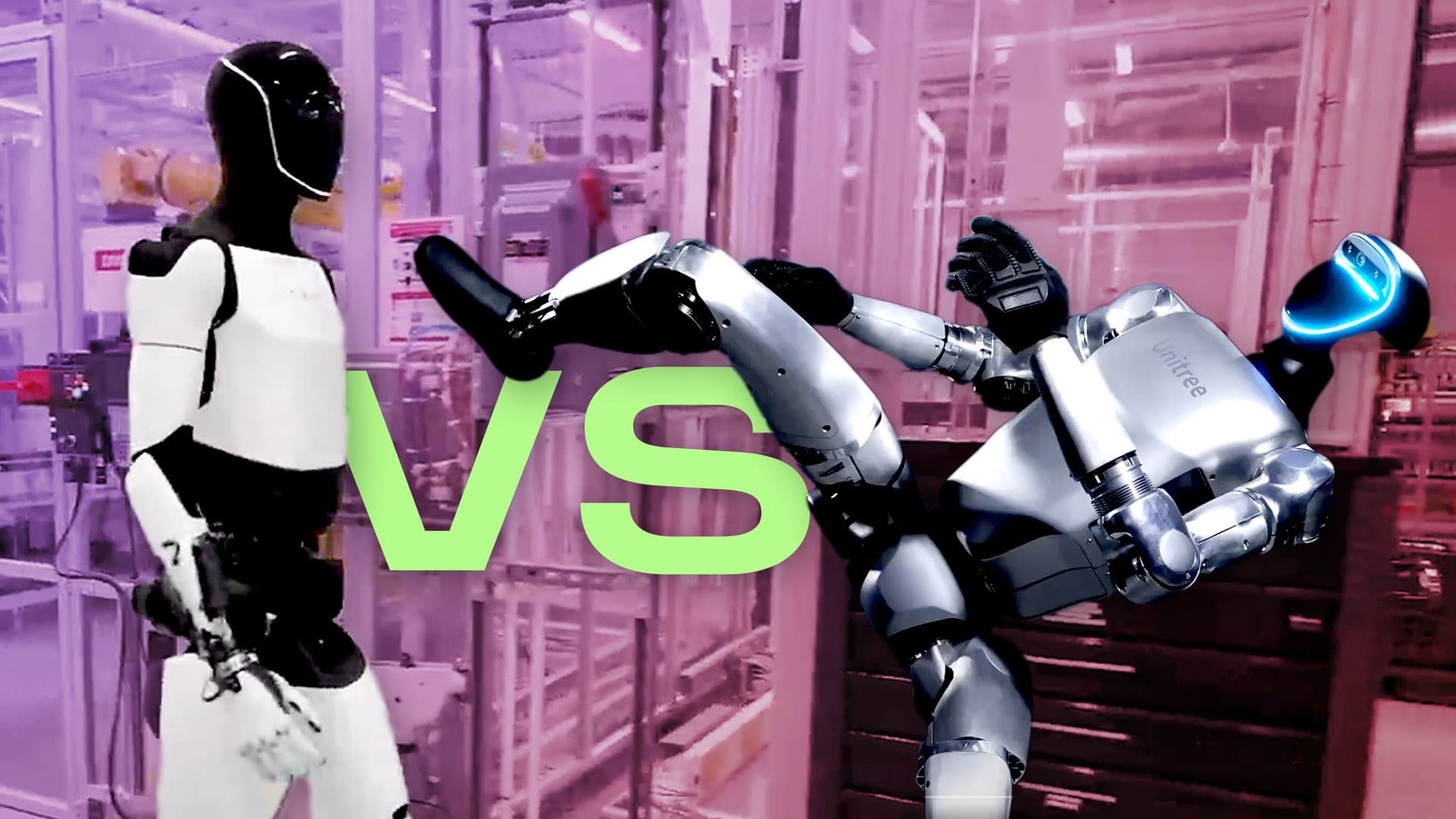
The U.S. Federal Communications Commission has officially added foreign-produced humanoid robots to its Covered List, effectively blocking new models from receiving authorization in the United States. This decision also encompasses connected power inverters, further tightening the regulatory grip on foreign technology. The ban has taken many brands by surprise, particularly those producing popular robotic devices like vacuums and lawn mowers.
As a result of this action, the FCC aims to address escalating security concerns that have emerged in recent years. The decision reflects a broader trend of increasing scrutiny on foreign technology, especially from nations perceived as security threats.
The Context
The FCC's ban is part of a larger strategy to secure the U.S. technological landscape against potential risks posed by foreign entities. This move has sparked debate regarding its necessity and the potential backlash from affected countries, particularly China. The timing of the ban coincides with heightened geopolitical tensions, making it a critical moment for international relations in the tech sector.
As companies grapple with the implications of this ban, the robotics market may face significant challenges. The decision could lead to a shift in competitive dynamics, as firms adapt to new regulations and seek alternative strategies to maintain their market positions.
Takeaway
Looking ahead, the U.S. ban on foreign humanoid robots may escalate tensions with China, prompting potential retaliatory measures. Observers should monitor how affected companies respond to these regulations and whether they can pivot effectively in this new landscape. The evolving geopolitical context will likely influence future policies and market dynamics, making it essential for stakeholders to stay informed.
As the robotics industry adapts to these changes, the long-term effects on innovation and competition will become clearer. Companies will need to navigate this complex environment carefully to ensure their continued success.
Latest tech news, product reviews, and analysis for consumers and professionals.
"CNET delivers accessible and detailed technology reporting, including trusted product reviews and how-to guides."
— A47 Editor
The US Threw the First Punch in the Global Robot Wars. How Will China Respond?
The U.S. government has enacted a ban on humanoid robots from China, citing 'unacceptable risks' to national security, a decision confirmed by the Federal Communications Commission (FCC). This move aligns with the Trump administration's broader strat...
Technology industry news and policy coverage.
"Fox News is a highly influential conservative news outlet known for right-leaning political commentary and coverage."
— A47 Editor
Foreign robot ban targets China over security fears
The Federal Communications Commission (FCC) has added foreign-produced humanoid robots and connected power inverters to its Covered List, effectively banning new models from receiving U.S. authorization. This decision is driven by national security c...
Conservative-leaning coverage of current events.
"Fox News is a highly influential conservative news outlet known for right-leaning political commentary and coverage."
— A47 Editor
Foreign robot ban targets China over security fears
The Federal Communications Commission (FCC) has added foreign-produced humanoid robots and connected power inverters to its Covered List, effectively banning new models from receiving U.S. authorization. This decision is driven by national security c...
Consumer tech news, reviews, and buying guides for gadgets and electronics.
"TechRadar is known for comprehensive buying advice, hardware reviews, and consumer tech news targeted at mainstream audiences."
— A47 Editor
First drones, now robot vacuums — the US government's ban on foreign robots is confirmed to include many of the best robovacs and robot lawn mowers on the market, and brands may have been caught off-guard
The Federal Communications Commission (FCC) has confirmed a ban on foreign-made advanced robotic devices, which includes popular robot vacuums and lawn mowers, citing national security concerns. This decision has taken many brands by surprise, as it ...