
China's CXMT Corp. to Compete in Smartphone Memory Chip Market by 2026
Here's what it means for you.
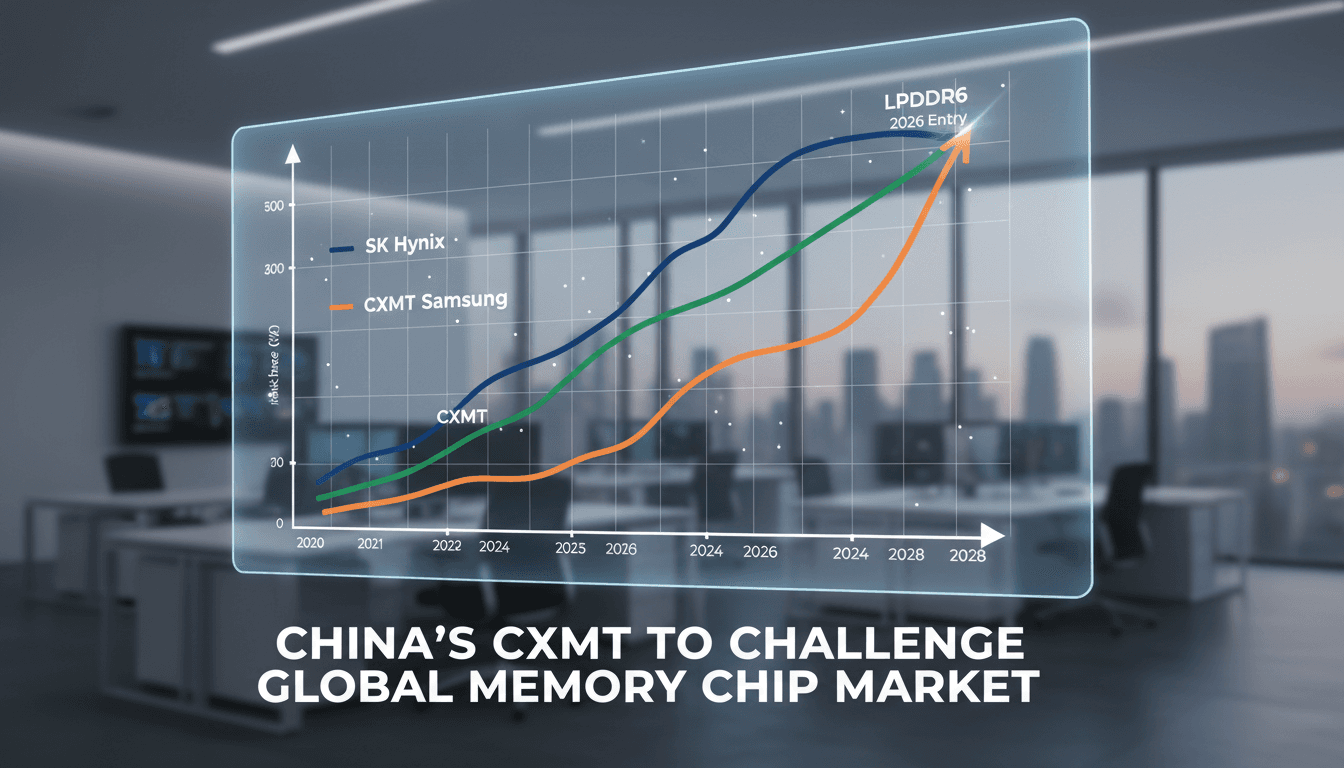
CXMT Corp.'s entry into the smartphone memory chip market signals a significant shift in the competitive landscape dominated by SK Hynix and Samsung. As the company aims to produce LPDDR6 chips by 2026, it highlights China's growing capabilities in semiconductor technology. This development could lead to increased competition, potentially driving innovation and lowering prices for consumers. The implications extend beyond just market dynamics; they may influence global supply chains and technology policies as countries respond to China's advancements in this critical sector.
What happened
CXMT Corp. has announced its plans to manufacture LPDDR6 smartphone memory chips by the end of 2026. This initiative marks a strategic move for the company as it seeks to establish itself in the competitive memory chip market. In addition to its smartphone ambitions, CXMT has begun supplying DRAM chips to major laptop manufacturers, including HP, Asus, and Acer, amid a global memory shortage.
The company's efforts are backed by state support, allowing it to rapidly close the technology gap with industry leaders. This dual focus on both smartphone and laptop memory solutions positions CXMT as a formidable player in the semiconductor industry.
The Context
CXMT's advancements come at a time when the global memory chip market is experiencing significant challenges due to supply shortages. The company's state-backed initiatives are designed to bolster China's position in semiconductor technology, an area where it has been striving to catch up with established competitors. By targeting the production of LPDDR6 chips, CXMT aims to meet the growing demand for advanced memory solutions in smartphones.
The involvement of major laptop manufacturers like HP, Asus, and Acer in utilizing CXMT's DRAM chips underscores the company's immediate impact on the market. As these companies integrate CXMT's products into their offerings, it reflects a shift in sourcing strategies amid ongoing supply constraints.
Takeaway
CXMT's entry into the smartphone memory chip market could reshape the competitive dynamics of the industry in the coming years. As the company ramps up production capabilities, it will be crucial to monitor its impact on established players like SK Hynix and Samsung. The response from these competitors will likely influence market trends and innovation trajectories.
Looking ahead, stakeholders should keep an eye on CXMT's production milestones and the broader implications for global memory chip supply chains. The evolving landscape may prompt further advancements and competitive strategies from both new entrants and established firms.
Curated tech headlines including AI stories.
"Influential aggregator surfacing the day’s top tech/AI links."
— A47 Editor
Sources: China's CXMT is set to manufacture small quantities of LPDDR6 smartphone memory by the end of 2026, as it seeks to compete with SK Hynix and Samsung (Bloomberg)
China's state-backed CXMT Corp. is preparing to manufacture small quantities of LPDDR6 smartphone memory chips by the end of 2026, aiming to compete with industry leaders SK Hynix and Samsung. This move signifies a significant step in enhancing China...
Technology business and AI-related headlines.
"Data-driven tech newsroom with global scope."
— A47 Editor
CXMT Narrows Gap With SK Hynix and Samsung in Smartphone Memory
CXMT Corp., a state-backed Chinese company, is set to produce smartphone memory chips that rival the advanced designs of industry leaders SK Hynix and Samsung, marking a significant advancement in China's semiconductor capabilities.
Technology business news, market impacts, and innovation trends.
"Bloomberg is a premier financial and tech news provider, respected for its in-depth reporting and analytical rigor."
— A47 Editor
CXMT Narrows Gap With SK Hynix and Samsung in Smartphone Memory
CXMT Corp., a state-backed Chinese company, is set to produce smartphone memory chips that rival the advanced designs of industry leaders SK Hynix and Samsung, marking a significant advancement in China's semiconductor capabilities.
Curated tech headlines including AI stories.
"Influential aggregator surfacing the day’s top tech/AI links."
— A47 Editor
Sources: HP, Asus, and Acer have started using small amounts of DRAM chips from CXMT in their laptops for non-US markets, amid an unprecedented memory shortage (Nikkei Asia)
Leading PC manufacturers HP, Asus, and Acer have begun incorporating small quantities of DRAM chips from China's ChangXin Memory Technologies (CXMT) into their laptops targeted at non-US markets, amid a significant global memory shortage. This shift ...