
US pauses sanctions on Chinese open-source AI models amid Silicon Valley divisions
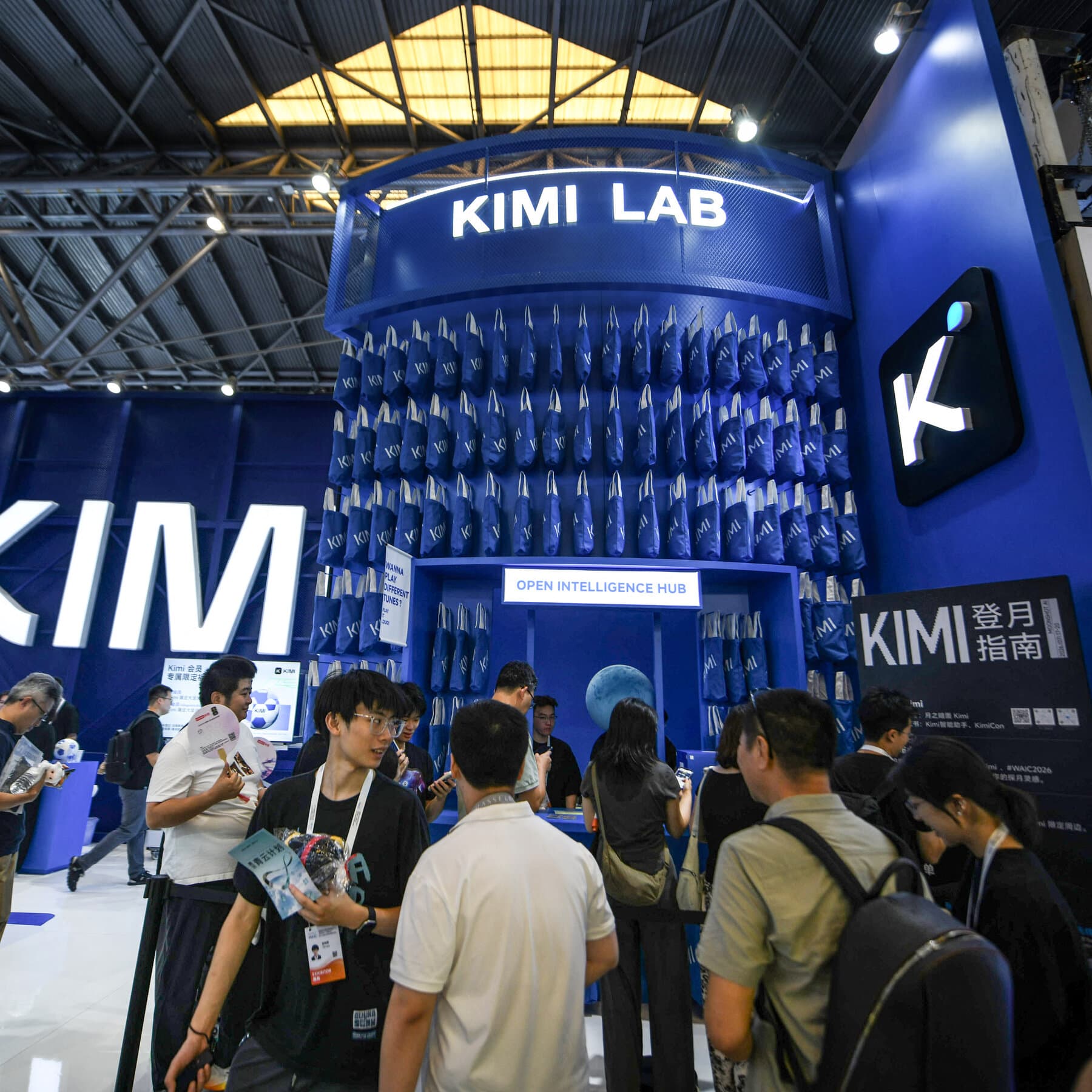
What happened
The U.S. government has delayed potential sanctions on Chinese open-source AI models due to significant pushback from Silicon Valley. Initially, the Trump administration considered imposing restrictions on these models, which have been gaining traction in the market. However, the internal conflict among tech companies has led to a pause in the decision-making process.
Companies like OpenAI and Anthropic have advocated for restrictions, while others, including Nvidia, Google, and Meta, have opposed such measures. This division has prompted the White House to focus on promoting U.S. AI competitiveness instead of implementing bans on Chinese models.
The Context
The rise of Chinese open-source AI models, such as Kimi, has complicated U.S.-China tech relations. As these models gain popularity, the debate over how to regulate them intensifies within Silicon Valley. The timing is critical, with a decision on potential bans expected before Xi Jinping's visit in September, which adds urgency to the discussions.
The ongoing rift among tech companies illustrates the broader implications of AI regulation on innovation and national security. As the U.S. grapples with its approach, the balance between fostering domestic advancements and addressing security concerns remains a pivotal issue.
Takeaway
Looking ahead, the outcome of the discussions surrounding AI regulation will be crucial in shaping the future of U.S.-China tech competition. Stakeholders should monitor developments closely, particularly as the September deadline approaches. The U.S. government's regulatory stance will likely influence both domestic innovation and international relations in the tech sector.
As the debate continues, the focus will remain on how to effectively navigate the complexities of AI regulation while enhancing U.S. competitiveness. The decisions made in the coming weeks will have lasting effects on the landscape of AI technology.
Tech industry coverage with AI angles.
"Mainstream tech news intersecting with AI policy and culture."
— A47 Editor
White House Whipsaws Silicon Valley (and Itself) Over A.I. Rules
The Trump administration is grappling with the implications of open-source artificial intelligence models, particularly focusing on China's Moonshot AI and its Kimi K3 model, which is freely available and poses a competitive threat to U.S. technology...
Tech policy, trends, and innovation news.
"The New York Times is a globally recognized newspaper offering authoritative reporting with a center-left editorial stance."
— A47 Editor
White House Whipsaws Silicon Valley (and Itself) Over A.I. Rules
The Trump administration is grappling with the implications of open-source artificial intelligence models, particularly focusing on China's Moonshot AI and its Kimi K3 model, which is freely available and poses a competitive threat to U.S. technology...
Daily AI news: models, tools, and policy.
"Independent outlet tracking the fast pace of AI."
— A47 Editor
Silicon Valley’s rift over open source pushes back contemplated White House bans on Chinese AI
The Trump administration has reconsidered potential sanctions and cloud bans on Chinese open-weight AI models following significant pushback from Silicon Valley, particularly from companies like Nvidia, Google, and Meta, while OpenAI and Anthropic ad...
Curated tech headlines including AI stories.
"Influential aggregator surfacing the day’s top tech/AI links."
— A47 Editor
Sources: the US is focused on promoting US AI models to be more competitive, after officials considered taking a more interventionist approach to open source AI (New York Times)
The Trump administration is currently prioritizing the promotion of U.S. artificial intelligence (AI) models to enhance competitiveness, following discussions about a more interventionist stance on open-source AI. This shift comes amid growing concer...