
Investors Warn of Potential Instability in AI Market Due to Concentration Risks
What happened
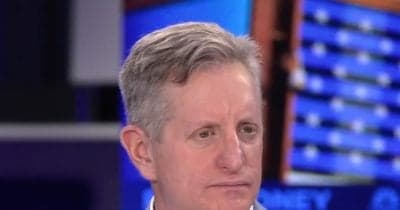
Steve Eisman and Michael Burry have voiced their skepticism about the current AI boom, particularly its dependence on a limited number of companies. They warn that this concentration could lead to market instability if cheaper alternatives emerge. Their concerns echo historical market bubbles, suggesting that the prevailing enthusiasm for AI technologies may be misplaced.
On August 13, 2026, Eisman specifically cautioned against the risks associated with the reliance on OpenAI and Anthropic. The following day, Burry drew parallels between the current AI optimism and sentiments observed before the dot-com and housing bubbles. Both investors emphasize the importance of exercising caution in the rapidly evolving AI market.
The Context
The AI market has experienced significant growth, driven by advancements in technology and increasing interest from investors. However, the heavy reliance on just two companies raises questions about the long-term sustainability of this growth. Eisman and Burry's warnings serve as a reminder of the potential pitfalls associated with concentrated market dynamics.
Eisman, known for his successful bet against the U.S. housing market, and Burry, who gained fame for predicting the 2008 financial crisis, are both seasoned investors. Their insights underscore the need for a more cautious approach as the AI sector continues to develop. As new competitors emerge, the landscape may shift, impacting the viability of established players.
Takeaway
Investors should remain alert to the potential risks tied to the concentrated nature of the AI market. Monitoring developments in AI technology and the emergence of new competitors will be crucial in assessing the sustainability of the sector's growth. Shifts in investor sentiment regarding AI companies could also signal changes in market dynamics.
As the situation unfolds, stakeholders must evaluate the implications of these warnings and consider how they might affect their investment strategies. The evolving landscape of AI presents both opportunities and challenges that require careful navigation.
Stock market news, investing ideas, and trading analysis.
"TheStreet provides market news and retail-investor-focused analysis."
— A47 Editor
‘Big Short’ investor warns AI boom has quiet weak spot
Steve Eisman, known for his bearish stance on the housing market, has raised concerns about the artificial intelligence (AI) boom, suggesting that a significant portion of the market's growth may be overly reliant on just two companies. He warns that...
Business and tech news excluding paywalled content.
"High-volume business/tech outlet with frequent AI coverage."
— A47 Editor
'Big Short' Michael Burry says the bulletproof AI narrative reminds him of the dot-com and housing bubbles
Michael Burry, the investor known for his role in 'The Big Short', expressed concerns that the current enthusiasm surrounding artificial intelligence (AI) mirrors the overly optimistic sentiments preceding the dot-com and housing market crashes. He h...
Research, news, and analysis on blockchain startups, DeFi, and regulations.
"Crypto Briefing provides research, news, and analysis on blockchain startups, DeFi, and crypto regulations with investor-focused coverage."
— A47 Editor
Steve Eisman warns AI boom relies heavily on OpenAI and Anthropic
Steve Eisman has raised concerns regarding the AI boom's heavy reliance on OpenAI and Anthropic, suggesting that this dependence could destabilize growth within Big Tech if more affordable alternatives emerge.