
Nikon Disqualifies Contest Winner for Violating AI Rules
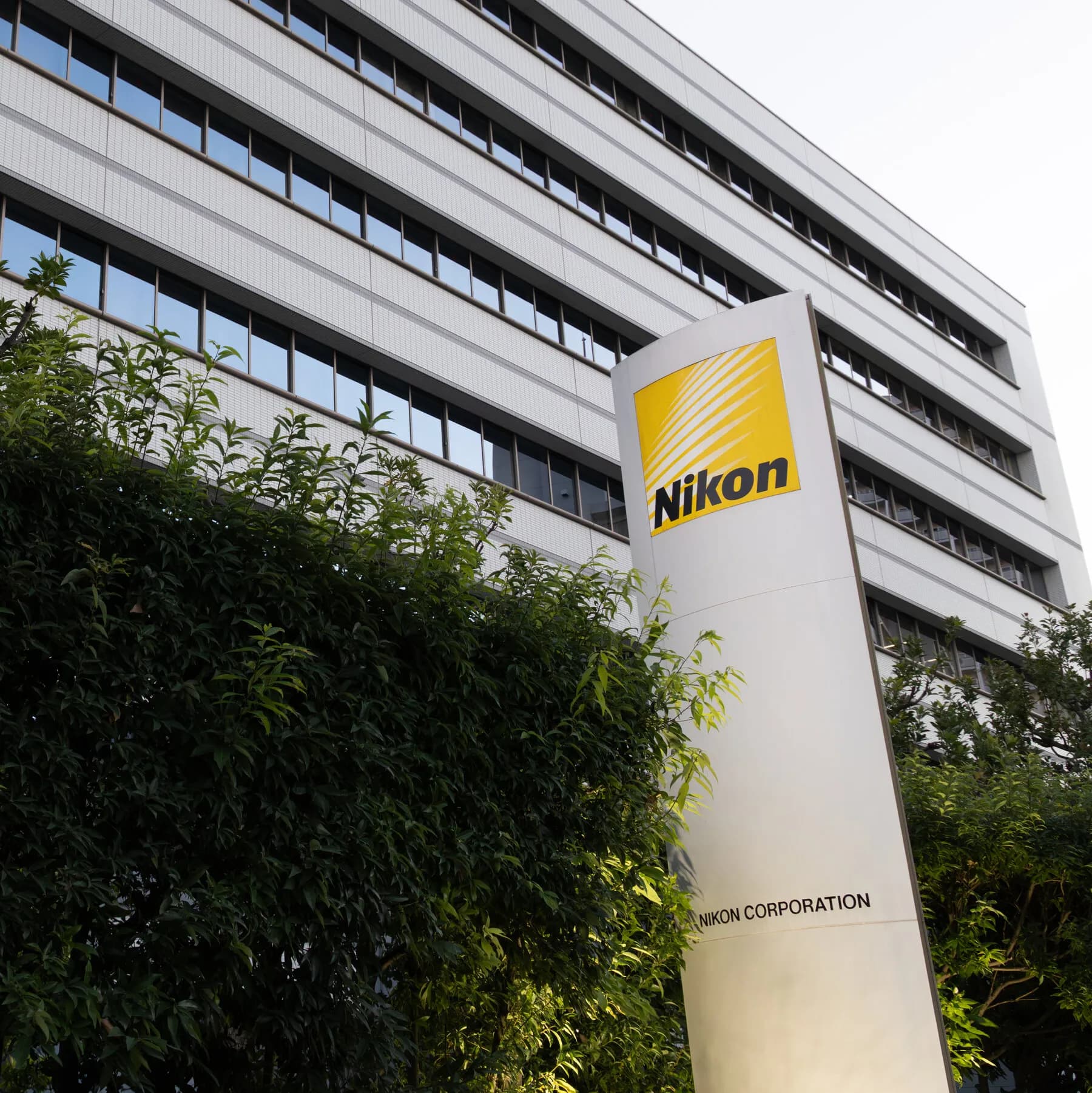
The disqualification of a prominent scientific video entry highlights the growing scrutiny on AI's role in research and its implications for authenticity in scientific communication.
Why it matters
This incident underscores the critical need for transparency and integrity in scientific competitions, particularly as AI tools become more prevalent.
What happened (in 30 seconds)
- Nikon disqualified Dr. Ning Xu's first-place video entry from the Small World in Motion contest due to violations of rules against generative AI use.
- Public scrutiny arose after scientists identified anomalies in the video, prompting Nikon to review the entry.
- Nguyen Nam Nhat was named the new winner following the disqualification, with Nikon committing to revising its evaluation procedures.
The context you actually need
- Established in 2011, the Small World in Motion contest promotes public engagement with microscopic imagery, building on a legacy that began with a photo contest in 1975.
- Explicit rules prohibit generative AI videos while allowing certain post-processing, reflecting a growing concern over authenticity in scientific submissions.
- The rise of AI tools in scientific imaging has led to increased scrutiny and debate about the integrity of visual data across various research fields.
What's really happening
The disqualification of Dr. Ning Xu's video from Nikon's Small World in Motion contest reveals a significant tension between innovation in scientific imaging and the preservation of authenticity in research. The contest, which has been a platform for showcasing microscopic footage since 2011, has explicit rules that bar the use of generative AI, a stipulation that has become increasingly relevant as AI tools become more accessible and sophisticated.
In late September 2026, after the contest results were announced, scientists began to voice concerns about the authenticity of Xu's winning entry, which depicted cilia motion in a patient sample. Critics pointed out biological inconsistencies and potential AI watermarks, leading to a wave of scrutiny on social media platforms like LinkedIn. This scrutiny prompted Nikon to initiate a review of the entry, initially defending it as a compliant enhancement. However, as the review progressed, it became clear that the entry did not adhere to the contest's rules.
On October 9, 2026, Nikon finalized its decision to disqualify Xu's video, adjusting the rankings to name Nguyen Nam Nhat as the new winner. This decision was not just about one entry; it reflects a broader concern within the scientific community regarding the implications of AI in research. The incident has sparked discussions about the need for stricter guidelines and transparency in scientific competitions, particularly as AI continues to evolve and integrate into various fields.
Nikon's commitment to revisiting its evaluation procedures indicates an acknowledgment of the changing landscape of scientific imaging. The company is likely to face pressure from the scientific community to establish clearer standards for AI use in future contests. This incident serves as a reminder that while AI can enhance research capabilities, it also poses challenges to the authenticity and integrity of scientific data.
Who feels it first (and how)
- Researchers and scientists: Increased scrutiny on their submissions may lead to more rigorous standards and expectations.
- Scientific institutions: They may need to adapt their policies regarding AI use in research and competitions.
- AI developers: As the debate over AI's role in science intensifies, developers may face pressure to create tools that ensure compliance with authenticity standards.
What to watch next
- Changes in contest rules: Keep an eye on how Nikon and other organizations revise their guidelines regarding AI use in scientific submissions.
- Emerging standards for AI in research: Watch for the development of industry-wide standards that address the authenticity of AI-generated content in scientific contexts.
- Public perception of AI in science: Monitor how this incident influences public trust in scientific research and the role of AI in it.
Nikon disqualified the winner due to rule violations regarding AI use.
Other scientific competitions may follow suit, tightening their rules on AI-generated content.
The long-term impact on public trust in scientific research and the role of AI remains to be seen.
Frequently Asked Questions
- Why it matters?
- This incident underscores the critical need for transparency and integrity in scientific competitions, particularly as AI tools become more prevalent.
- What happened (in 30 seconds)?
- Nikon disqualified Dr. Ning Xu's first-place video entry from the Small World in Motion contest due to violations of rules against generative AI use. Public scrutiny arose after scientists identified anomalies in the video, prompting Nikon to review the entry. Nguyen Nam Nhat was named the new winner following the disqualification, with Nikon committing to revising its evaluation procedures.
- What's really happening?
- The disqualification of Dr. Ning Xu's video from Nikon's Small World in Motion contest reveals a significant tension between innovation in scientific imaging and the preservation of authenticity in research. The contest, which has been a platform for showcasing microscopic footage since 2011, has explicit rules that bar the use of generative AI, a stipulation that has become increasingly relevant as AI tools become more accessible and sophisticated. In late September 2026, after the contest res
- Who feels it first (and how)?
- Researchers and scientists: Increased scrutiny on their submissions may lead to more rigorous standards and expectations. Scientific institutions: They may need to adapt their policies regarding AI use in research and competitions. AI developers: As the debate over AI's role in science intensifies, developers may face pressure to create tools that ensure compliance with authenticity standards.
- What to watch next?
- Changes in contest rules: Keep an eye on how Nikon and other organizations revise their guidelines regarding AI use in scientific submissions. Emerging standards for AI in research: Watch for the development of industry-wide standards that address the authenticity of AI-generated content in scientific contexts. Public perception of AI in science: Monitor how this incident influences public trust in scientific research and the role of AI in it.
Markets, economy, and company analysis from NYT’s business desk.
"The New York Times is a globally recognized newspaper offering authoritative reporting with a center-left editorial stance."
— A47 Editor
Big Controversy Upends a Contest About Microscopic Videos
Nikon has disqualified the winner of its Small World in Motion competition due to concerns over the use of artificial intelligence in the winning submission. This annual contest celebrates the best microscopic video footage, and the decision has spar...
Scientific research, space, environment, and health coverage.
"The New York Times is a globally recognized newspaper offering authoritative reporting with a center-left editorial stance."
— A47 Editor
Big Controversy Upends a Contest About Microscopic Videos
Nikon has disqualified the winner of its Small World in Motion competition due to concerns over the use of artificial intelligence in the winning submission. This annual contest celebrates the best microscopic video footage, and the decision has spar...
In-depth coverage of hardware, software, science, and policy.
"Ars Technica provides expert technology news, hardware reviews, and analysis for a technically savvy audience."
— A47 Editor
AI disqualification yields new Nikon Small World in Motion winner
Nguyen Nam Nhat of Vietnam has been announced as the new winner of the Nikon Small World in Motion competition, following the disqualification of the previous winner due to the use of generative AI in their submission. Nhat's winning video features a...
In-depth reporting on tech, policy, and science including AI.
"Respected analysis for technically savvy readers, including AI topics."
— A47 Editor
AI disqualification yields new Nikon Small World in Motion winner
Nguyen Nam Nhat of Vietnam has been announced as the new winner of the Nikon Small World in Motion competition, following the disqualification of the previous winner due to the use of generative AI in their submission. Nhat's winning video features a...
Tech news, reviews, and analysis of consumer electronics, science, art, and culture.
"The Verge is a technology-focused media outlet known for in-depth reporting, product reviews, and coverage of the intersection between technology and culture."
— A47 Editor
Nikon microscopic video competition winner disqualified for using generative AI
Nikon disqualified the winning video of its Small World in Motion contest after determining it did not comply with competition rules regarding the use of generative AI. The video, created by Dr. Ning Xu, was initially celebrated for showcasing cilia ...
Consumer tech and culture with frequent AI coverage.
"Influential tech outlet covering AI products and policy."
— A47 Editor
Nikon microscopic video competition winner disqualified for using generative AI
Nikon disqualified the winning video of its Small World in Motion contest after determining it did not comply with competition rules regarding the use of generative AI. The video, created by Dr. Ning Xu, was initially celebrated for showcasing cilia ...
Reports on climate change, environmental science, sustainability, and nature.
"BBC News is widely regarded as a reputable international news organization, known for its impartial tone and public service mandate."
— A47 Editor
Prize-winning image which sparked backlash was AI-generated, Nikon rules
Nikon has announced that the prize-winning image which sparked significant backlash in its Small World in Motion contest was generated using artificial intelligence. This revelation has led the company to re-evaluate the rules and procedures governin...