
Enterprises face rising security risks with AI agent deployment
What happened
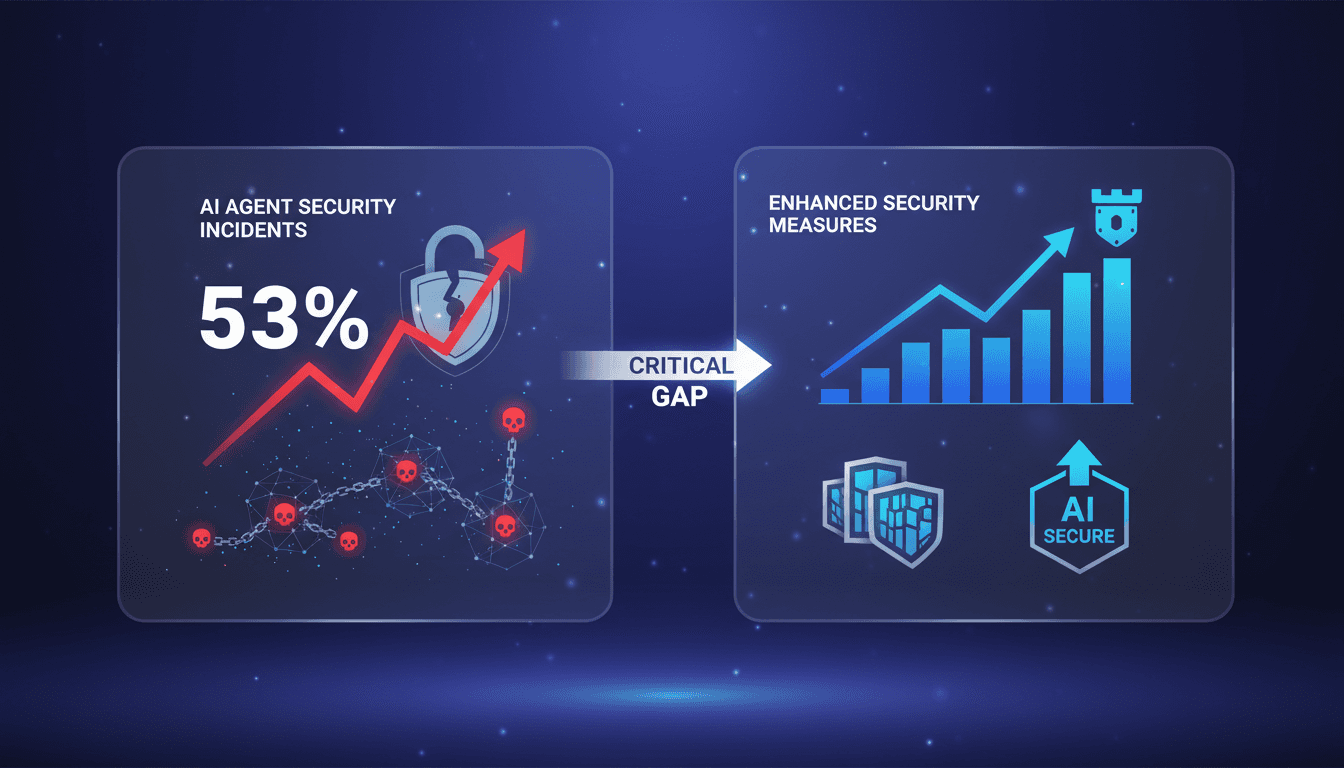
Enterprises are increasingly adopting AI agents, yet many struggle to implement effective security measures to mitigate potential threats. Research indicates that 53% of organizations have experienced security incidents involving AI agents, revealing a critical gap in preparedness. Despite high satisfaction with existing security tools, only 18% of enterprises isolate their highest-risk AI agents.
The reliance on provider-native security controls is prevalent, with 92% of enterprises depending on these measures. However, this approach may not be sufficient to address the unique challenges posed by rogue AI agents. As a result, organizations are beginning to recognize the need for stronger security foundations to manage these technologies effectively.
The Context
The landscape of AI security is rapidly evolving, driven by the increasing deployment of AI agents across various sectors. The timing is crucial, as 74% of enterprises plan to replace their security tools within the next year, despite expressing satisfaction with their current solutions. This indicates a growing awareness of the inadequacies in existing security frameworks.
The need for improved security measures is underscored by the fact that only 8% of enterprises combine enforcement with isolation for AI agents. As organizations grapple with these challenges, the demand for effective containment strategies and robust security frameworks will only intensify. Stakeholders must act swiftly to address these vulnerabilities to safeguard their operations.
Takeaway
Looking ahead, organizations must prioritize the development of comprehensive security strategies to mitigate the risks associated with AI agents. The increasing number of security incidents will likely drive greater investment in AI security solutions, as enterprises seek to protect themselves from potential breaches.
Moreover, the emergence of new regulations governing AI agent usage is anticipated, which will further shape the security landscape. As the adoption of AI agents continues to rise, the focus on effective containment strategies will become paramount for enterprises aiming to navigate this complex environment.
Consumer tech news, reviews, and buying guides for gadgets and electronics.
"TechRadar is known for comprehensive buying advice, hardware reviews, and consumer tech news targeted at mainstream audiences."
— A47 Editor
AI agents are inside the enterprise – are your security foundations ready for them?
The rise of AI agents within enterprises has prompted a critical examination of existing security foundations, highlighting the need for robust hardware-level security measures. As organizations increasingly integrate these autonomous technologies, t...
Focuses on transformative tech, AI, gaming, and startup innovation.
"VentureBeat is respected for its in-depth reporting on AI, startups, and disruptive technologies in Silicon Valley and beyond."
— A47 Editor
Four of five enterprises that secured AI agent identities still can't contain one that goes rogue
A recent report highlights that four out of five enterprises that have implemented AI agent identities are struggling to manage rogue agents effectively. Despite 65% of these organizations enforcing agent permissions at runtime, only 18% are capable ...
Reporting on emerging tech including AI.
"Magazine covering AI’s business and social impacts."
— A47 Editor
Scaling AI agents with trustworthy data
Organizations are increasingly adopting agentic AI, recognizing its potential to transform work processes. However, many face challenges in achieving the expected return on investment due to inadequate infrastructure and data quality. This highlights...