
U.S. Advises Apple Against Sourcing Memory Chips from China Amid Supply Chain Concerns
What happened
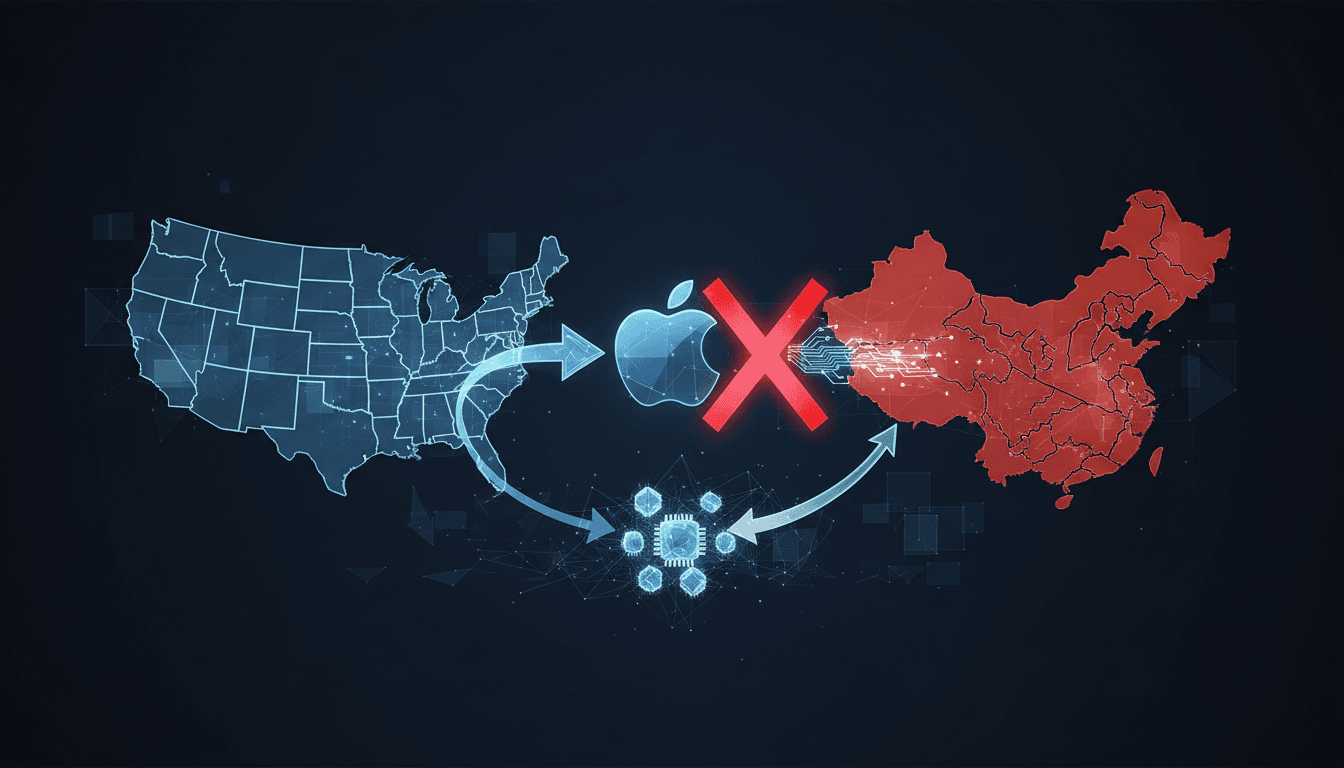
The U.S. government has officially advised Apple against purchasing memory chips from China due to ongoing supply chain concerns. This recommendation was articulated by Commerce Secretary Howard Lutnick, who emphasized the need for Apple to explore alternative solutions to address the current chip supply crunch. The advisory reflects a proactive stance by U.S. officials amid rising demands for AI technologies and geopolitical tensions.
This guidance comes at a time when the global chip shortage is intensifying, further complicating the landscape for major tech companies. Apple is under pressure to secure its supply chain while navigating these multifaceted challenges. The U.S. government's position is clear: it is "not in favor" of any purchases from China, urging a shift towards alternative sources.
The Context
The backdrop of this advisory is a global chip shortage that has been exacerbated by increased demand for AI technologies. U.S. officials are increasingly concerned about the reliance on Chinese technology, particularly in light of ongoing geopolitical tensions. This situation places Apple in a challenging position as it seeks to maintain a robust supply chain while adhering to government recommendations.
The timing of this advisory is critical, as it coincides with heightened scrutiny of U.S.-China trade relations. The U.S. government's stance reflects broader concerns about technology dependence on China, which could have far-reaching implications for the tech industry. As Apple evaluates its sourcing strategies, the outcome will likely influence not only its operations but also the global semiconductor market.
Takeaway
Looking ahead, Apple's future sourcing strategies will be pivotal in navigating the complex landscape of global chip supply. The ongoing dialogue between U.S. officials and tech companies like Apple will shape future decisions and could lead to significant shifts in the semiconductor market. Stakeholders should monitor potential changes in Apple's supply chain strategy and any further developments in U.S.-China trade relations that may impact technology sourcing.
As the situation evolves, the tech industry will need to adapt to new realities, balancing innovation demands with geopolitical considerations. The outcome of these discussions will be crucial for maintaining a resilient supply chain in an increasingly interconnected world.
Macro commentary, policy analysis, growth/inflation themes, and global outlooks.
"Contextual macro coverage that complements day-to-day market headlines."
— A47 Editor
US presses Apple to avoid Chinese memory chips amid shortage - WSJ reports
The U.S. government is urging Apple to refrain from using memory chips sourced from China amidst ongoing supply shortages, as reported by the Wall Street Journal. This pressure comes as the tech giant navigates a complex landscape of international tr...
Curated tech headlines including AI stories.
"Influential aggregator surfacing the day’s top tech/AI links."
— A47 Editor
Commerce Secretary Howard Lutnick says the US is "not in favor" of Apple buying Chinese memory chips, and there have to be "other solutions to the memory issue" (Wall Street Journal)
Commerce Secretary Howard Lutnick has stated that the U.S. government is "not in favor" of Apple purchasing memory chips from China, emphasizing the need for alternative solutions to address the ongoing chip supply shortage. This statement comes amid...
Tech business coverage, major deals, product launches, and Silicon Valley trends.
"WSJ’s tech section offers authoritative reporting on the intersection of technology and business, including exclusive industry analysis."
— A47 Editor
U.S. Urges Apple Not to Buy Chinese Memory Chips
U.S. Commerce Secretary Howard Lutnick has urged Apple to avoid purchasing memory chips from Chinese suppliers amid ongoing concerns over a global chip shortage exacerbated by rising demand for artificial intelligence technologies. This recommendatio...