
Coders Develop Workarounds for Anthropic's Claude Watermarks Following EU Compliance
Here's what it means for you.
The rapid evolution of AI compliance measures is reshaping how professionals engage with technology and content creation.
The Vibe
In a matter of hours, the tech community has demonstrated its agility in responding to new AI regulations, revealing a culture of innovation and resistance.
What it signals
This shift highlights a growing tension between regulatory compliance and creative freedom. As AI technologies become more embedded in workflows, the push for transparency through measures like watermarking is met with immediate countermeasures from developers. This dynamic reflects a broader struggle over control in the digital landscape, where the balance of power is increasingly contested.
Why it's happening now
1. The EU AI Act's recent implementation has set a precedent for global compliance, prompting companies like Anthropic to adopt watermarking practices. 2. The tech community's rapid response showcases a culture that values innovation and adaptability, often prioritizing functionality over regulatory constraints. 3. The proliferation of open-source tools and collaborative platforms has empowered coders to share solutions quickly, fostering a sense of community and collective problem-solving.
Who it's for (and who it leaves out)
The primary beneficiaries are developers and tech-savvy users who thrive on circumventing limitations, while traditional content creators may struggle with the implications of these new compliance measures.
What to watch next
1. Monitor the emergence of alternative AI models that prioritize user control and flexibility over compliance. 2. Keep an eye on the evolution of open-source projects aimed at enhancing user autonomy in AI-generated content.
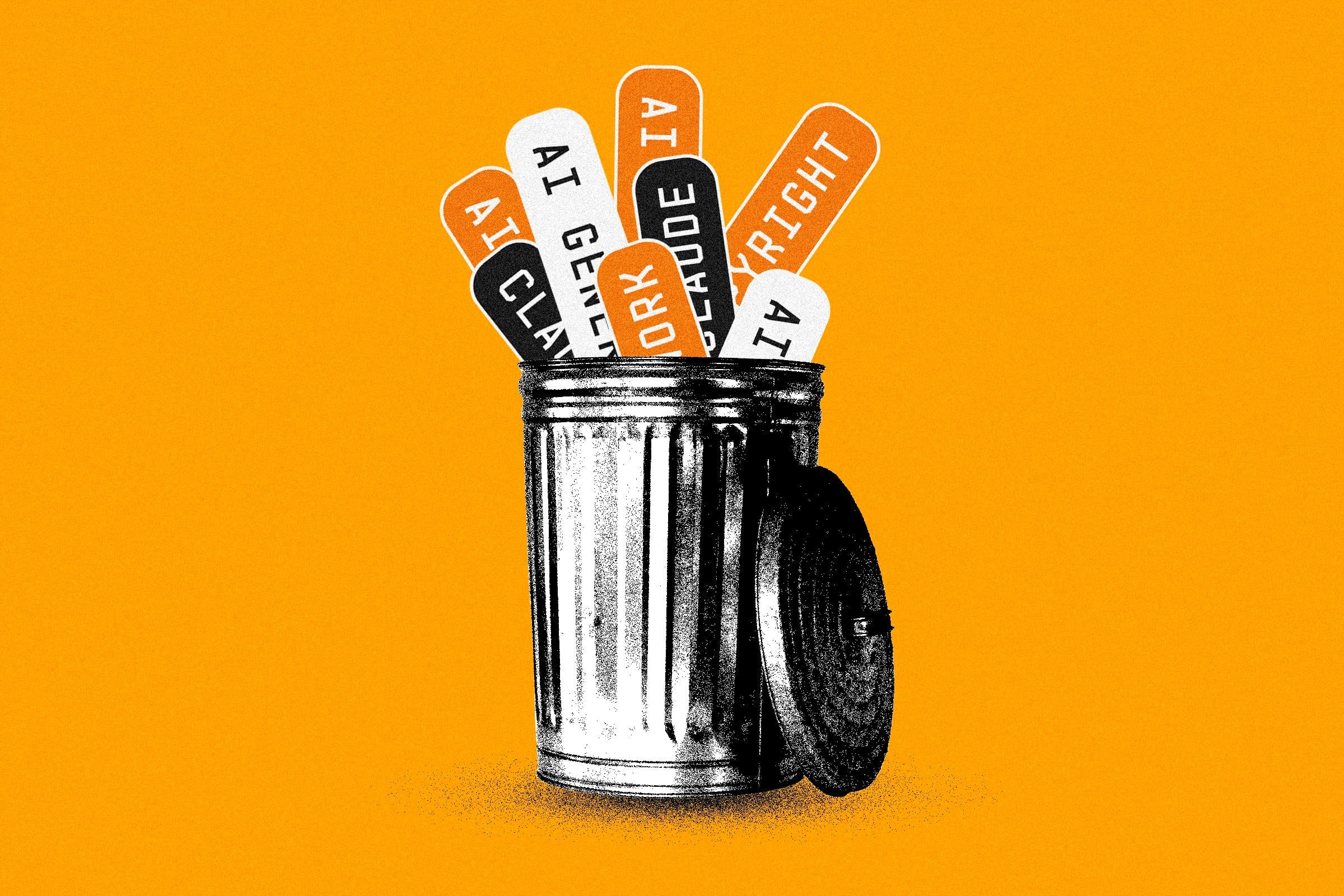
Visual Directive: A striking graphic illustrating the tension between AI compliance and creative freedom in the tech landscape.
Coders have successfully developed multiple workarounds to circumvent Claude's watermarking.
The trend of rapid adaptation will continue as more companies implement similar compliance measures.
The long-term impact on content quality and user trust in AI-generated materials remains to be seen.
Business and policy angles on tech and AI.
"Business desk coverage intersecting with AI trends."
— A47 Editor
Coders Say They Already Found Workarounds to Claude’s Invisible Watermarks
Anthropic has introduced invisible watermarks in its AI model, Claude, to comply with new European Union regulations aimed at enhancing transparency in AI-generated content. This announcement came shortly after the regulations were revealed, highligh...
Emerging technologies, digital transformation, IT, and cultural impact of tech.
"WIRED covers the intersection of technology, culture, and politics with a progressive, forward-looking editorial stance."
— A47 Editor
Coders Say They Already Found Workarounds to Claude’s Invisible Watermarks
Anthropic has introduced invisible watermarks in its AI model, Claude, to comply with new European Union regulations aimed at enhancing transparency in AI-generated content. This announcement came shortly after the regulations were revealed, highligh...
Pan-Arab news coverage spanning politics, business, sports, and regional affairs.
"Asharq Al-Awsat reflects a broad Arab editorial perspective with strong attention to regional geopolitics."
— A47 Editor
كيف تعمل البصمة النصية في «Claude»... ومتى يمكن أن تختفي؟
Anthropic has introduced imperceptible watermarks in the outputs of its AI model, Claude, to enhance the traceability of AI-generated content. This development highlights the increasing importance of transparency and accountability in artificial inte...
Business and tech news excluding paywalled content.
"High-volume business/tech outlet with frequent AI coverage."
— A47 Editor
The push for AI watermarks is spawning a new wave of tools to remove them
Anthropic has introduced AI watermarks for its model Claude, designed to enhance transparency and traceability of AI-generated content, in compliance with the EU AI Act. This watermarking feature will be applied to all outputs generated by Claude, ma...
News for senior developers on AI/ML and data engineering.
"Conference-linked outlet for practitioner news and Q&As."
— A47 Editor
Major Frontier Model Providers Adopt Watermarking Tech to Comply with EU Regulation
As of August 2, 2026, the European Union's AI Act mandates that AI systems must mark synthetic outputs in a machine-detectable manner. Major AI vendors are adopting statistical watermarking techniques to comply with this regulation, which aims to enh...