
Apple Music to Require 'Made With AI' Labels for AI-Generated Tracks Starting 2026
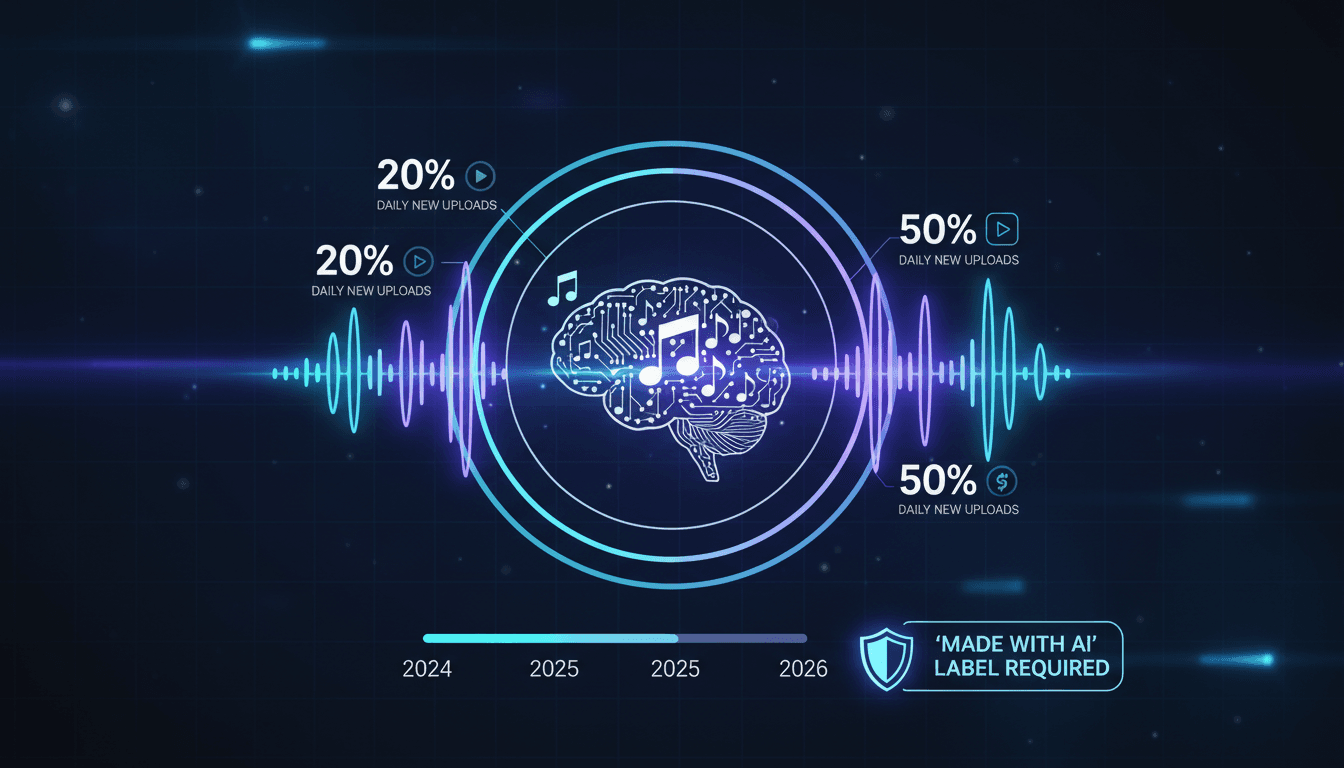
Why it matters
This policy aims to address growing concerns about authenticity and transparency in the music industry as AI-generated content becomes more prevalent.
What happened (in 30 seconds)
- Apple Music announced it will implement visible 'Made With AI' labels for tracks involving generative AI starting later in 2026.
- The policy builds on March 2026's Transparency Tags, which required disclosure of AI use in music and related content.
- Industry stakeholders have largely supported this move, seeking to enhance transparency amid rising AI-generated music uploads.
The context you actually need
- Generative AI tools like Suno and Udio have led to a significant increase in AI-created music, with platforms like Deezer reporting that up to 44% of daily uploads are AI-generated.
- Major record labels have expressed concerns over the integrity of music charts, advocating for measures to distinguish between human and AI-created content.
- Apple Music's previous Transparency Tags were optional and focused on metadata, but the new visible labels will enforce compliance from content providers.
What's really happening
The introduction of 'Made With AI' labels by Apple Music is a strategic response to the rapid evolution of generative AI technologies that have transformed music production. As AI tools become more accessible, the volume of AI-generated music has surged, prompting concerns from industry stakeholders about the authenticity of content on streaming platforms.
In March 2026, Apple Music initiated a Transparency Tags program, allowing record labels and distributors to disclose AI involvement in tracks at their discretion. However, the announcement on August 20, 2026, marked a significant shift towards mandatory labeling, making it clear that transparency is not just a suggestion but a requirement. This move is designed to protect the integrity of music charts and ensure that listeners can make informed choices about the music they consume.
The policy reflects a broader industry trend where major labels are advocating for clearer distinctions between human-created and AI-generated music. With platforms like Deezer reporting that AI tracks account for a staggering 44% of daily uploads, the need for transparency has never been more pressing. By mandating visible labels, Apple Music aims to enhance listener trust and accountability in an increasingly complex music landscape.
This policy also positions Apple Music as a leader in the ongoing conversation about AI's role in creative industries. As other platforms adopt varied approaches—ranging from outright bans to selective embrace of AI tools—Apple's commitment to transparency could set a new standard for the industry. The implications of this policy extend beyond just labeling; it could influence how artists, producers, and labels approach music creation and distribution in the future.
Ultimately, the 'Made With AI' labels will serve as a crucial tool for listeners, allowing them to navigate the evolving music landscape with greater awareness. As AI continues to reshape the creative process, this initiative underscores the importance of maintaining authenticity and integrity in the music industry.
Who feels it first (and how)
- Music listeners: They will gain clearer insights into the origins of the music they consume.
- Record labels: They must adapt to new compliance requirements and potentially rethink marketing strategies.
- Distributors: They will need to implement the labeling system effectively to meet Apple Music's standards.
What to watch next
- Adoption rates: Monitor how quickly record labels and distributors implement the new labeling requirements and how it affects music consumption.
- Listener reactions: Pay attention to audience feedback regarding the transparency of AI-generated music and its impact on their listening habits.
- Industry trends: Watch for other streaming platforms to respond to Apple Music's policy, either by adopting similar measures or taking a different approach.
Apple Music will implement 'Made With AI' labels for generative content by late 2026.
Other streaming platforms may follow suit with their own transparency measures.
The long-term impact on music consumption patterns and artist strategies in response to AI-generated content.
Frequently Asked Questions
- Why it matters?
- This policy aims to address growing concerns about authenticity and transparency in the music industry as AI-generated content becomes more prevalent.
- What happened (in 30 seconds)?
- Apple Music announced it will implement visible 'Made With AI' labels for tracks involving generative AI starting later in 2026. The policy builds on March 2026's Transparency Tags, which required disclosure of AI use in music and related content. Industry stakeholders have largely supported this move, seeking to enhance transparency amid rising AI-generated music uploads.
- What's really happening?
- The introduction of 'Made With AI' labels by Apple Music is a strategic response to the rapid evolution of generative AI technologies that have transformed music production. As AI tools become more accessible, the volume of AI-generated music has surged, prompting concerns from industry stakeholders about the authenticity of content on streaming platforms. In March 2026, Apple Music initiated a Transparency Tags program, allowing record labels and distributors to disclose AI involvement in tra
- Who feels it first (and how)?
- Music listeners: They will gain clearer insights into the origins of the music they consume. Record labels: They must adapt to new compliance requirements and potentially rethink marketing strategies. Distributors: They will need to implement the labeling system effectively to meet Apple Music's standards.
- What to watch next?
- Adoption rates: Monitor how quickly record labels and distributors implement the new labeling requirements and how it affects music consumption. Listener reactions: Pay attention to audience feedback regarding the transparency of AI-generated music and its impact on their listening habits. Industry trends: Watch for other streaming platforms to respond to Apple Music's policy, either by adopting similar measures or taking a different approach.
Consumer technology news with AI coverage.
"Gadget and tech site reporting on AI in products."
— A47 Editor
Apple Music will reportedly label any AI-made tracks later this year
Apple Music is set to introduce a feature later this year that will label tracks created by artificial intelligence, expanding its Transparency Tags initiative aimed at identifying AI-generated content. This move aligns with the growing trend of musi...
Covers consumer technology, electronics, gadgets, and product reviews.
"Engadget is a trusted source for gadget reviews and consumer tech news, known for its hands-on analysis and industry coverage."
— A47 Editor
Apple Music will reportedly label any AI-made tracks later this year
Apple Music is set to introduce a feature later this year that will label tracks created by artificial intelligence, expanding its Transparency Tags initiative aimed at identifying AI-generated content. This move aligns with the growing trend of musi...
Curated tech headlines including AI stories.
"Influential aggregator surfacing the day’s top tech/AI links."
— A47 Editor
Email: Apple Music tells industry partners that songs tagged as "materially generated using AI" by content providers will be visibly labeled on the service (Kristin Robinson/Billboard)
Apple Music has announced that songs labeled as "materially generated using AI" by content providers will soon be visibly tagged on its platform, enhancing its AI Transparency Tags initiative. This move aims to provide users with clearer information ...
Hollywood business, film/TV deals, awards, and industry analysis.
"Variety is a leading entertainment trade publication covering Hollywood, film, TV, and media business."
— A47 Editor
Apple Music to Label AI-Made Tracks Later This Year
Apple Music announced that it will start labeling songs created using artificial intelligence with a “Made With AI” tag later this year. This decision was communicated to industry partners and is aimed at ensuring transparency regarding the origins o...