
Google Launches AI Study Tools for Students on Search and Gemini Platforms
Here's what it means for you.
As a student or educator, you can leverage these AI tools to enhance your learning experience and streamline study processes.
Why it matters
This integration signifies a pivotal shift in how educational resources are accessed and utilized, potentially reshaping the landscape of digital learning.
What happened (in 30 seconds)
- On August 19, 2026, Google announced new AI-powered study tools integrated into Google Search and the Gemini AI assistant.
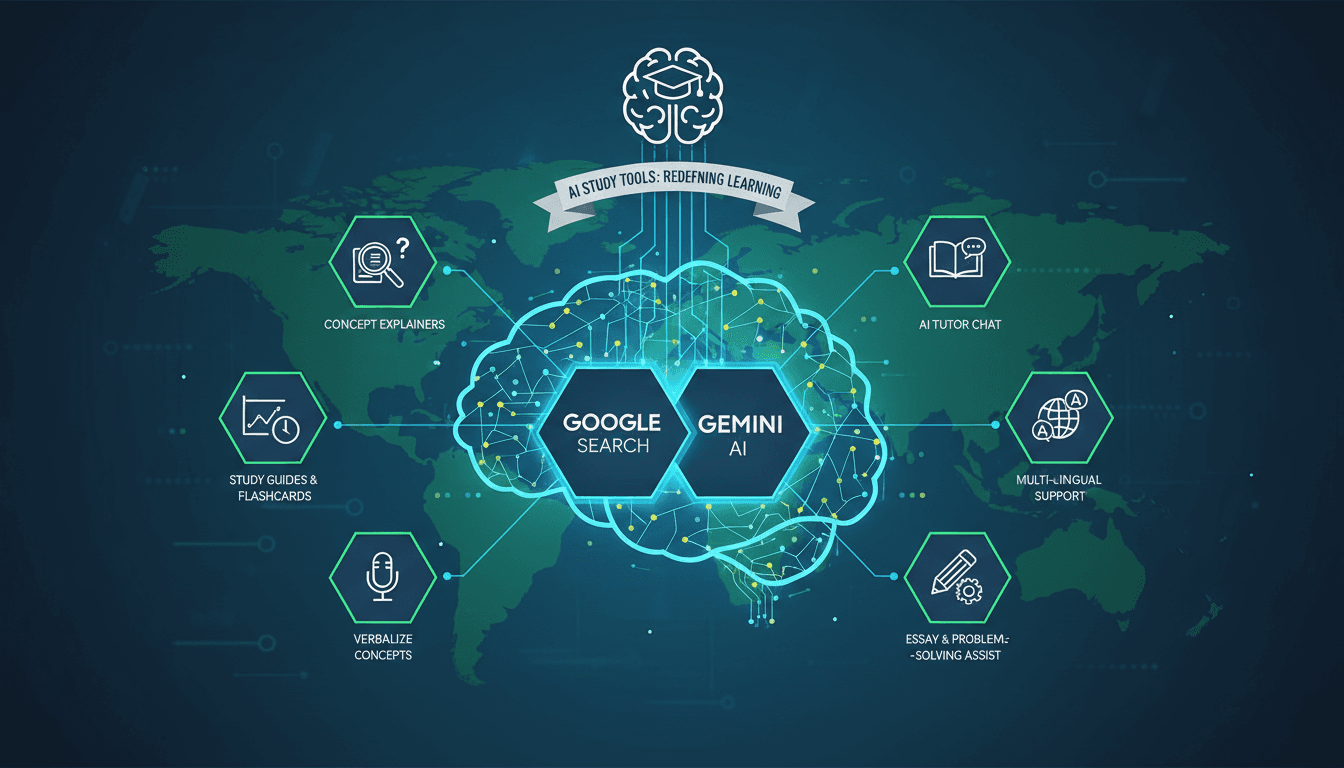
- Features include interactive visuals, customized quizzes, and a dedicated student hub aimed at enhancing personalized learning experiences.
- This launch coincides with the back-to-school season, intensifying competition with OpenAI and specialized education platforms.
The context you actually need
- Google is positioning Gemini as a primary AI tool for students, competing against offerings from OpenAI and startups like Knowt and Gauth.
- The tools are designed to provide interactive and personalized learning experiences, addressing the growing demand for innovative educational resources.
- The back-to-school timing of the launch is strategic, aiming to capture the attention of students and educators seeking effective study aids.
What's really happening
Google's integration of AI-powered study tools into its platforms marks a significant evolution in educational technology. The company is responding to an increasingly competitive landscape where traditional learning methods are being challenged by innovative digital solutions. With the rise of AI, students now expect more interactive and personalized learning experiences, and Google aims to meet these expectations head-on.
The new features introduced in Google Search and Gemini are designed to enhance the learning process through various means. For instance, AI-generated interactive visuals allow students to engage with complex concepts in a more tangible way, such as visualizing the pH scale through simulations. This hands-on approach can significantly improve comprehension and retention of information.
Moreover, the custom practice quizzes tailored to individual learning needs enable students to focus on areas where they require more practice, thus optimizing their study time. The Lens-based problem-solving feature, which allows users to upload photos for assistance, further exemplifies how Google is leveraging technology to facilitate learning in real-time.
In Gemini, the enhancements are equally impressive. The introduction of multi-step research reports and background processing capabilities allows students to conduct thorough research without the typical time constraints. This feature not only streamlines the research process but also encourages deeper exploration of topics. The functional 3D simulations, such as rotatable DNA models, provide an immersive learning experience that can make abstract concepts more accessible.
The centralized student hub is another critical aspect of this launch. By consolidating notebooks, flashcards, and quizzes in one location, Google is simplifying the study process for students. This hub serves as a personalized learning environment where students can track their progress and access resources tailored to their needs.
As Google rolls out these features, it is also likely to influence the broader educational landscape. The integration of AI tools into everyday study practices could lead to a shift in how educational content is created and consumed. Traditional educational platforms may need to adapt to remain relevant, potentially leading to increased innovation across the sector.
Who feels it first (and how)
- Students: They will benefit directly from enhanced learning tools that cater to their individual needs.
- Educators: Teachers can utilize these tools to create more engaging lesson plans and assess student understanding more effectively.
- Educational Institutions: Schools and universities may adopt these tools to improve their curriculum and attract tech-savvy students.
- Parents: They can support their children’s learning with access to advanced study aids, potentially improving academic performance.
What to watch next
- User Adoption Rates: Monitoring how quickly students and educators begin using these tools will indicate their effectiveness and popularity.
- Competitor Responses: Watch for reactions from OpenAI and other educational platforms, as they may introduce similar features to remain competitive.
- Regulatory Developments: Keep an eye on any regulatory discussions surrounding AI in education, as this could impact future developments and implementations.
Google has launched AI-powered study tools integrated into its platforms.
Increased competition in the educational technology sector will lead to further innovations and enhancements.
The long-term impact of these tools on student learning outcomes and educational equity remains to be seen.
Frequently Asked Questions
- Why it matters?
- This integration signifies a pivotal shift in how educational resources are accessed and utilized, potentially reshaping the landscape of digital learning.
- What happened (in 30 seconds)?
- On August 19, 2026, Google announced new AI-powered study tools integrated into Google Search and the Gemini AI assistant. Features include interactive visuals, customized quizzes, and a dedicated student hub aimed at enhancing personalized learning experiences. This launch coincides with the back-to-school season, intensifying competition with OpenAI and specialized education platforms.
- What's really happening?
- Google's integration of AI-powered study tools into its platforms marks a significant evolution in educational technology. The company is responding to an increasingly competitive landscape where traditional learning methods are being challenged by innovative digital solutions. With the rise of AI, students now expect more interactive and personalized learning experiences, and Google aims to meet these expectations head-on. The new features introduced in Google Search and Gemini are designed to
- Who feels it first (and how)?
- Students: They will benefit directly from enhanced learning tools that cater to their individual needs. Educators: Teachers can utilize these tools to create more engaging lesson plans and assess student understanding more effectively. Educational Institutions: Schools and universities may adopt these tools to improve their curriculum and attract tech-savvy students. Parents: They can support their children’s learning with access to advanced study aids, potentially improving academic performance
- What to watch next?
- User Adoption Rates: Monitoring how quickly students and educators begin using these tools will indicate their effectiveness and popularity. Competitor Responses: Watch for reactions from OpenAI and other educational platforms, as they may introduce similar features to remain competitive. Regulatory Developments: Keep an eye on any regulatory discussions surrounding AI in education, as this could impact future developments and implementations.
Startup news with frequent AI coverage.
"Covers launches, funding, and product updates in AI."
— A47 Editor
Google packs Search and Gemini with new AI study tools
Google has launched new study features for its AI assistant, Gemini, aiming to enhance its appeal among students and compete with rivals like OpenAI. This initiative is part of Google's broader strategy to position Gemini as a go-to resource for lear...
Big data technologies that power AI systems.
"Covers data platforms and analytics for AI workloads."
— A47 Editor
Google's AI can see your business data by default in Workspace - unless you disable it
Google's AI assistant, Gemini, has been granted default access to various business data within Google Workspace, including Gmail, Docs, Calendar, and Chat, raising concerns about data privacy and security for organizations. Administrators have the op...
Business tech news, enterprise IT, and innovation analysis.
"ZDNet offers enterprise IT news, reviews, and strategy guidance."
— A47 Editor
Google's AI can see your business data by default in Workspace - unless you disable it
Google has enabled its AI assistant, Gemini, to access business data within Google Workspace by default, including Gmail, Docs, Calendar, and Chat. Administrators have the option to disable this access to limit Gemini's reach within their organizatio...
News and guidance for IT pros on AI adoption.
"Enterprise-focused tips, explainers, and news for professionals."
— A47 Editor
Google Makes Visible Gemini Watermarks Optional for AI Images, Videos and Music
Google has announced that users of its Gemini platform can now disable visible watermarks on AI-generated images, videos, and music, while still retaining invisible markers and credentials for transparency. This update aims to enhance user control ov...