
NASA Cancels Swift Space Telescope Rescue Mission Due to Control Failures
Here's what it means for you.
The cancellation of the Swift telescope rescue mission highlights the challenges of space technology and its implications for future projects.
What happened
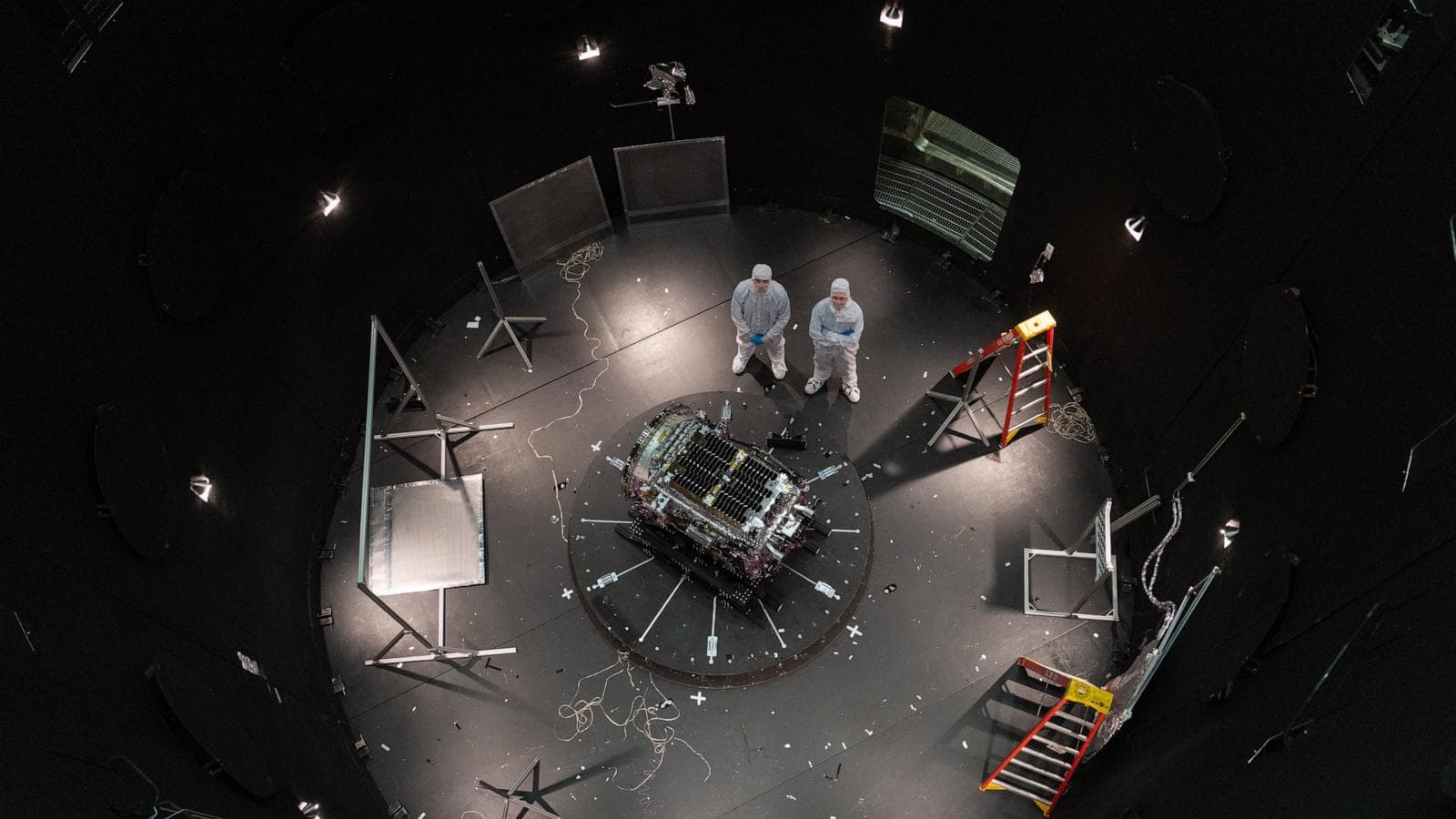
NASA has officially called off the rescue mission for its Swift space telescope due to persistent control failures with the Link spacecraft.
The Context
- Swift's Legacy: Launched in 2004, Swift has been pivotal in tracking cosmic events, but recent solar activity has accelerated its orbital decay.
- Investment in Innovation: NASA invested $30 million in the rescue mission, aiming to extend Swift's operational life and gather insights for future missions.
- Learning Experience: Despite the mission's failure, both NASA and Katalyst Space Technologies view the endeavor as a valuable learning opportunity for upcoming projects.
The Number
— This is the amount NASA allocated for the rescue attempt, underscoring the financial stakes involved in space missions and the importance of technological reliability.
Takeaway
As Swift prepares for reentry, the lessons learned from this mission will likely influence future space exploration strategies and technologies.
Science and technology stories including AI.
"Longstanding science magazine with thoughtful AI coverage."
— A47 Editor
NASA calls off rescue mission for its falling Swift space telescope
NASA has officially called off the rescue mission for its Neil Gehrels Swift Observatory, which has been studying cosmic explosions since its launch in 2004. The telescope is expected to burn up in Earth's atmosphere later this year due to a series o...
Scientific research, technology, environment, and society.
"Scientific American is one of the oldest and most authoritative science magazines, known for deep dives into science, technology, and society."
— A47 Editor
NASA calls off rescue mission for its falling Swift space telescope
NASA has officially called off the rescue mission for its Neil Gehrels Swift Observatory, which has been studying cosmic explosions since its launch in 2004. The telescope is expected to burn up in Earth's atmosphere later this year due to a series o...
Scientific research, space, environment, and health coverage.
"The New York Times is a globally recognized newspaper offering authoritative reporting with a center-left editorial stance."
— A47 Editor
NASA’s Attempt to Save the Swift Telescope Has Failed
NASA's Swift Observatory, known for studying cosmic explosions, is set to burn up in the atmosphere as efforts to save it have failed. The observatory has been facing operational challenges, prompting the agency to explore various rescue missions, in...
Conservative-leaning political and national coverage.
"The Washington Times is a conservative-leaning newspaper known for its political coverage and advocacy of right-of-center viewpoints."
— A47 Editor
Rescue mission is called off for NASA's aging Swift space telescope
NASA has officially called off the rescue mission for its aging Swift Observatory, which is now set to face a fiery reentry into Earth's atmosphere later this year. This decision follows a series of attempts to stabilize the telescope, which has been...
Space science news, astronomy updates, and spaceflight developments.
"Space.com delivers space science news, astronomy updates, and spaceflight developments with engaging coverage."
— A47 Editor
Private mission to save NASA's Swift space telescope fails
A private spacecraft launched to boost the orbit of NASA's Swift Observatory has failed in its mission, leading to the telescope's expected re-entry into Earth's atmosphere later this year. This failure follows a series of operational challenges face...
Technology innovations, startups, and trends.
"ABC News delivers broad national coverage with a mainstream editorial stance, focusing on accessibility and balanced reporting."
— A47 Editor
Rescue mission called off for NASA's aging Swift space telescope
NASA has officially called off the rescue mission for its aging Swift space telescope, which was at risk of falling back to Earth due to its deteriorating condition. The decision follows a series of attempts to salvage the satellite, including a $30 ...