
Space
Latest news, analysis, and updates on Space from A47 News.
8 stories in Tech · Updated live

Mercury's Shrinking Rate Surpasses Previous Estimates by 30 Percent
Mercury is now understood to be contracting up to 30 percent faster than earlier estimates indicated, with a maximum diameter reduction of 14.5 miles since its formation. This revelation stems from improved surface analysis techniques that have revealed previously obscured tectonic features due to impact ejecta. The findings will likely refine models of Mercury's thermal evolution and core composition, influencing future planetary science research.
Saudi Foreign Minister Attends International Space Summit in Paris
On September 10, 2026, Saudi Foreign Minister Prince Faisal bin Farhan represented Crown Prince Mohammed bin Salman at the International Space Summit in Paris. This participation is part of Saudi Arabia's broader strategy to enhance its space sector under Vision 2030, coinciding with rising global competition in space activities. The long-term implication includes potential investments and collaborations that could position Saudi Arabia as a key player in the global space economy, projected to reach 1.1 trillion USD by 2035.

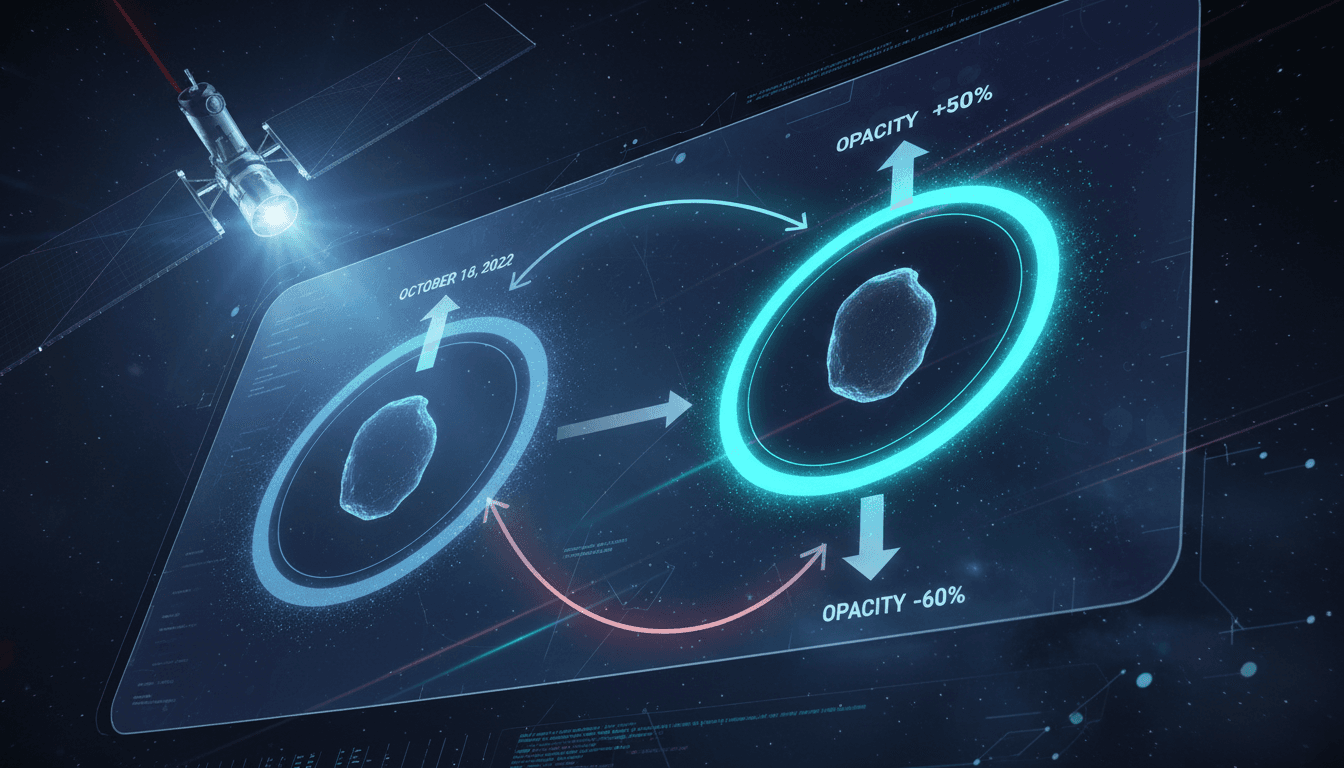
JWST Observations Reveal Dynamic Changes in Chariklo's Ring System
Recent observations from the James Webb Space Telescope on October 18, 2022, have documented significant changes in the ring system of the centaur Chariklo, with the inner ring's opacity increasing by approximately 50% and the outer ring's opacity decreasing by about 60%. This shift is attributed to potential material redistribution or particle size changes, challenging previous assumptions of ring stability around small solar system bodies. The findings suggest a need for revised models of ring formation and stability, prompting further monitoring and research in the field of planetary science.
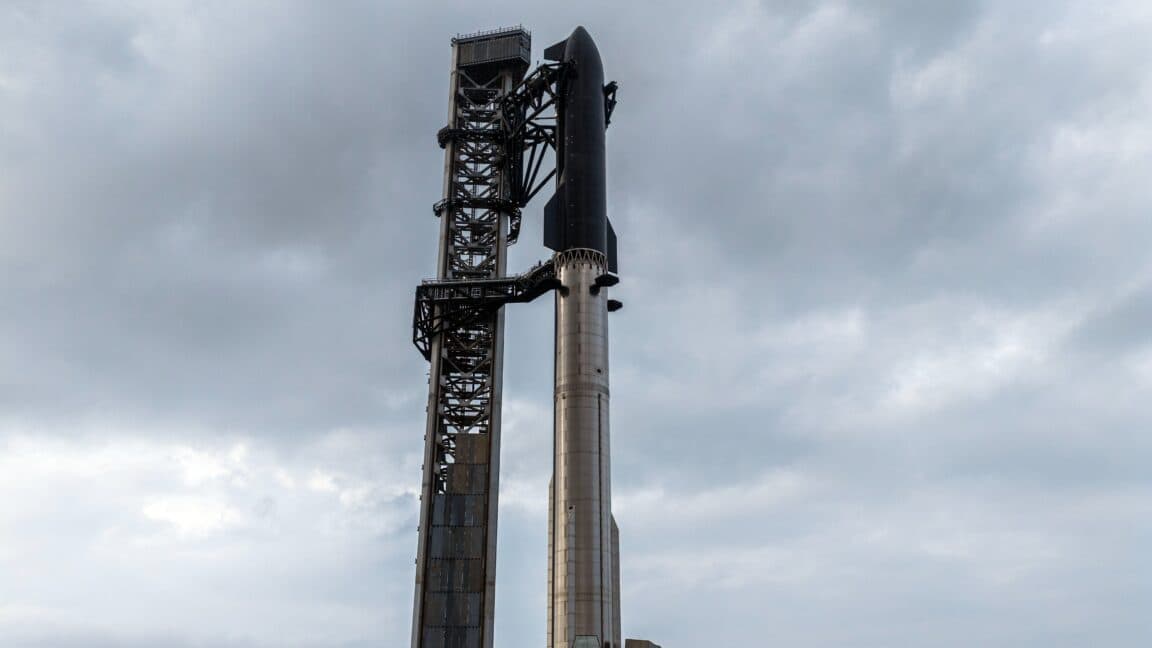
SpaceX Schedules First Orbital Starship Flight for September 22 Pending FAA Approval
SpaceX has announced a target date of September 22, 2026, for its first orbital mission of the Starship vehicle, pending regulatory approval from the FAA. This announcement follows a series of successful suborbital flights and aims to advance the development of a fully reusable launch system. If successful, this mission could significantly enhance satellite deployment capabilities and pave the way for future crewed lunar and Mars missions.
Latest Stories
JWST Observations Reveal Dynamic Changes in Chariklo's Ring System
Recent observations from the James Webb Space Telescope on October 18, 2022, have documented significant changes in the ring system of the centaur Chariklo, with the inner ring's opacity increasing by approximately 50% and the outer ring's opacity decreasing by about 60%. This shift is attributed to potential material redistribution or particle size changes, challenging previous assumptions of ring stability around small solar system bodies. The findings suggest a need for revised models of ring formation and stability, prompting further monitoring and research in the field of planetary science.
SpaceX Schedules First Orbital Starship Flight for September 22 Pending FAA Approval
SpaceX has announced a target date of September 22, 2026, for its first orbital mission of the Starship vehicle, pending regulatory approval from the FAA. This announcement follows a series of successful suborbital flights and aims to advance the development of a fully reusable launch system. If successful, this mission could significantly enhance satellite deployment capabilities and pave the way for future crewed lunar and Mars missions.
Mercury's Shrinking Rate Surpasses Previous Estimates by 30 Percent
Mercury is now understood to be contracting up to 30 percent faster than earlier estimates indicated, with a maximum diameter reduction of 14.5 miles since its formation. This revelation stems from improved surface analysis techniques that have revealed previously obscured tectonic features due to impact ejecta. The findings will likely refine models of Mercury's thermal evolution and core composition, influencing future planetary science research.
NASA and IBM Launch Open-Source AI Model for Lunar Data Analysis
NASA and IBM have released the NASA-IBM Lunar Foundation Model, an open-source AI model designed to enhance lunar data analysis. This initiative is driven by the need for advanced tools to process vast datasets from lunar missions, coinciding with the ongoing Artemis program. The long-term implication is the potential for global collaboration in lunar research, enabling more efficient exploration and scientific discovery on the Moon.