
ClarityCheck Exposes 9 Million Facial Images Due to Misconfigured Cloud Storage
Why it matters
The incident underscores the vulnerabilities in biometric data collection practices and the potential risks to personal privacy.
What happened (in 30 seconds)
- On August 19, 2026, security researcher Jeremiah Fowler discovered an unsecured Amazon S3 bucket containing approximately 9 million facial images from ClarityCheck.
- The exposed data included profile images and personal information, accessible via a URL in the company’s public website code.
- ClarityCheck secured the database after being notified, but the incident highlights ongoing risks associated with biometric data management.
The context you actually need
- Biometric data privacy concerns have intensified as people-finder and reverse-image-search platforms proliferate, often without adequate security measures.
- ClarityCheck's stated policies on data retention conflict with the presence of older files in the exposed dataset, raising questions about their data management practices.
- Misconfigurations in cloud storage are common, despite increasing regulatory focus on data minimization and privacy protections in the digital landscape.
What's really happening
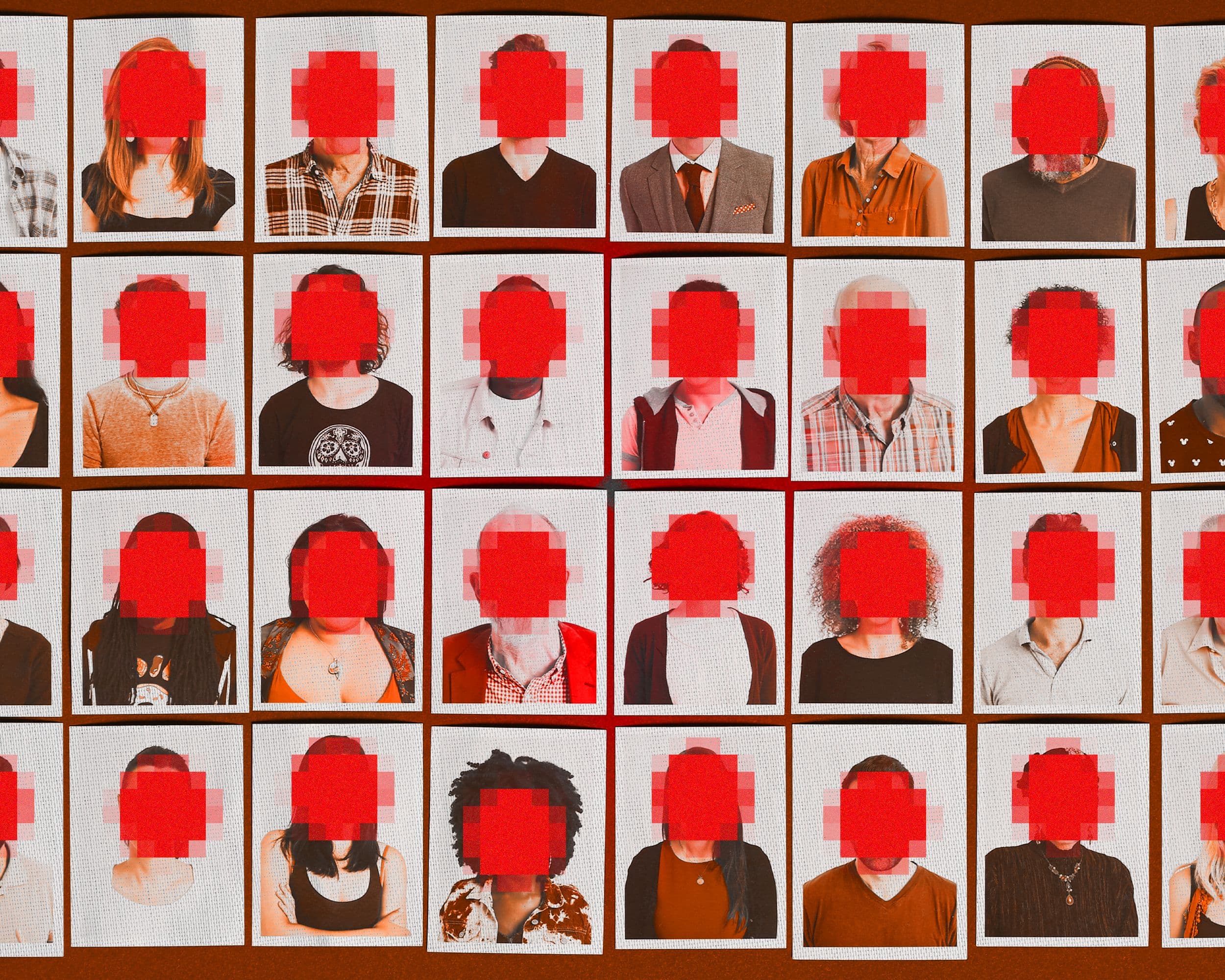
The exposure of 9,042,977 facial images from ClarityCheck is a stark reminder of the vulnerabilities inherent in biometric data collection and storage. This incident was uncovered by Jeremiah Fowler, who identified an unsecured Amazon S3 bucket linked to ClarityCheck, a U.S.-registered people-search platform. The bucket contained a staggering 450.2 GB of image files, including photographs of adults, teenagers, and children, all accessible through a URL embedded in the company’s public website code.
This breach is particularly concerning given the nature of the data involved. Biometric data, such as facial images, is unique and cannot be changed like a password. Once compromised, it poses long-term risks to individuals, including identity theft and unauthorized surveillance. ClarityCheck's claims of a 14-day retention policy for uploaded images were contradicted by the presence of older files in the exposed dataset, suggesting a lack of effective data management practices.
The incident also revealed a secondary API misconfiguration that allowed name-based queries to return sensitive contact details, including email addresses and physical addresses. This dual exposure amplifies the risks associated with the misuse of personal data, especially in an age where identity verification services are increasingly relied upon for online interactions.
Despite ClarityCheck's prompt action to secure the database and APIs after being notified, the incident raises critical questions about the effectiveness of privacy protections in biometric data services. The company disputed the characterization of public exposure, claiming that the data consisted of duplicates and temporary files. However, the reality is that the potential for unauthorized access to sensitive personal information remains a significant concern.
As the demand for biometric identification services grows, so too does the need for robust security measures. The ClarityCheck incident serves as a cautionary tale for both consumers and companies involved in biometric data collection. It highlights the importance of transparency, accountability, and stringent security protocols to protect individuals' privacy in an increasingly digital world.
Who feels it first (and how)
- Consumers: Individuals who have uploaded images to ClarityCheck or similar services may face privacy risks.
- Tech companies: Firms in the biometric data space may experience increased scrutiny and pressure to enhance security measures.
- Regulators: Government bodies may respond with stricter regulations on biometric data management and privacy protections.
What to watch next
- Regulatory changes: Keep an eye on potential new regulations aimed at enhancing biometric data privacy and security.
- Industry responses: Watch how companies in the biometric space adapt their security protocols in light of this incident.
- Public sentiment: Monitor consumer attitudes towards biometric data services and privacy concerns, which may influence market dynamics.
The exposure of 9 million facial images from ClarityCheck occurred due to misconfigured cloud storage.
Increased regulatory scrutiny and potential changes in data privacy laws regarding biometric data collection.
The long-term impact on ClarityCheck's business and consumer trust in biometric identification services.
Frequently Asked Questions
- Why it matters?
- The incident underscores the vulnerabilities in biometric data collection practices and the potential risks to personal privacy.
- What happened (in 30 seconds)?
- On August 19, 2026, security researcher Jeremiah Fowler discovered an unsecured Amazon S3 bucket containing approximately 9 million facial images from ClarityCheck. The exposed data included profile images and personal information, accessible via a URL in the company’s public website code. ClarityCheck secured the database after being notified, but the incident highlights ongoing risks associated with biometric data management.
- What's really happening?
- The exposure of 9,042,977 facial images from ClarityCheck is a stark reminder of the vulnerabilities inherent in biometric data collection and storage. This incident was uncovered by Jeremiah Fowler, who identified an unsecured Amazon S3 bucket linked to ClarityCheck, a U.S.-registered people-search platform. The bucket contained a staggering 450.2 GB of image files, including photographs of adults, teenagers, and children, all accessible through a URL embedded in the company’s public website co
- Who feels it first (and how)?
- Consumers: Individuals who have uploaded images to ClarityCheck or similar services may face privacy risks. Tech companies: Firms in the biometric data space may experience increased scrutiny and pressure to enhance security measures. Regulators: Government bodies may respond with stricter regulations on biometric data management and privacy protections.
- What to watch next?
- Regulatory changes: Keep an eye on potential new regulations aimed at enhancing biometric data privacy and security. Industry responses: Watch how companies in the biometric space adapt their security protocols in light of this incident. Public sentiment: Monitor consumer attitudes towards biometric data services and privacy concerns, which may influence market dynamics.
In-depth reporting on tech, policy, and science including AI.
"Respected analysis for technically savvy readers, including AI topics."
— A47 Editor
Reverse-lookup service exposed millions of photos of people’s faces
ClarityCheck, a reverse image search and identity verification service, has been found to have exposed a database containing over 9 million image files, leading to significant privacy concerns. This incident highlights vulnerabilities in data securit...
In-depth coverage of hardware, software, science, and policy.
"Ars Technica provides expert technology news, hardware reviews, and analysis for a technically savvy audience."
— A47 Editor
Reverse-lookup service exposed millions of photos of people’s faces
ClarityCheck, a reverse image search and identity verification service, has been found to have exposed a database containing over 9 million image files, leading to significant privacy concerns. This incident highlights vulnerabilities in data securit...
Consumer tech news, reviews, and buying guides for gadgets and electronics.
"TechRadar is known for comprehensive buying advice, hardware reviews, and consumer tech news targeted at mainstream audiences."
— A47 Editor
Over 9 million facial recognition images leaked in major breach at reverse image search and identity verification service
ClarityCheck, a reverse image search and identity verification service, has experienced a significant data breach, resulting in the exposure of over 9 million facial recognition images. This incident has raised serious privacy concerns and prompted t...
Emerging technologies, digital transformation, IT, and cultural impact of tech.
"WIRED covers the intersection of technology, culture, and politics with a progressive, forward-looking editorial stance."
— A47 Editor
Reverse-Lookup Service Exposed Millions of Photos of People’s Faces
ClarityCheck, a people-search tool, has faced significant backlash after its reverse image search service was found to have exposed a database containing over 9 million image files, raising serious privacy concerns.