
SpaceX to Launch Orbital AI Data Center Constellation Using NVIDIA Technology by 2027
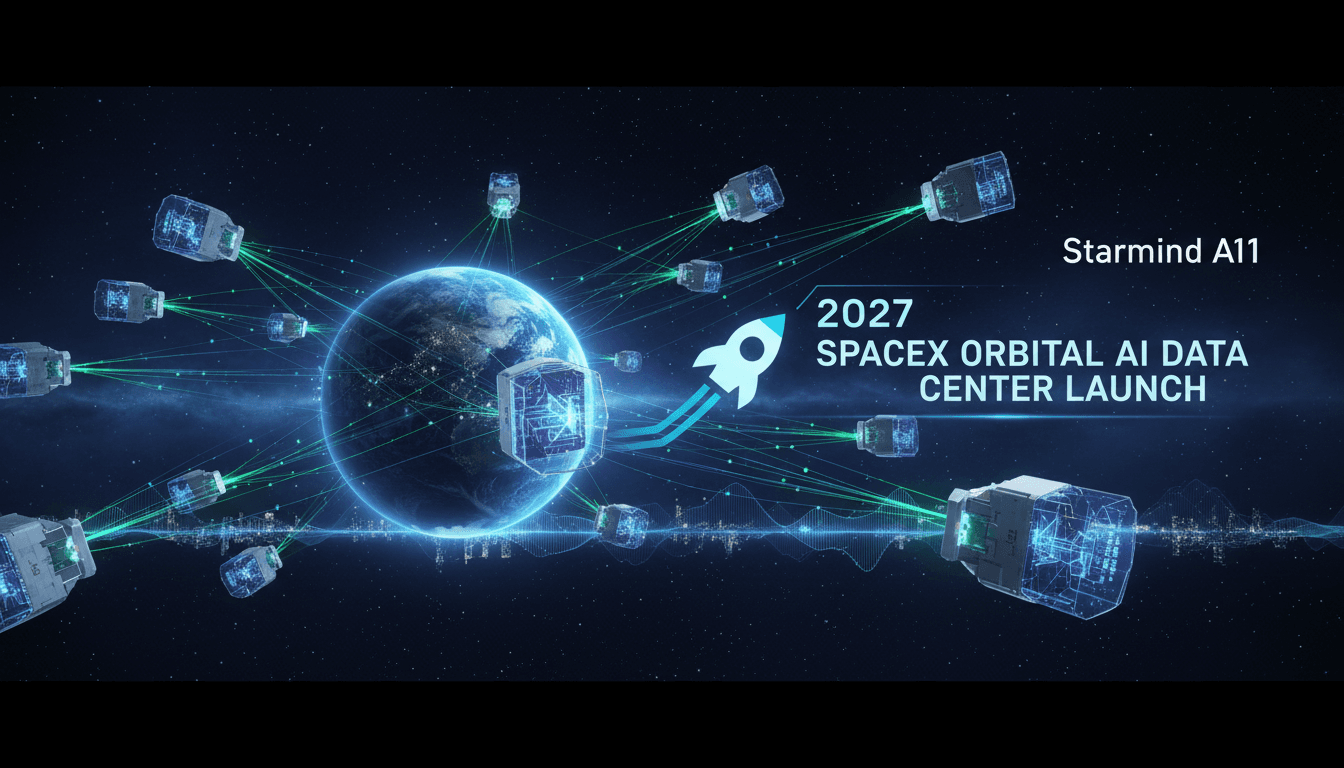
Here's what it means for you.
As the demand for AI computing power surges, this project could reshape global data infrastructure and energy markets.
Why it matters
The initiative addresses critical limitations in terrestrial data centers, potentially revolutionizing AI processing capabilities.
What happened (in 30 seconds)
- SpaceX announced a partnership with NVIDIA to deploy AI data center satellites in low Earth orbit, targeting a 2027 launch.
- Each satellite will carry 72 NVIDIA chips, designed to handle AI workloads without terrestrial constraints.
- Market reactions included a drop in AMD shares, reflecting concerns over competition and the feasibility of the project.
The context you actually need
- The global AI industry is facing increasing challenges from power shortages, land scarcity, and cooling demands in traditional data centers.
- Elon Musk's companies are exploring orbital solutions to scale compute infrastructure, building on previous projects like Starlink.
- NVIDIA's Vera Rubin architecture is specifically designed for space applications, enhancing AI processing capabilities significantly.
What's really happening
In early August 2026, during SpaceX's Q2 earnings call, Elon Musk revealed the exclusive use of NVIDIA's Vera Rubin architecture for the Starmind project. This partnership aims to deploy AI1 satellites equipped with advanced computing hardware in low Earth orbit, effectively bypassing the limitations faced by terrestrial data centers. Each satellite will host approximately 72 NVIDIA chips, equivalent to a single NVL72 rack, which is designed to deliver up to 25 times the AI compute power of previous models like the H100 GPUs.
The rationale behind this initiative stems from the escalating constraints on ground-based data centers, which struggle with power shortages, land availability, and cooling requirements. By moving computing capabilities into space, SpaceX and NVIDIA aim to create a scalable solution that can meet the growing demands of AI workloads. The project envisions a constellation of potentially one million satellites, which would require significant advancements in launch economics and technology to become viable.
However, the project faces substantial hurdles. The current cost of launching payloads with SpaceX's Falcon Heavy is around $1,500 per kilogram, while the target for the Starmind project is to reduce this to between $50 and $100 per kilogram using the Starship. Additionally, the technical challenges include managing radiation-induced bit flips, which can affect the performance of smaller transistors used in the satellites.
Despite these challenges, the implications of this project are profound. If successful, it could redefine how AI infrastructure is built and scaled, potentially lowering costs and increasing accessibility to advanced computing resources. This shift could also influence energy markets, as the demand for solar power and cooling solutions in space will create new dynamics in energy consumption and production.
Who feels it first (and how)
- Tech companies: Firms relying on AI for data processing may benefit from reduced costs and increased capabilities.
- Investors: Stakeholders in NVIDIA and SpaceX will be closely monitoring the project's progress and market impacts.
- Energy sectors: Companies involved in solar energy and cooling technologies may see new opportunities or challenges as the project develops.
What to watch next
- Launch timelines: Keep an eye on SpaceX's progress towards the 2027 launch, as delays could impact market expectations.
- Cost reductions: Watch for advancements in launch technology that could bring costs down to the targeted $50-100/kg range.
- Regulatory responses: Monitor how governments and regulatory bodies respond to the potential for increased orbital congestion and space debris.
SpaceX and NVIDIA are collaborating on the Starmind project, targeting a 2027 launch.
The project will face significant technical and economic challenges that could delay its implementation.
The long-term impact on global AI infrastructure and energy markets remains to be seen.
Frequently Asked Questions
- Why it matters?
- The initiative addresses critical limitations in terrestrial data centers, potentially revolutionizing AI processing capabilities.
- What happened (in 30 seconds)?
- SpaceX announced a partnership with NVIDIA to deploy AI data center satellites in low Earth orbit, targeting a 2027 launch. Each satellite will carry 72 NVIDIA chips, designed to handle AI workloads without terrestrial constraints. Market reactions included a drop in AMD shares, reflecting concerns over competition and the feasibility of the project.
- What's really happening?
- In early August 2026, during SpaceX's Q2 earnings call, Elon Musk revealed the exclusive use of NVIDIA's Vera Rubin architecture for the Starmind project. This partnership aims to deploy AI1 satellites equipped with advanced computing hardware in low Earth orbit, effectively bypassing the limitations faced by terrestrial data centers. Each satellite will host approximately 72 NVIDIA chips, equivalent to a single NVL72 rack, which is designed to deliver up to 25 times the AI compute power of prev
- Who feels it first (and how)?
- Tech companies: Firms relying on AI for data processing may benefit from reduced costs and increased capabilities. Investors: Stakeholders in NVIDIA and SpaceX will be closely monitoring the project's progress and market impacts. Energy sectors: Companies involved in solar energy and cooling technologies may see new opportunities or challenges as the project develops.
- What to watch next?
- Launch timelines: Keep an eye on SpaceX's progress towards the 2027 launch, as delays could impact market expectations. Cost reductions: Watch for advancements in launch technology that could bring costs down to the targeted $50-100/kg range. Regulatory responses: Monitor how governments and regulatory bodies respond to the potential for increased orbital congestion and space debris.
Consumer technology news with AI coverage.
"Gadget and tech site reporting on AI in products."
— A47 Editor
SpaceX to use NVIDIA GPUs for its Starmind project — Here's what they'll face in space
SpaceX has announced its intention to utilize NVIDIA GPUs for its Starmind project, which aims to harness solar energy for artificial intelligence applications in space. This initiative reflects Elon Musk's vision of integrating advanced technology t...
Covers consumer technology, electronics, gadgets, and product reviews.
"Engadget is a trusted source for gadget reviews and consumer tech news, known for its hands-on analysis and industry coverage."
— A47 Editor
SpaceX to use NVIDIA GPUs for its Starmind project — Here's what they'll face in space
SpaceX has announced its intention to utilize NVIDIA GPUs for its Starmind project, which aims to harness solar energy for artificial intelligence applications in space. This initiative reflects Elon Musk's vision of integrating advanced technology t...
Global business headlines with AI angles.
"General business outlet that frequently covers AI."
— A47 Editor
SpaceX Pushed Up The Timeline To Launch Its First AI-powered Satellites. Its Stock Is Climbing.
SpaceX has accelerated the timeline for launching its first AI-powered satellites, with CEO Elon Musk announcing a target launch date in the last quarter of 2027 for the Vera Rubin NVL72 system. This move reflects the company's commitment to integrat...
Daily curated AI news and tools.
"High-signal newsletter summarizing model and product news."
— A47 Editor
The SpaceX-Nvidia partnership heads for orbit
SpaceX has entered an exclusive partnership with Nvidia to procure graphics processing units, marking a pivotal shift in its chip strategy aimed at enhancing its artificial intelligence infrastructure. This decision was highlighted by CEO Elon Musk d...
U.S. company headlines: M&A, product launches, legal/regulatory actions, and leadership moves.
"U.S.-centric corporate tape; good for tracking single-name catalysts."
— A47 Editor
SpaceXAI to deploy Nvidia Vera CPUs for AI infrastructure
SpaceXAI has announced plans to deploy Nvidia's Vera CPUs to enhance its artificial intelligence infrastructure, marking a significant step in its technological capabilities. This deployment is expected to improve the efficiency and performance of AI...