
Ring Implements TAKE Encryption as Default for Enhanced Video Privacy
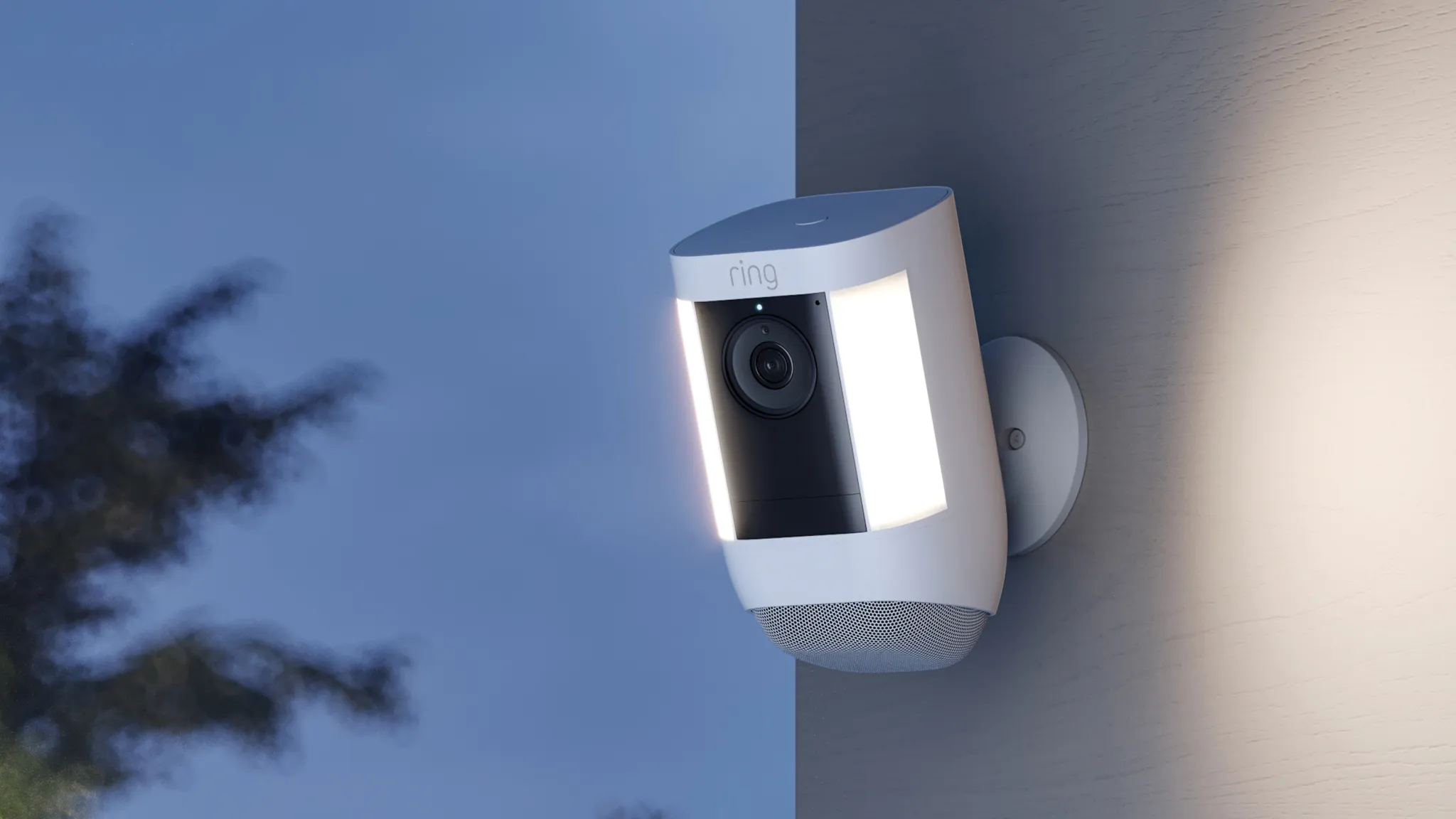
Here's what it means for you.
As a Ring user, you can expect enhanced privacy controls over your video footage while still enjoying smart features.
Why it matters
This shift reflects a growing demand for privacy in smart home technology amid increasing scrutiny over data access.
What happened (in 30 seconds)
- On August 26, 2026, Ring announced TAKE (Throw Away the Key Encryption) as the new default encryption for its cameras and doorbells.
- The phased rollout will begin in September 2026, applying globally to all users.
- Law enforcement requests will only receive non-video subscriber data and encrypted files unless users share footage voluntarily.
The context you actually need
- Previous encryption methods allowed broader cloud access for processing features, raising privacy concerns.
- TAKE uses rotating encryption keys stored temporarily, enhancing user control while maintaining functionality.
- End-to-end encryption (E2EE) remains available as an opt-in option for users seeking maximum privacy.
What's really happening
Ring's adoption of the TAKE encryption protocol marks a significant pivot in how the company approaches user privacy and data security. Historically, Ring has faced criticism for its partnerships with law enforcement and the potential for unauthorized access to stored video footage. The previous encryption methods protected data during transmission and storage but did not fully restrict access to cloud features, which could be a vulnerability.
With TAKE, Ring introduces a more robust encryption standard that utilizes rotating encryption keys. These keys are stored temporarily in a secure cloud enclave and are accessible only for user-activated features. After processing, these keys are deleted within 24 hours, significantly reducing the window for potential unauthorized access. This approach not only enhances user privacy but also allows Ring to maintain its AI-driven features, such as Smart Alerts and video descriptions, which are integral to the user experience.
The decision to implement TAKE as the default encryption standard is a strategic response to ongoing privacy scrutiny. By positioning itself as a leader in privacy standards, Ring aims to rebuild trust with consumers who may have been hesitant to adopt smart home technology due to concerns over surveillance and data misuse. The company emphasizes that law enforcement requests will be limited to non-video subscriber data and encrypted files, further reinforcing its commitment to user privacy.
This move is also indicative of a broader trend in the tech industry, where companies are increasingly prioritizing user privacy in response to consumer demand and regulatory pressures. As privacy becomes a key differentiator in the smart home market, Ring's proactive stance may set a precedent for other companies in the sector.
However, while the TAKE encryption standard represents a step forward, it also presents a trade-off. Users who opt for the enhanced privacy of TAKE may find that certain features are limited compared to those who choose the optional end-to-end encryption. This balance between privacy and functionality will be crucial for Ring as it navigates the evolving landscape of consumer expectations and regulatory requirements.
Who feels it first (and how)
- Ring users: Enhanced privacy controls will directly impact how they manage their video footage.
- Privacy advocates: Increased encryption standards may bolster arguments for stronger data protection laws.
- Law enforcement agencies: Adjustments in data access protocols will affect how they request and utilize footage from Ring devices.
What to watch next
- User adoption rates: Monitor how many users opt for the new TAKE encryption versus E2EE to gauge consumer sentiment on privacy.
- Regulatory responses: Watch for any governmental reactions or new legislation regarding smart home privacy standards.
- Market competition: Observe how other smart home companies respond to Ring's encryption changes and whether they adopt similar measures.
TAKE encryption will be the default for all Ring users globally starting September 2026.
Increased consumer demand for privacy-focused features will influence future product developments in the smart home sector.
The long-term impact on Ring's market share and user trust remains to be seen.
Frequently Asked Questions
- Why it matters?
- This shift reflects a growing demand for privacy in smart home technology amid increasing scrutiny over data access.
- What happened (in 30 seconds)?
- On August 26, 2026, Ring announced TAKE (Throw Away the Key Encryption) as the new default encryption for its cameras and doorbells. The phased rollout will begin in September 2026, applying globally to all users. Law enforcement requests will only receive non-video subscriber data and encrypted files unless users share footage voluntarily.
- What's really happening?
- Ring's adoption of the TAKE encryption protocol marks a significant pivot in how the company approaches user privacy and data security. Historically, Ring has faced criticism for its partnerships with law enforcement and the potential for unauthorized access to stored video footage. The previous encryption methods protected data during transmission and storage but did not fully restrict access to cloud features, which could be a vulnerability. With TAKE, Ring introduces a more robust encryption
- Who feels it first (and how)?
- Ring users: Enhanced privacy controls will directly impact how they manage their video footage. Privacy advocates: Increased encryption standards may bolster arguments for stronger data protection laws. Law enforcement agencies: Adjustments in data access protocols will affect how they request and utilize footage from Ring devices.
- What to watch next?
- User adoption rates: Monitor how many users opt for the new TAKE encryption versus E2EE to gauge consumer sentiment on privacy. Regulatory responses: Watch for any governmental reactions or new legislation regarding smart home privacy standards. Market competition: Observe how other smart home companies respond to Ring's encryption changes and whether they adopt similar measures.
Tech news, hardware, and AI tools coverage.
"PC/tech site increasingly covering AI hardware and apps."
— A47 Editor
Ring rolls out new encryption system that could limit what it can hand over to police
Ring has announced the rollout of a new encryption system called TAKE, which will become the default for its cameras worldwide. This system encrypts footage with keys that rotate every five minutes, enhancing user privacy by limiting access to video ...
Consumer technology news with AI coverage.
"Gadget and tech site reporting on AI in products."
— A47 Editor
Ring introduces better default encryption standards to address privacy concerns
Ring has introduced enhanced default encryption standards to address ongoing privacy concerns, ensuring that data sent to the cloud will be deleted after its use in smart home controls. This move aims to bolster user trust amid scrutiny over data han...
Covers consumer technology, electronics, gadgets, and product reviews.
"Engadget is a trusted source for gadget reviews and consumer tech news, known for its hands-on analysis and industry coverage."
— A47 Editor
Ring introduces better default encryption standards to address privacy concerns
Ring has introduced enhanced default encryption standards to address ongoing privacy concerns, ensuring that data sent to the cloud will be deleted after its use in smart home controls. This move aims to bolster user trust amid scrutiny over data han...
Startup news with frequent AI coverage.
"Covers launches, funding, and product updates in AI."
— A47 Editor
Ring introduces a new encryption standard, makes it the default for cloud features
Ring has introduced a new encryption standard, which will now be the default for its cloud features, allowing users to enhance their data security. The company has also stated that users can still opt for end-to-end encryption if they choose.
Curated tech headlines including AI stories.
"Influential aggregator surfacing the day’s top tech/AI links."
— A47 Editor
Amazon's Ring unveils a new proprietary encryption architecture called TAKE, set to begin rolling out in September as the default encryption for all cameras (Jennifer Pattison Tuohy/The Verge)
Amazon's Ring has announced the rollout of a new proprietary encryption architecture named TAKE, which will become the default encryption method for all its cameras starting in September. This new approach, referred to as
Latest tech news, product reviews, and analysis for consumers and professionals.
"CNET delivers accessible and detailed technology reporting, including trusted product reviews and how-to guides."
— A47 Editor
Ring Gave Itself a Security Makeover Called TAKE. Here’s What’s Actually Changing
Amazon's Ring has introduced a new security policy called TAKE, which enhances encryption practices for user videos and offers customers more choices regarding their security footage and AI usage. This change aims to bolster user trust and improve ov...
Tech news, reviews, and analysis of consumer electronics, science, art, and culture.
"The Verge is a technology-focused media outlet known for in-depth reporting, product reviews, and coverage of the intersection between technology and culture."
— A47 Editor
Ring says its new encryption limits what it can give police
Ring has introduced a new encryption method called TAKE, or Throw Away the Key Encryption, which enhances the protection of user videos by limiting Amazon's cloud access to these files. This approach aims to provide users with greater control over th...
Consumer tech and culture with frequent AI coverage.
"Influential tech outlet covering AI products and policy."
— A47 Editor
Ring says its new encryption limits what it can give police
Ring has introduced a new encryption method called TAKE, or Throw Away the Key Encryption, which enhances the protection of user videos by limiting Amazon's cloud access to these files. This approach aims to provide users with greater control over th...