
SIU Carbondale Develops 3D-Printed Cookies from Recycled Plastic and Biomass
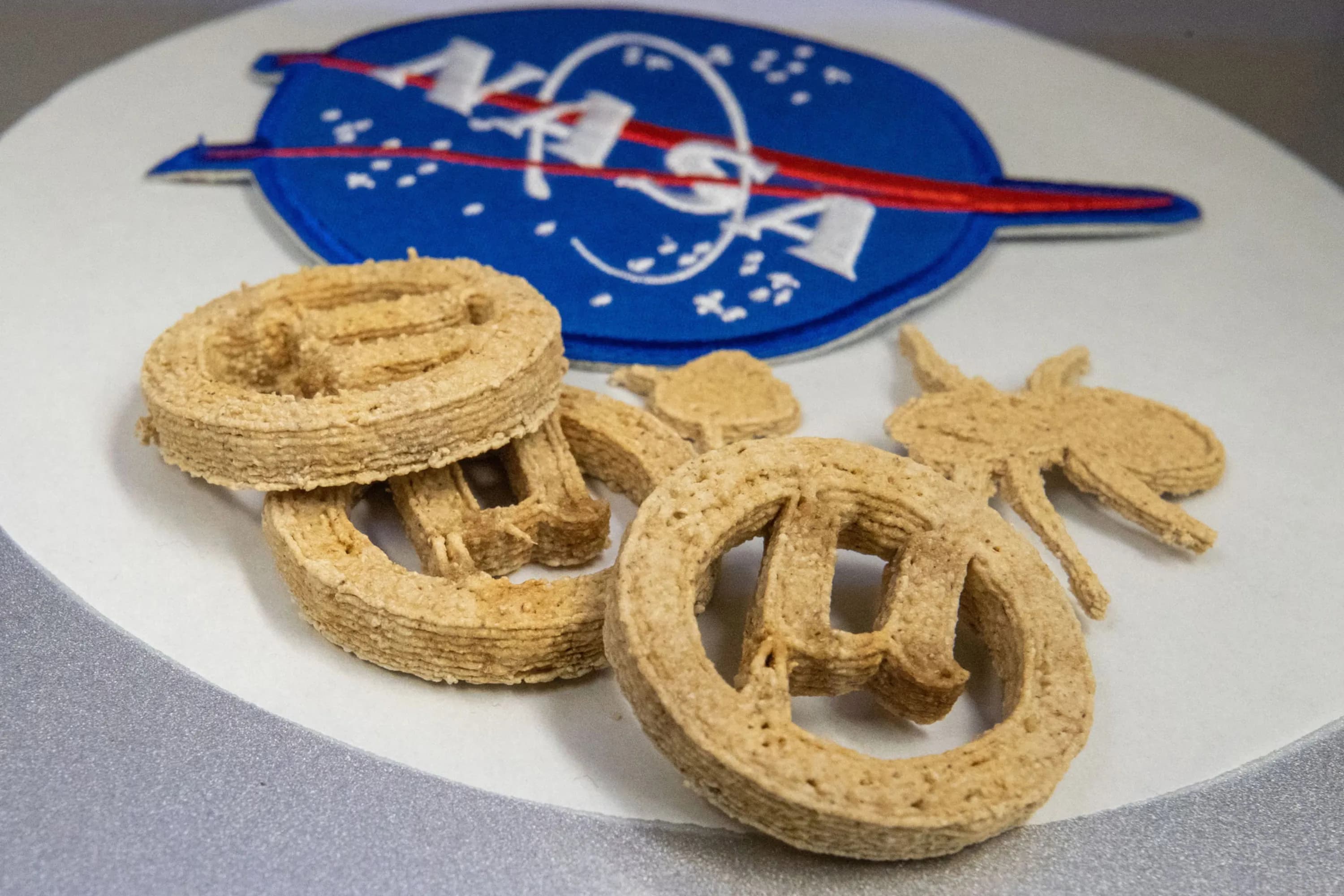
Here's what it means for you.
As global food demand rises, innovative solutions like these cookies could reshape food production and sustainability.
Why it matters
This research addresses critical issues of food scarcity and plastic waste, potentially transforming how we produce and consume food.
What happened (in 30 seconds)
- On August 25, 2026, SIU Carbondale microbiologists unveiled 3D-printed cookies made from recycled PET plastic and agricultural waste.
- The project, led by Lahiru Jayakody and Sandhya Jayasekara, aims to tackle food shortages and plastic pollution, originating from NASA's Deep Space Food Challenge.
- Currently in prototype stage, the cookies are awaiting approval for human taste testing, with a production cost of $60 per kilogram.
The context you actually need
- Global food demand is projected to increase by 35-56% by 2050, necessitating innovative food production methods.
- Plastic pollution from single-use PET items poses a significant environmental challenge, with millions of tons entering oceans and landfills annually.
- NASA's Deep Space Food Challenge aims to develop sustainable food sources for long-duration space missions, pushing the boundaries of food technology.
What's really happening
The development of 3D-printed µBites cookies is a complex interplay of biotechnology, environmental science, and food engineering. The project began with the oxidative hydrothermal dissolution of polyethylene terephthalate (PET) plastic and agricultural biomass, such as corn stalks and leaves. This process utilizes heat, pressure, water, and oxygen to break down these materials into carbon-rich molecules, which serve as feedstocks for further processing.
The researchers employed CRISPR-engineered yeast strains, specifically Saccharomyces cerevisiae and Rhodosporidium toruloides, to convert these feedstocks into edible proteins, fats, and flavors. Saccharomyces cerevisiae was utilized for vanillin production, while Rhodosporidium toruloides contributed beta-carotene, enhancing the nutritional profile of the cookies. The resulting biomass was then mixed with fiber, starch, and sweeteners to create a printable slurry, which was extruded into disc-shaped cookies using a 3D printer.
Despite not winning the NASA challenge, the SIU Carbondale team received continued support and presented flavor, aroma, and color improvements at the American Chemical Society Expo. The cookies are currently in the prototype stage, with safety data indicating compliance with NASA standards. However, human consumption testing requires further approvals, and the team is actively working on reducing production costs, currently at $60 per kilogram.
This initiative reflects a broader trend of reframing plastic waste as a valuable resource. By converting discarded materials into food, researchers are addressing two pressing global issues: food insecurity and environmental pollution. The implications of this research extend beyond space travel; if successful, it could revolutionize food production on Earth, particularly in regions facing food shortages.
Who feels it first (and how)
- Food industry professionals: They may need to adapt to new production methods and ingredients.
- Environmental advocates: They will monitor the impact of reducing plastic waste through innovative food solutions.
- Consumers: Public acceptance of plastic-derived food products will influence market viability.
- Researchers and scientists: They will benefit from advancements in biotechnology and food science.
What to watch next
- Human taste testing approvals: Successful testing could lead to market entry and consumer acceptance.
- Cost reduction efforts: Achieving lower production costs will be crucial for scalability and accessibility.
- Regulatory responses: How governments and food safety authorities react to this innovation will shape its future.
The cookies are currently in prototype stage and awaiting human testing approval.
Continued research will lead to efficiency gains and lower production costs.
Public acceptance of food products derived from recycled plastics remains uncertain.
Frequently Asked Questions
- Why it matters?
- This research addresses critical issues of food scarcity and plastic waste, potentially transforming how we produce and consume food.
- What happened (in 30 seconds)?
- On August 25, 2026, SIU Carbondale microbiologists unveiled 3D-printed cookies made from recycled PET plastic and agricultural waste. The project, led by Lahiru Jayakody and Sandhya Jayasekara, aims to tackle food shortages and plastic pollution, originating from NASA's Deep Space Food Challenge. Currently in prototype stage, the cookies are awaiting approval for human taste testing, with a production cost of $60 per kilogram.
- What's really happening?
- The development of 3D-printed µBites cookies is a complex interplay of biotechnology, environmental science, and food engineering. The project began with the oxidative hydrothermal dissolution of polyethylene terephthalate (PET) plastic and agricultural biomass, such as corn stalks and leaves. This process utilizes heat, pressure, water, and oxygen to break down these materials into carbon-rich molecules, which serve as feedstocks for further processing. The researchers employed CRISPR-engineer
- Who feels it first (and how)?
- Food industry professionals: They may need to adapt to new production methods and ingredients. Environmental advocates: They will monitor the impact of reducing plastic waste through innovative food solutions. Consumers: Public acceptance of plastic-derived food products will influence market viability. Researchers and scientists: They will benefit from advancements in biotechnology and food science.
- What to watch next?
- Human taste testing approvals: Successful testing could lead to market entry and consumer acceptance. Cost reduction efforts: Achieving lower production costs will be crucial for scalability and accessibility. Regulatory responses: How governments and food safety authorities react to this innovation will shape its future.
Arabic-language coverage of international news and geopolitics.
"RT Arabic is a Russian state-funded outlet often criticized for promoting Kremlin-aligned narratives."
— A47 Editor
تحويل النفايات البلاستيكية إلى بسكويت
Scientists have unveiled an innovative method for recycling plastic bottles, transforming them into food using programmed yeast that converts polyethylene terephthalate and plant waste into edible materials.
RT is a Russian state-funded network covering global events from a Russian perspective.
"RT is widely criticized for promoting pro-Kremlin narratives and is considered by many to be a state propaganda outlet."
— A47 Editor
Scientists turn plastic bottles into protein-rich cookies
Scientists in the US have developed an innovative method to convert plastic waste into protein-rich cookies using 3D printing technology. This breakthrough aims to address the growing issue of plastic pollution while providing a sustainable food sour...
Latest tech news, product reviews, and analysis for consumers and professionals.
"CNET delivers accessible and detailed technology reporting, including trusted product reviews and how-to guides."
— A47 Editor
These Cookies Are 3D-Printed and Made of Recycled Plastic
Scientists have developed a novel approach to food production by engineering yeast that can convert waste plastic and plant biomass into protein cookies flavored with vanilla, which can be produced using 3D printing technology. This innovative method...
Business, investment, entrepreneurship, leadership, and innovation.
"Forbes is known for its coverage of business leaders, market trends, and entrepreneurial ventures with a pro-business editorial stance."
— A47 Editor
Cookies Made From Plastic Bottles Could Ease Food Shortages, Feed NASA Crews In Space
Researchers have developed a method to create cookies from plastic bottles by utilizing microbes to break down the plastic and incorporating baker's yeast for flavoring, specifically vanilla. This innovative approach aims to address food shortages an...