
Meta Begins Robotics Testing for Data Center Automation Amid AI Expansion
Here's what it means for you.
As automation reshapes the tech landscape, your job security in data-driven sectors may be at risk.
Why it matters
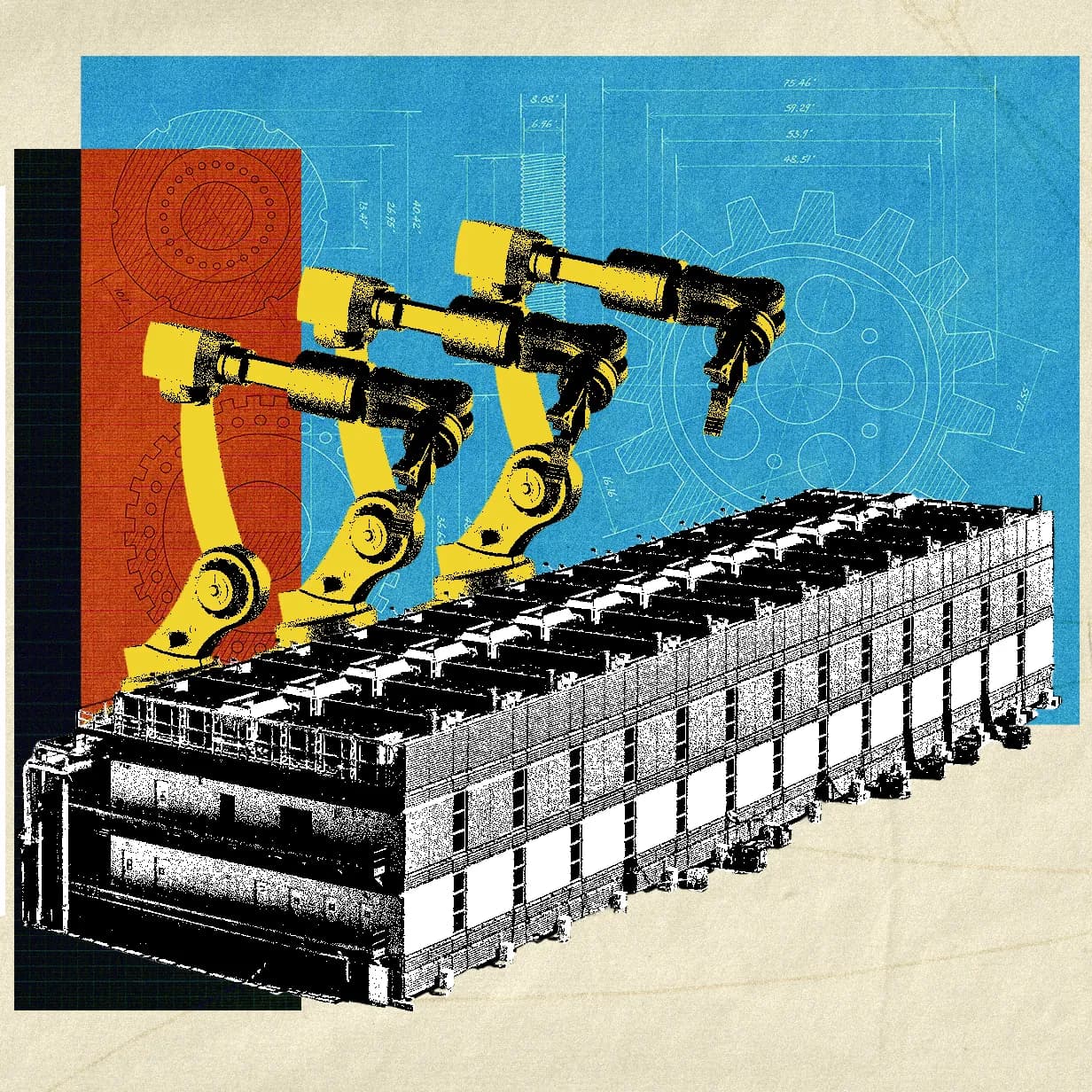
The integration of robotics in data centers signals a shift towards automation that could redefine labor dynamics across the tech industry.
What happened (in 30 seconds)
- Meta initiated testing of specialized robots in its data centers starting in 2025 to automate tasks like cable swapping and server resets.
- Key partnerships with robotics firms such as Watney Robotics and ABB aim to reduce reliance on human technicians amid labor shortages.
- Worker reactions indicate concerns over job displacement, despite Meta's commitment to expanding workforce training programs.
The context you actually need
- Meta's data center expansion has been driven by the surging demand for AI workloads, necessitating efficient operations in regions facing skilled labor shortages.
- Previous automation attempts in the industry struggled with high costs and hardware limitations, but recent advancements in robotics technology have reignited interest.
- Meta's prior initiatives included deploying self-driving tugger robots and inventory bots, laying the groundwork for more complex automation tasks.
What's really happening
Meta's foray into robotics is a strategic response to the dual pressures of rapid AI infrastructure expansion and a tightening labor market. The company has been expanding its data center footprint to accommodate the increasing demands of AI workloads, which has led to a significant uptick in operational complexity. As a result, the need for consistent and cost-effective operations has become paramount, especially in areas where skilled labor is scarce.
The testing of specialized robots, such as dual-armed Watney robots for cabling and ABB scissor-lift robots for part reseating, represents a calculated move to alleviate the burden on human technicians. These robots are designed to handle repetitive and physically demanding tasks, potentially reducing the workload of technicians by up to 80%. This figure is not just a statistic; it reflects a broader trend in the tech industry where automation is increasingly seen as a solution to labor shortages and operational inefficiencies.
However, the implications of this shift are profound. While Meta emphasizes its commitment to hiring and training initiatives, including apprenticeships with trade unions, the reality is that automation could lead to significant job displacement. Workers in data centers are already expressing concerns about their future roles, with many feeling demoralized by the prospect of being replaced by machines. This sentiment is echoed by local leaders, such as Altoona Mayor Dean O'Connor, who acknowledges the inevitability of automation and the need for proactive measures to address its impacts.
Moreover, the broader industry landscape is also evolving. Companies like Microsoft, Google, and Amazon are exploring similar automation strategies, indicating that this trend is not isolated to Meta. As these tech giants invest in robotics, the competitive landscape will shift, potentially leading to a new standard for operational efficiency that prioritizes automation over human labor.
In summary, Meta's robotics initiative is not merely about improving efficiency; it is a reflection of the changing dynamics in the tech industry, where the balance between human labor and automation is being recalibrated. The outcome of these experiments will likely set a precedent for how data centers operate in the future, influencing labor markets and operational strategies across the sector.
Who feels it first (and how)
- Data center technicians: Facing potential job displacement due to automation.
- Local economies: Areas like Altoona and New Albany may experience shifts in employment patterns.
- Tech industry workers: Broader implications for job security in sectors reliant on data center operations.
What to watch next
- Hiring trends: Monitor Meta's workforce expansion efforts and training programs to see if they can offset job losses.
- Robotics advancements: Keep an eye on technological developments in robotics that could further enhance automation capabilities.
- Industry responses: Watch how competitors like Microsoft and Google adapt their strategies in light of Meta's robotics initiatives.
Meta is actively testing robotics in data centers.
Job displacement concerns will grow among data center workers.
The long-term impact of automation on labor markets and operational efficiency remains to be seen.
Frequently Asked Questions
- Why it matters?
- The integration of robotics in data centers signals a shift towards automation that could redefine labor dynamics across the tech industry.
- What happened (in 30 seconds)?
- Meta initiated testing of specialized robots in its data centers starting in 2025 to automate tasks like cable swapping and server resets. Key partnerships with robotics firms such as Watney Robotics and ABB aim to reduce reliance on human technicians amid labor shortages. Worker reactions indicate concerns over job displacement, despite Meta's commitment to expanding workforce training programs.
- What's really happening?
- Meta's foray into robotics is a strategic response to the dual pressures of rapid AI infrastructure expansion and a tightening labor market. The company has been expanding its data center footprint to accommodate the increasing demands of AI workloads, which has led to a significant uptick in operational complexity. As a result, the need for consistent and cost-effective operations has become paramount, especially in areas where skilled labor is scarce. The testing of specialized robots, such a
- Who feels it first (and how)?
- Data center technicians: Facing potential job displacement due to automation. Local economies: Areas like Altoona and New Albany may experience shifts in employment patterns. Tech industry workers: Broader implications for job security in sectors reliant on data center operations.
- What to watch next?
- Hiring trends: Monitor Meta's workforce expansion efforts and training programs to see if they can offset job losses. Robotics advancements: Keep an eye on technological developments in robotics that could further enhance automation capabilities. Industry responses: Watch how competitors like Microsoft and Google adapt their strategies in light of Meta's robotics initiatives.
Curated tech headlines including AI stories.
"Influential aggregator surfacing the day’s top tech/AI links."
— A47 Editor
Sources: Meta is testing robots from ABB and others to handle data center tasks such as swapping cables and resetting servers as it seeks to lower labor costs (Paresh Dave/Wired)
Meta is currently testing robots from ABB and other manufacturers to automate tasks in its data centers, including cable swapping and server resets, as part of its strategy to reduce labor costs. This initiative reflects a growing trend in the tech i...
Business and policy angles on tech and AI.
"Business desk coverage intersecting with AI trends."
— A47 Editor
Inside Meta’s Push to Put Robots to Work in Data Centers
Meta is testing robots in its data centers to perform tasks such as swapping cables and resetting servers, raising concerns among employees about potential job losses. This initiative reflects the company's ongoing efforts to integrate automation int...
Emerging technologies, digital transformation, IT, and cultural impact of tech.
"WIRED covers the intersection of technology, culture, and politics with a progressive, forward-looking editorial stance."
— A47 Editor
Inside Meta’s Push to Put Robots to Work in Data Centers
Meta is testing robots in its data centers to perform tasks such as swapping cables and resetting servers, raising concerns among employees about potential job losses. This initiative reflects the company's ongoing efforts to integrate automation int...
In-depth coverage of hardware, software, science, and policy.
"Ars Technica provides expert technology news, hardware reviews, and analysis for a technically savvy audience."
— A47 Editor
AI agents meant to replace Meta workers made “large-scale, disruptive actions”
A recent report highlights that Meta's attempts to replace human workers with AI agents have led to significant disruptions, indicating challenges in effectively implementing AI solutions within the company.
In-depth reporting on tech, policy, and science including AI.
"Respected analysis for technically savvy readers, including AI topics."
— A47 Editor
AI agents meant to replace Meta workers made “large-scale, disruptive actions”
A recent report highlights that Meta's attempts to replace human workers with AI agents have led to significant disruptions, indicating challenges in effectively implementing AI solutions within the company.
Consumer technology news with AI coverage.
"Gadget and tech site reporting on AI in products."
— A47 Editor
Meta reportedly abandoned an AI-focused restructuring plan that would have laid off thousands
Meta has reportedly abandoned an AI-focused restructuring plan that would have resulted in significant layoffs, primarily due to the inadequacy of its artificial intelligence capabilities. The decision reflects ongoing challenges within the company a...
Covers consumer technology, electronics, gadgets, and product reviews.
"Engadget is a trusted source for gadget reviews and consumer tech news, known for its hands-on analysis and industry coverage."
— A47 Editor
Meta reportedly abandoned an AI-focused restructuring plan that would have laid off thousands
Meta has reportedly abandoned an AI-focused restructuring plan that would have resulted in significant layoffs, primarily due to the inadequacy of its artificial intelligence capabilities. The decision reflects ongoing challenges within the company a...