
Google Implements Memory Limits for Android Apps Amid Global RAM Shortage
Why it matters
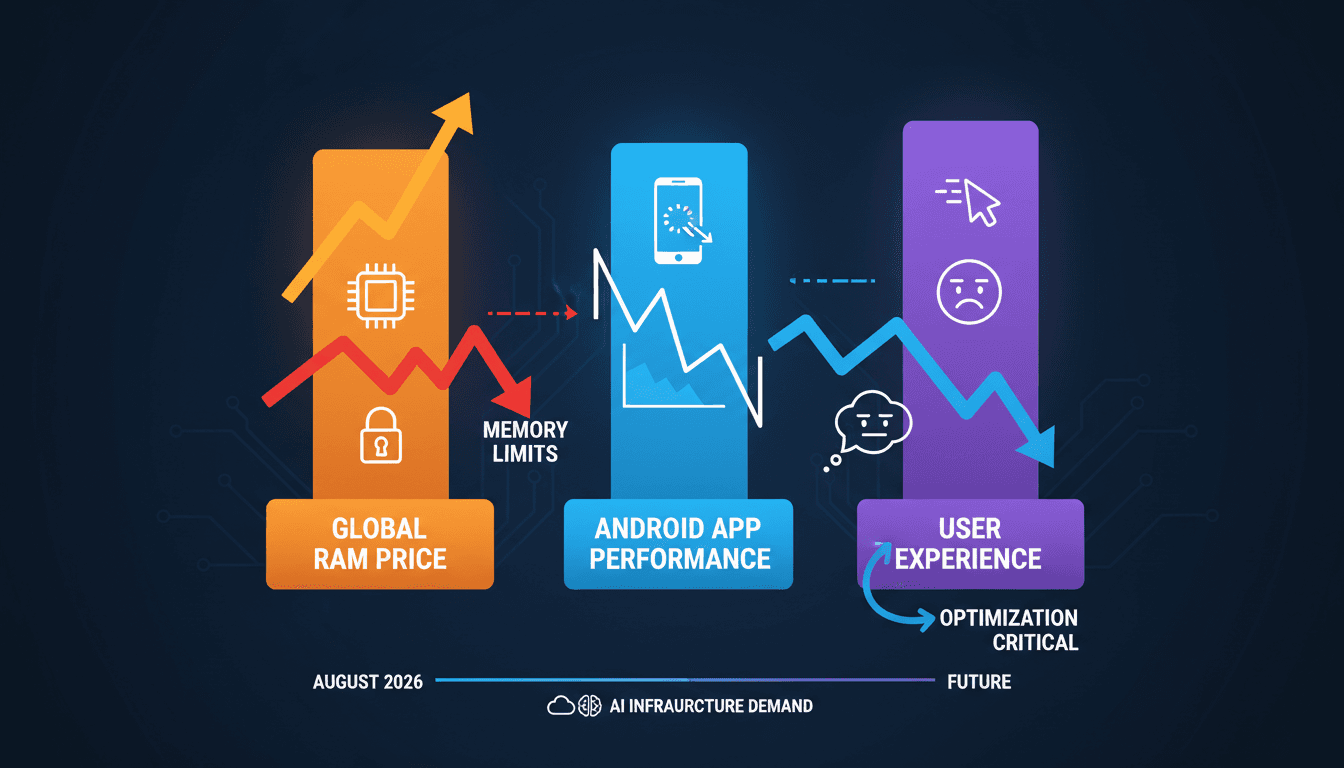
The enforcement of memory limits reflects a significant shift in app development standards amid a global RAM shortage.
What happened (in 30 seconds)
- On August 27, 2026, Google announced new performance thresholds for Android apps on Google Play.
- Starting February 2027, apps that do not comply with memory usage limits risk reduced visibility or termination.
- This policy is a response to rising RAM prices driven by increased demand for AI technologies.
The context you actually need
- Global RAM shortage, dubbed 'RAMageddon,' is affecting device configurations and prices, particularly in mid-range Android phones.
- Android 17 introduced per-app memory limits to prevent system instability caused by excessive memory use.
- Developers must optimize their apps for memory efficiency, impacting how apps are built and maintained moving forward.
What's really happening
Google's recent announcement regarding per-app memory limits is a strategic response to a pressing global issue: the RAM shortage. This shortage, driven by the reallocation of DRAM and NAND capacity towards AI infrastructure, has resulted in elevated memory prices and reduced RAM configurations in consumer devices. As a result, Android devices, particularly those in the mid-range segment, are feeling the pinch.
The introduction of Android 17 (API level 37) marks a pivotal moment in how apps are developed and optimized. By enforcing memory limits based on device RAM, Google aims to mitigate issues such as UI stuttering and app terminations that arise from excessive memory consumption. The thresholds set for dynamic memory usage, bitmap consumption, and DEX code optimization are designed to ensure that apps run smoothly across a variety of devices, from those with 4GB of RAM to those with 16GB or more.
Starting February 2027, developers who fail to comply with these new standards will face significant consequences. Non-compliant apps may experience reduced visibility on the Google Play Store, which can directly impact downloads and user engagement. In extreme cases, apps could be removed from the platform altogether. This creates a strong incentive for developers to prioritize memory optimization in their app design and updates.
The implications of this policy extend beyond just app developers. Device manufacturers may respond by further reducing RAM allocations in their products, as they navigate the ongoing supply constraints. This could lead to a cycle where consumers face higher prices for devices with adequate RAM, while also experiencing a decline in app performance if developers do not adapt quickly enough to the new standards.
In essence, Google's enforcement of memory limits is not just a technical adjustment; it is a reflection of broader market dynamics influenced by the demand for AI technologies. As developers scramble to meet these new requirements, the landscape of Android apps will inevitably shift, prioritizing efficiency and performance in a way that could redefine user experiences.
Who feels it first (and how)
- App Developers: Must adapt their apps to meet new memory optimization standards or risk losing visibility and user engagement.
- Device Manufacturers: May reduce RAM allocations in response to supply constraints, affecting device performance and pricing.
- Consumers: Could experience changes in app performance and availability, particularly on mid-range devices.
What to watch next
- Developer Adaptation: Monitor how quickly developers implement the required optimizations and the impact on app performance.
- Device Pricing Trends: Watch for potential increases in device prices as manufacturers adjust RAM configurations in response to supply constraints.
- Market Response: Observe how consumer behavior shifts in response to app performance changes and device pricing.
Google will enforce memory limits starting February 2027.
Device manufacturers will continue to reduce RAM allocations in response to ongoing supply constraints.
The long-term impact on app availability and consumer behavior in the Android ecosystem.
Frequently Asked Questions
- Why it matters?
- The enforcement of memory limits reflects a significant shift in app development standards amid a global RAM shortage.
- What happened (in 30 seconds)?
- On August 27, 2026, Google announced new performance thresholds for Android apps on Google Play. Starting February 2027, apps that do not comply with memory usage limits risk reduced visibility or termination. This policy is a response to rising RAM prices driven by increased demand for AI technologies.
- What's really happening?
- Google's recent announcement regarding per-app memory limits is a strategic response to a pressing global issue: the RAM shortage. This shortage, driven by the reallocation of DRAM and NAND capacity towards AI infrastructure, has resulted in elevated memory prices and reduced RAM configurations in consumer devices. As a result, Android devices, particularly those in the mid-range segment, are feeling the pinch. The introduction of Android 17 (API level 37) marks a pivotal moment in how apps are
- Who feels it first (and how)?
- App Developers: Must adapt their apps to meet new memory optimization standards or risk losing visibility and user engagement. Device Manufacturers: May reduce RAM allocations in response to supply constraints, affecting device performance and pricing. Consumers: Could experience changes in app performance and availability, particularly on mid-range devices.
- What to watch next?
- Developer Adaptation: Monitor how quickly developers implement the required optimizations and the impact on app performance. Device Pricing Trends: Watch for potential increases in device prices as manufacturers adjust RAM configurations in response to supply constraints. Market Response: Observe how consumer behavior shifts in response to app performance changes and device pricing.
Consumer tech and culture with frequent AI coverage.
"Influential tech outlet covering AI products and policy."
— A47 Editor
Google tells Android app developers to cool it on memory use, or else
Google has announced new memory usage restrictions for Android apps in response to a growing RAM crisis, emphasizing the need for developers to comply with these limits to ensure optimal performance. This directive was communicated through a memo det...
Tech news, reviews, and analysis of consumer electronics, science, art, and culture.
"The Verge is a technology-focused media outlet known for in-depth reporting, product reviews, and coverage of the intersection between technology and culture."
— A47 Editor
Google tells Android app developers to cool it on memory use, or else
Google has announced new memory usage restrictions for Android apps in response to a growing RAM crisis, emphasizing the need for developers to comply with these limits to ensure optimal performance. This directive was communicated through a memo det...
Curated tech headlines including AI stories.
"Influential aggregator surfacing the day’s top tech/AI links."
— A47 Editor
Google announces new performance thresholds for Android apps, including memory-use limits, citing "significant hardware supply constraints" due to the AI boom (Sarah Perez/TechCrunch)
Google has announced new performance thresholds for Android apps, implementing memory-use limits in response to significant hardware supply constraints attributed to the AI boom. This decision comes as developers face challenges due to industry-wide ...
Startup news with frequent AI coverage.
"Covers launches, funding, and product updates in AI."
— A47 Editor
AI’s memory crunch is coming for Android apps
Google has announced new memory-use limits for Android apps, attributing this decision to significant hardware supply constraints caused by the AI boom, which has led to shortages in memory for lower-cost smartphones. This move is expected to impact ...