
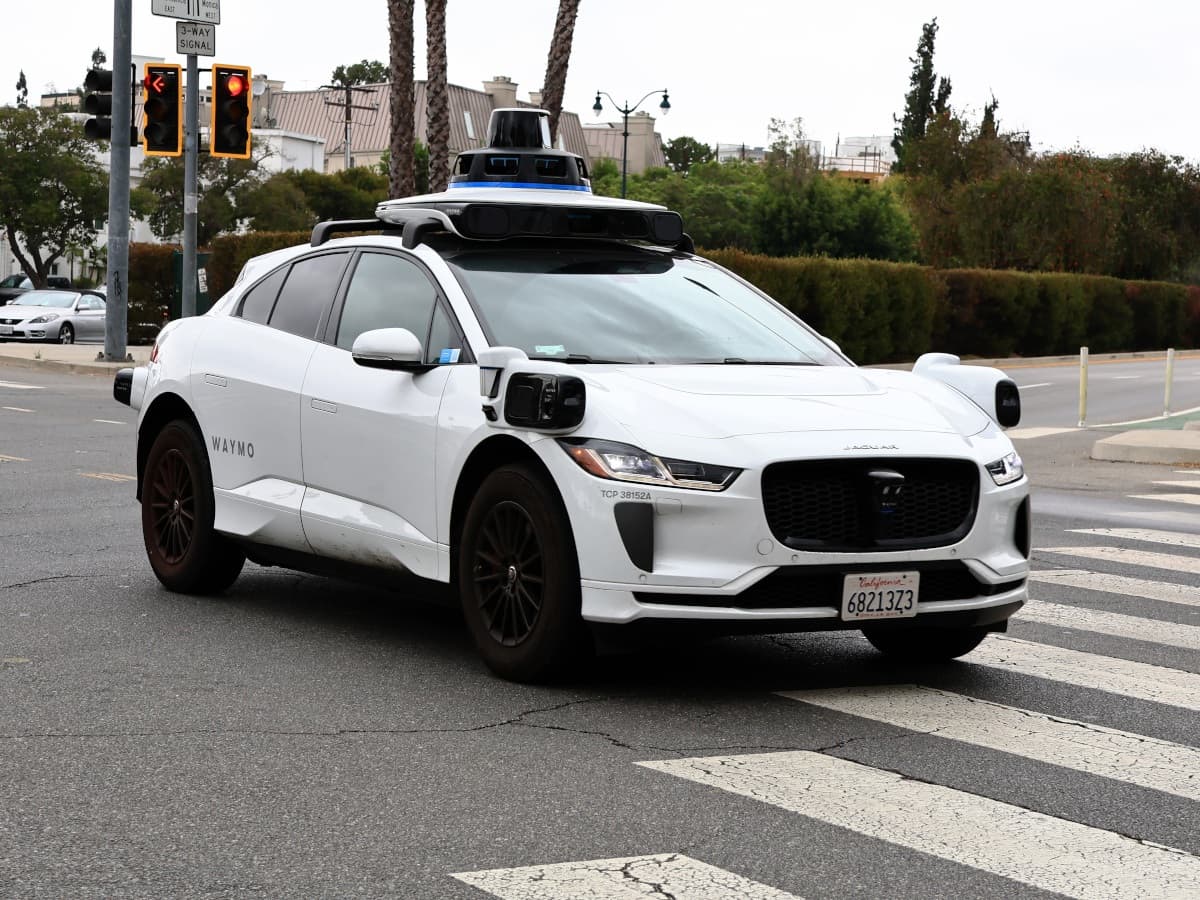
Waymo to Launch Commercial Robotaxi Services in Munich by Late 2027
Why it matters
Waymo's expansion into Europe signals a significant step in the global adoption of autonomous vehicle technology, potentially transforming urban transportation landscapes.
What happened (in 30 seconds)
- Waymo announced it will launch commercial driverless robotaxi services in Munich by late 2027.
- Testing begins in August 2026 with manual mapping and vehicle adaptations to local conditions.
- Collaboration with regulators ensures compliance with Germany's Level 4 autonomous driving legislation.
The context you actually need
- Germany leads the EU in autonomous vehicle legislation, having enacted Level 4 regulations in 2021.
- Waymo's international growth includes operations in the UK and Japan, with Munich being its first EU market.
- Safety data shows Waymo vehicles experience 16 times fewer serious crashes than human-driven vehicles, highlighting the potential for enhanced road safety.
What's really happening
Waymo's entry into the Munich market is a calculated move that aligns with broader trends in the autonomous vehicle (AV) sector. The company, a subsidiary of Alphabet, has been at the forefront of AV technology in the U.S., accumulating millions of autonomous miles across various cities. The decision to expand into Europe comes after Germany established a regulatory framework for Level 4 autonomous vehicles, making it the first EU country to do so. This legislation allows for the operation of fully autonomous vehicles under specific conditions, paving the way for companies like Waymo to test and deploy their technologies.
The phased rollout in Munich will begin with manual control by trained specialists, who will create high-definition maps and adapt the Waymo Driver system to the local environment. This initial phase is crucial for ensuring that the technology can navigate the unique challenges of Munich's urban landscape. Following this, Waymo plans to conduct supervised autonomous testing, gradually increasing public access before launching full commercial operations by late 2027, pending regulatory approvals.
Bavarian officials have expressed strong support for this initiative, emphasizing the region's leadership in autonomous driving and the potential for job creation and safety improvements. The collaboration with federal, state, and local regulators is essential for ensuring compliance and public safety, which are paramount in the deployment of such technologies. As Waymo engages with authorities for the necessary permits, the focus remains on creating a safe and efficient transportation alternative.
The implications of this development extend beyond Munich. As Waymo and other AV companies continue to innovate and expand, they are likely to influence mobility strategies in other regions, including the Middle East. Although there are no direct operational impacts identified for Dubai residents at this time, advancements in AV technology could inform future transportation initiatives in the region.
Who feels it first (and how)
- Urban commuters: Potentially gain access to safer, more efficient transportation options.
- Local businesses: May benefit from increased foot traffic and new economic opportunities.
- Regulatory bodies: Will need to adapt and streamline regulations to accommodate new technologies.
- Tech industry professionals: Opportunities for job creation in AV technology and related sectors.
What to watch next
- Regulatory developments: Monitor how German authorities adapt regulations to facilitate AV deployment, as this could set precedents for other countries.
- Public acceptance: Watch for public sentiment towards autonomous vehicles in Munich, as this will influence future expansions.
- Safety metrics: Keep an eye on Waymo's safety data as operations commence, which will be critical in shaping perceptions of AV technology.
Waymo will begin manual mapping and testing in Munich by late August 2026.
The phased rollout will lead to full commercial operations by late 2027, pending regulatory approvals.
The long-term impact on local transportation systems and public acceptance of AVs remains uncertain.
Frequently Asked Questions
- Why it matters?
- Waymo's expansion into Europe signals a significant step in the global adoption of autonomous vehicle technology, potentially transforming urban transportation landscapes.
- What happened (in 30 seconds)?
- Waymo announced it will launch commercial driverless robotaxi services in Munich by late 2027. Testing begins in August 2026 with manual mapping and vehicle adaptations to local conditions. Collaboration with regulators ensures compliance with Germany's Level 4 autonomous driving legislation.
- What's really happening?
- Waymo's entry into the Munich market is a calculated move that aligns with broader trends in the autonomous vehicle (AV) sector. The company, a subsidiary of Alphabet, has been at the forefront of AV technology in the U.S., accumulating millions of autonomous miles across various cities. The decision to expand into Europe comes after Germany established a regulatory framework for Level 4 autonomous vehicles, making it the first EU country to do so. This legislation allows for the operation of fu
- Who feels it first (and how)?
- Urban commuters: Potentially gain access to safer, more efficient transportation options. Local businesses: May benefit from increased foot traffic and new economic opportunities. Regulatory bodies: Will need to adapt and streamline regulations to accommodate new technologies. Tech industry professionals: Opportunities for job creation in AV technology and related sectors.
- What to watch next?
- Regulatory developments: Monitor how German authorities adapt regulations to facilitate AV deployment, as this could set precedents for other countries. Public acceptance: Watch for public sentiment towards autonomous vehicles in Munich, as this will influence future expansions. Safety metrics: Keep an eye on Waymo's safety data as operations commence, which will be critical in shaping perceptions of AV technology.
Tech, science, and startup news including AI.
"Irish tech outlet covering innovation and AI."
— A47 Editor
Waymo to introduce driverless rides in Germany by end of 2027
Waymo has announced plans to introduce driverless ride-hailing services in Munich, Germany, by the end of 2027, marking its first entry into the European market and its third international expansion. This initiative aligns with the company's strategy...
Startup news with frequent AI coverage.
"Covers launches, funding, and product updates in AI."
— A47 Editor
Waymo robotaxis are headed to Munich
Waymo has announced plans to launch its driverless robotaxi services in Munich, Germany, by the end of 2027, marking a significant step in its international expansion strategy. This move aligns with Germany's favorable regulations for autonomous vehi...
Consumer technology news with AI coverage.
"Gadget and tech site reporting on AI in products."
— A47 Editor
Waymo is expanding to Germany, with service in Munich planned for 2027
Waymo has announced plans to expand its operations to Germany, specifically targeting Munich for the launch of its driverless robotaxi services in 2027. This move follows the establishment of subsidiaries in several European countries as part of its ...
Covers consumer technology, electronics, gadgets, and product reviews.
"Engadget is a trusted source for gadget reviews and consumer tech news, known for its hands-on analysis and industry coverage."
— A47 Editor
Waymo is expanding to Germany, with service in Munich planned for 2027
Waymo has announced plans to expand its operations to Germany, specifically targeting Munich for the launch of its driverless robotaxi services in 2027. This move follows the establishment of subsidiaries in several European countries as part of its ...