
Meta Updates Ray-Ban Smart Glasses Firmware to Enhance Privacy Protections
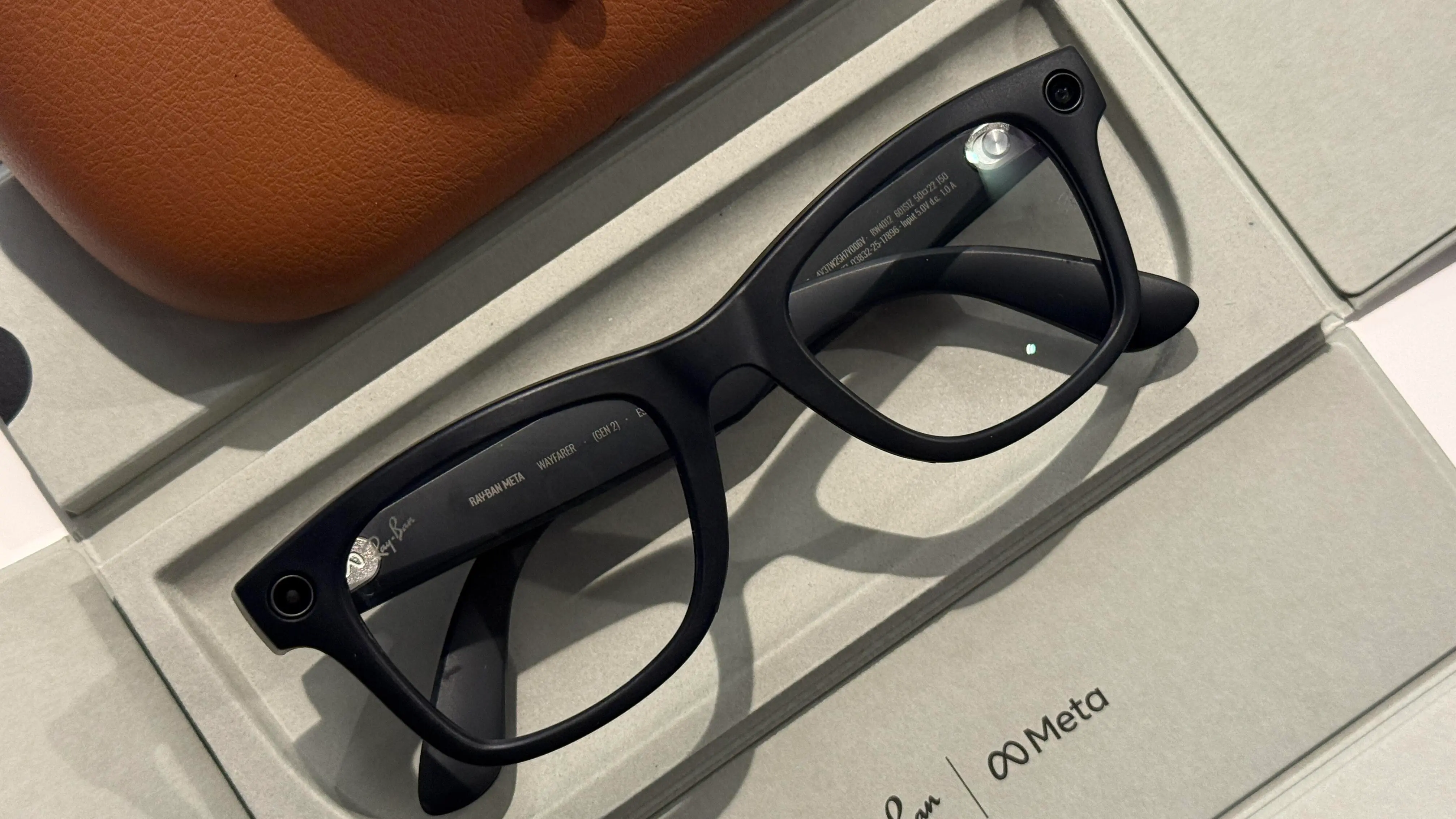
Here's what it means for you.
As smart glasses evolve, understanding their privacy implications is crucial for users and bystanders alike.
Why it matters
This update reflects growing consumer demand for privacy in wearable technology, impacting how companies design and market smart devices.
What happened (in 30 seconds)
- On August 28, 2026, Meta rolled out a firmware update for Ray-Ban smart glasses to disable the camera if the LED indicator is covered during recording.
- This update follows a previous release in July 2026 that addressed a similar privacy loophole, marking two updates in under two months.
- Meta's announcement coincides with an educational campaign to inform users about the LED's function and the importance of consent in recording.
The context you actually need
- Smart glasses have faced scrutiny since their launch, with concerns about non-consensual recording and data privacy becoming increasingly prominent.
- Public backlash has intensified, leading to social media campaigns and regulatory interest, particularly as competitors prepare to enter the market.
- Meta's iterative updates aim to restore consumer trust and address privacy concerns while maintaining a competitive edge in the wearables market.
What's really happening
Meta's recent firmware update for Ray-Ban smart glasses is a direct response to escalating privacy concerns surrounding wearable technology. The initial launch of these smart glasses was met with skepticism, primarily due to their ability to record discreetly, raising alarms about non-consensual filming. The backlash intensified throughout 2026, with social media campaigns labeling the devices as "pervert glasses" and prompting investigations into their data handling practices.
In July 2026, Meta attempted to address these concerns by implementing a mandatory update that disabled the camera if the LED indicator was physically tampered with. However, users quickly discovered a workaround: they could start recording and then cover the LED, effectively bypassing the safeguards. This loophole highlighted the ongoing struggle between innovation and privacy, prompting Meta to act swiftly.
The August 28 update closes this gap by ensuring that if the LED is obscured during recording, the camera will automatically stop capturing. This move not only enhances user privacy but also aims to reassure bystanders that they are not being recorded without consent. The simultaneous launch of an educational campaign underscores Meta's commitment to transparency and user awareness, emphasizing the importance of the LED indicator.
Meta's approach reflects a broader trend in the tech industry, where companies are increasingly held accountable for user privacy. As competitors like Google and Samsung prepare to release their own camera-enabled glasses, the pressure is on for all players in the market to prioritize privacy features. The iterative nature of Meta's updates suggests a long-term strategy to build consumer trust while navigating the complex landscape of wearable technology.
The implications of these updates extend beyond just Meta and its products. They signal a shift in consumer expectations, where privacy is no longer an afterthought but a fundamental aspect of product design. As users become more aware of their rights and the potential for misuse of technology, companies will need to adapt or risk losing market share.
Who feels it first (and how)
- Smart glasses users: Directly impacted by the updates, they gain enhanced privacy protections.
- Bystanders: Increased awareness of recording practices may lead to greater comfort in public spaces.
- Regulatory bodies: Heightened scrutiny on privacy practices may lead to new regulations affecting the tech industry.
- Competitors: Companies like Google and Samsung must respond to Meta's moves to ensure their products meet consumer expectations.
What to watch next
- Future firmware updates: Monitor Meta's ongoing commitment to privacy enhancements and how they evolve in response to user feedback.
- Regulatory developments: Watch for potential new laws or guidelines regarding wearable technology and privacy, particularly in the U.S. and Europe.
- Market reactions: Observe how competitors respond to Meta's updates and whether they implement similar privacy measures in their upcoming products.
Meta has released two privacy-focused firmware updates in under two months.
Continued public scrutiny and regulatory interest in smart glasses privacy practices will persist.
The long-term market impact of these updates on sales and consumer trust remains to be seen.
Frequently Asked Questions
- Why it matters?
- This update reflects growing consumer demand for privacy in wearable technology, impacting how companies design and market smart devices.
- What happened (in 30 seconds)?
- On August 28, 2026, Meta rolled out a firmware update for Ray-Ban smart glasses to disable the camera if the LED indicator is covered during recording. This update follows a previous release in July 2026 that addressed a similar privacy loophole, marking two updates in under two months. Meta's announcement coincides with an educational campaign to inform users about the LED's function and the importance of consent in recording.
- What's really happening?
- Meta's recent firmware update for Ray-Ban smart glasses is a direct response to escalating privacy concerns surrounding wearable technology. The initial launch of these smart glasses was met with skepticism, primarily due to their ability to record discreetly, raising alarms about non-consensual filming. The backlash intensified throughout 2026, with social media campaigns labeling the devices as "pervert glasses" and prompting investigations into their data handling practices. In July 2026, Me
- Who feels it first (and how)?
- Smart glasses users: Directly impacted by the updates, they gain enhanced privacy protections. Bystanders: Increased awareness of recording practices may lead to greater comfort in public spaces. Regulatory bodies: Heightened scrutiny on privacy practices may lead to new regulations affecting the tech industry. Competitors: Companies like Google and Samsung must respond to Meta's moves to ensure their products meet consumer expectations.
- What to watch next?
- Future firmware updates: Monitor Meta's ongoing commitment to privacy enhancements and how they evolve in response to user feedback. Regulatory developments: Watch for potential new laws or guidelines regarding wearable technology and privacy, particularly in the U.S. and Europe. Market reactions: Observe how competitors respond to Meta's updates and whether they implement similar privacy measures in their upcoming products.
Latest tech news, product reviews, and analysis for consumers and professionals.
"CNET delivers accessible and detailed technology reporting, including trusted product reviews and how-to guides."
— A47 Editor
Meta Keeps Trying to Fix Glasses Privacy Concerns With New Update
Meta has introduced another update for its smart glasses, aiming to enhance user privacy by ensuring that recording ceases when the device's light is off. This update follows growing concerns about the potential misuse of the glasses for covert recor...
In-depth reporting on tech, policy, and science including AI.
"Respected analysis for technically savvy readers, including AI topics."
— A47 Editor
Meta makes AI glasses slightly less creepy with limit on nonconsensual recording
Meta has introduced an update to its AI-powered smart glasses, ensuring that the device will stop recording when the front-facing LED light is covered. This change is aimed at addressing privacy concerns that have arisen due to the potential for nonc...
In-depth coverage of hardware, software, science, and policy.
"Ars Technica provides expert technology news, hardware reviews, and analysis for a technically savvy audience."
— A47 Editor
Meta makes AI glasses slightly less creepy with limit on nonconsensual recording
Meta has introduced an update to its AI-powered smart glasses, ensuring that the device will stop recording when the front-facing LED light is covered. This change is aimed at addressing privacy concerns that have arisen due to the potential for nonc...
Consumer tech news, reviews, and buying guides for gadgets and electronics.
"TechRadar is known for comprehensive buying advice, hardware reviews, and consumer tech news targeted at mainstream audiences."
— A47 Editor
Meta has a fresh update to stop people from turning Meta Smart Glasses into pervert glasses — and the updates will keep coming
Meta has introduced a new update aimed at preventing the misuse of its Smart Glasses, which have faced scrutiny for potential privacy violations. The company is committed to ongoing updates to enhance user privacy and security.
Consumer tech and culture with frequent AI coverage.
"Influential tech outlet covering AI products and policy."
— A47 Editor
Meta addresses ‘pervert glasses’ reputation with a privacy fix and a new marketing campaign
Meta has announced an update to its AI-powered smart glasses, addressing privacy concerns by ensuring that the camera will stop recording if the front-facing LED light is covered. This change, communicated by Alex Himel, Meta's vice president of augm...
Tech news, reviews, and analysis of consumer electronics, science, art, and culture.
"The Verge is a technology-focused media outlet known for in-depth reporting, product reviews, and coverage of the intersection between technology and culture."
— A47 Editor
Meta addresses ‘pervert glasses’ reputation with a privacy fix and a new marketing campaign
Meta has announced an update to its AI-powered smart glasses, addressing privacy concerns by ensuring that the camera will stop recording if the front-facing LED light is covered. This change, communicated by Alex Himel, Meta's vice president of augm...
Covers consumer technology, electronics, gadgets, and product reviews.
"Engadget is a trusted source for gadget reviews and consumer tech news, known for its hands-on analysis and industry coverage."
— A47 Editor
Meta is closing a loophole that allowed people to record with their smart glasses' light covered
Meta is taking steps to enhance privacy by closing a loophole that previously allowed users of its smart glasses to record while the device's light was covered. This update marks the second significant change in less than two months aimed at addressi...
Consumer technology news with AI coverage.
"Gadget and tech site reporting on AI in products."
— A47 Editor
Meta is closing a loophole that allowed people to record with their smart glasses' light covered
Meta is taking steps to enhance privacy by closing a loophole that previously allowed users of its smart glasses to record while the device's light was covered. This update marks the second significant change in less than two months aimed at addressi...