
NASA Roman Space Telescope's Coronagraph Instrument Set for Groundbreaking Exoplanet Imaging Tests
Here's what it means for you.
As advancements in space imaging technology unfold, industries related to astronomy, satellite communications, and even climate monitoring may see transformative impacts.
Why it matters
This technology could redefine our understanding of exoplanets, influencing future space missions and scientific research.
What happened (in 30 seconds)
- On August 29, 2026, NASA's Nancy Grace Roman Space Telescope tested its advanced coronagraph instrument.
- This instrument features the first active deformable mirrors flown in space, enhancing starlight suppression capabilities.
- The technology aims to directly image reflected light from exoplanets, paving the way for future missions targeting Earth-like worlds.
The context you actually need
- Previous space coronagraphs on Hubble and James Webb were limited to passive designs, focusing on brighter, younger exoplanets.
- Ground-based observatories have utilized adaptive optics to counter atmospheric distortion, but space systems lacked active wavefront control for cooler planets.
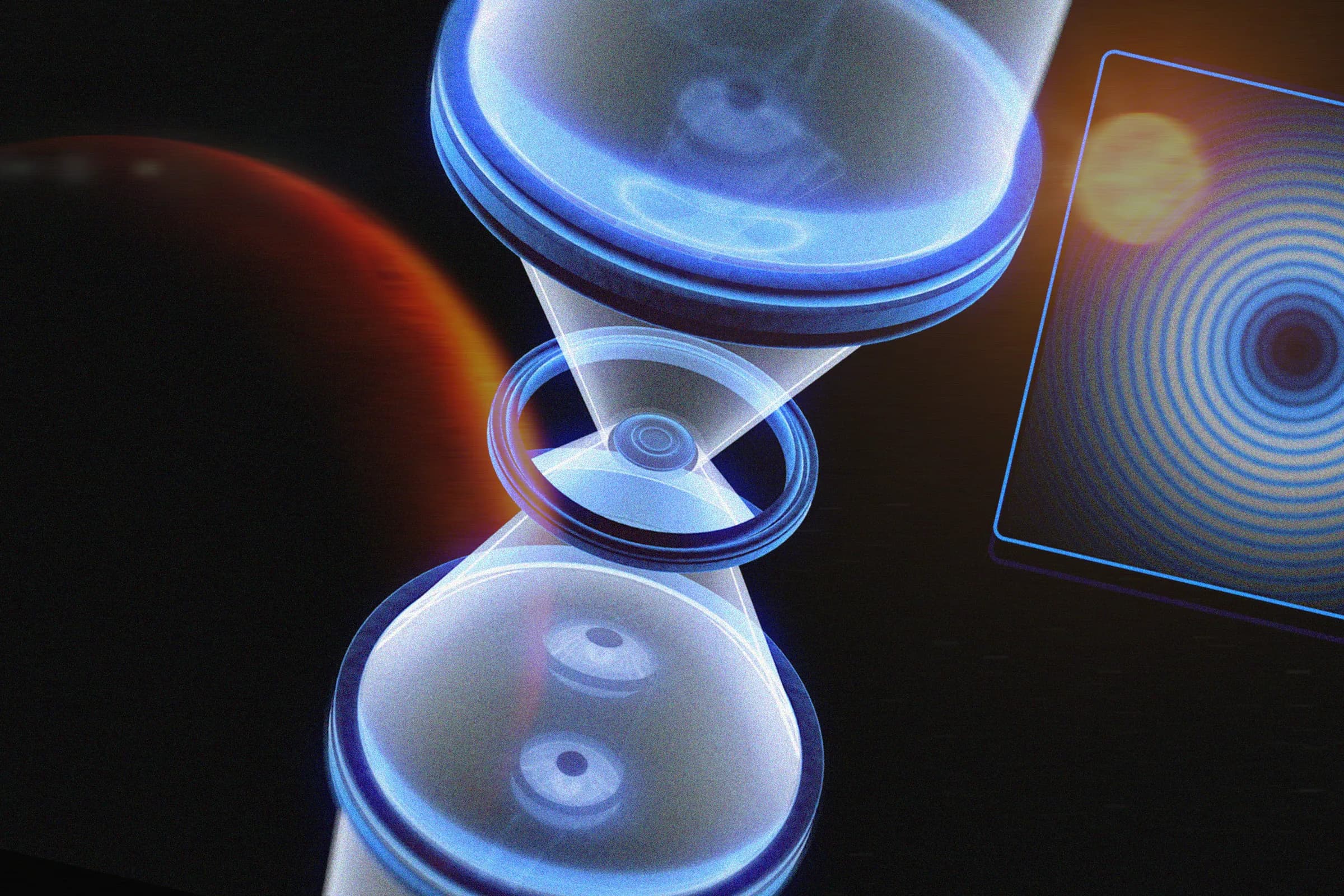
- Roman's coronagraph integrates two palm-sized deformable mirrors with 2,300 actuators each, enabling real-time optical corrections.
What's really happening
The Roman Coronagraph Instrument represents a significant leap in space imaging technology, integrating two advanced deformable mirrors that allow for active wavefront control. Each mirror is equipped with approximately 2,300 actuators, enabling real-time adjustments to optical distortions. This capability is crucial for suppressing starlight, allowing astronomers to detect faint reflected light from distant exoplanets. The coronagraph's design aims to achieve starlight suppression levels up to 100–1,000 times better than previous space instruments, which is essential for imaging Earth-like worlds.
The integration of this technology at NASA's Goddard Space Flight Center marks a pivotal moment in the evolution of space telescopes. The coronagraph will undergo rigorous testing on known exoplanets and debris disks, collecting data that will refine future designs and enhance the capabilities of subsequent missions, such as the planned Habitable Worlds Observatory. This mission aims to explore potentially habitable planets beyond our solar system, making the advancements in imaging technology critical for future discoveries.
The implications of this technology extend beyond astronomy. As the ability to image exoplanets improves, it could lead to breakthroughs in understanding planetary atmospheres, climate conditions, and the potential for life beyond Earth. This knowledge may influence various sectors, including climate science, satellite communications, and even tourism, as the public's interest in space exploration continues to grow.
Moreover, the successful deployment of the Roman Coronagraph Instrument could inspire further investments in space technology and research, fostering innovation and collaboration across multiple disciplines. As NASA prepares for the planned launch window opening no later than May 2027, the focus remains on technology maturation and the potential for groundbreaking discoveries in the field of exoplanet research.
Who feels it first (and how)
- Astronomers and astrophysicists: Enhanced capabilities for studying exoplanets and their atmospheres.
- Satellite communication companies: Potential improvements in technology that could affect satellite positioning and data transmission.
- Climate scientists: New insights into planetary atmospheres may inform climate models and Earth monitoring.
- Space enthusiasts and the general public: Increased interest in space exploration and potential tourism opportunities.
What to watch next
- Performance testing results: Monitoring the outcomes of the coronagraph's tests on known exoplanets will indicate its effectiveness and reliability.
- Technological advancements: Future developments in adaptive optics and imaging technology could lead to new applications in various fields.
- Public interest and funding: Increased public engagement in space exploration may drive funding and support for future missions.
The Roman Coronagraph Instrument integrates advanced deformable mirrors for improved imaging.
Enhanced imaging capabilities will lead to new discoveries in exoplanet research.
The long-term impact on related industries and public interest in space exploration remains to be seen.
Frequently Asked Questions
- Why it matters?
- This technology could redefine our understanding of exoplanets, influencing future space missions and scientific research.
- What happened (in 30 seconds)?
- On August 29, 2026, NASA's Nancy Grace Roman Space Telescope tested its advanced coronagraph instrument. This instrument features the first active deformable mirrors flown in space, enhancing starlight suppression capabilities. The technology aims to directly image reflected light from exoplanets, paving the way for future missions targeting Earth-like worlds.
- What's really happening?
- The Roman Coronagraph Instrument represents a significant leap in space imaging technology, integrating two advanced deformable mirrors that allow for active wavefront control. Each mirror is equipped with approximately 2,300 actuators, enabling real-time adjustments to optical distortions. This capability is crucial for suppressing starlight, allowing astronomers to detect faint reflected light from distant exoplanets. The coronagraph's design aims to achieve starlight suppression levels up to
- Who feels it first (and how)?
- Astronomers and astrophysicists: Enhanced capabilities for studying exoplanets and their atmospheres. Satellite communication companies: Potential improvements in technology that could affect satellite positioning and data transmission. Climate scientists: New insights into planetary atmospheres may inform climate models and Earth monitoring. Space enthusiasts and the general public: Increased interest in space exploration and potential tourism opportunities.
- What to watch next?
- Performance testing results: Monitoring the outcomes of the coronagraph's tests on known exoplanets will indicate its effectiveness and reliability. Technological advancements: Future developments in adaptive optics and imaging technology could lead to new applications in various fields. Public interest and funding: Increased public engagement in space exploration may drive funding and support for future missions.
Emerging technologies, digital transformation, IT, and cultural impact of tech.
"WIRED covers the intersection of technology, culture, and politics with a progressive, forward-looking editorial stance."
— A47 Editor
NASA’s Nancy Grace Roman Space Telescope Has a Hidden Technological Leap
NASA's Nancy Grace Roman Space Telescope is preparing to test advanced equipment that could play a pivotal role in the future discovery of Earthlike planets. This initiative is part of the telescope's broader mission to enhance astronomical observati...
Space science news, astronomy updates, and spaceflight developments.
"Space.com delivers space science news, astronomy updates, and spaceflight developments with engaging coverage."
— A47 Editor
Who was Nancy Grace Roman? NASA's next big space telescope is named after the 'Mother of Hubble'
NASA's Nancy Grace Roman Space Telescope is set to launch on August 30, 2026, from Cape Canaveral, marking a significant advancement in cosmic exploration. Named after Nancy Grace Roman, a pioneering astronomer known as the 'Mother of Hubble,' this t...
Scientific research, space, environment, and health coverage.
"The New York Times is a globally recognized newspaper offering authoritative reporting with a center-left editorial stance."
— A47 Editor
How a Canceled Spy Satellite Became NASA’s New Window Into the Universe
NASA's Nancy Grace Roman Space Telescope is set to launch on August 30, 2026, from Cape Canaveral, marking a significant advancement in cosmic exploration. This telescope, originally a canceled spy satellite, has been repurposed to study dark energy ...