
Columbia University researchers achieve precise gene editing in human embryos
Here's what it means for you.
The recent breakthrough in gene editing at Columbia University could revolutionize the approach to genetic diseases, offering new avenues for treatment. As this technology develops, it will likely influence regulatory frameworks and public policy surrounding genetic engineering. The ethical implications of such advancements will also be a focal point for discussions among scientists, ethicists, and the public. This achievement raises critical questions about the future of human genetics and the potential for eugenics, necessitating a careful examination of the moral responsibilities that accompany such power.
What happened
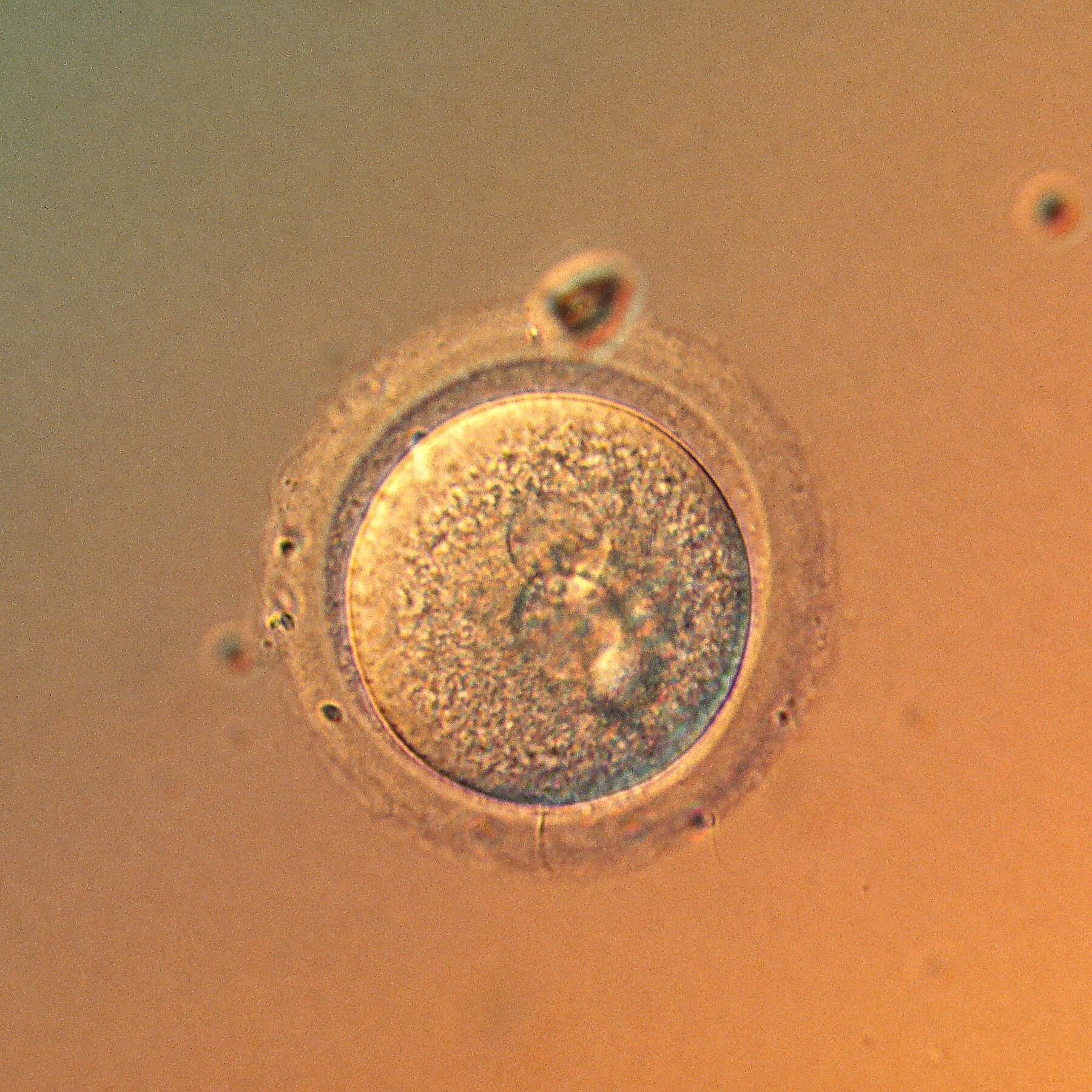
Researchers at Columbia University have successfully edited genes in a human embryo, marking a significant milestone in gene-editing technology. This achievement was made possible through a new technique that enhances precision in genetic modifications. The focus of the editing was on genes linked to LDL cholesterol and hemoglobin levels, which are crucial for understanding various health conditions.
This event represents the first instance of precise gene editing in a human embryo, showcasing the potential for targeted genetic interventions. The implications of this research extend beyond the laboratory, as it opens up discussions about the future of genetic modifications in humans.
The Context
The development of this gene-editing technique is a response to the growing need for more precise modifications in embryos, particularly concerning genetic disorders. The scientific community is increasingly aware of the ethical concerns surrounding genetic manipulation, especially regarding eugenics and the potential alteration of human traits.
As this research unfolds, stakeholders including scientists, ethicists, and policymakers will need to engage in dialogue about the implications of such advancements. The timing of this breakthrough coincides with heightened public interest in genetic engineering, making it a pivotal moment for both science and society.
Takeaway
The advancement in gene editing at Columbia University could lead to significant changes in how genetic diseases are approached, but it also necessitates careful ethical consideration. Future discussions will likely focus on regulatory responses to gene editing in embryos and public opinion on genetic engineering.
As the technology evolves, the balance between innovation and moral responsibility will be crucial in shaping the landscape of genetic research and its applications.
Tech business coverage, major deals, product launches, and Silicon Valley trends.
"WSJ’s tech section offers authoritative reporting on the intersection of technology and business, including exclusive industry analysis."
— A47 Editor
Scientist Edits Human Embryo Genes, but Questions Remain
Columbia University associate professor Dieter Egli has announced that his research team has successfully edited genes in a human embryo, marking a significant and controversial advancement in genetic engineering. This achievement raises ethical and ...
Public health, medical research, healthcare policy, and pharmaceutical developments.
"Dow Jones is a major financial news provider with a professional tone and broad coverage, including specialized health-sector reporting."
— A47 Editor
A scientist says his group has edited genes in an embryo, a landmark scientific move. The practice is controversial, because it raises the prospect of eugenics.
Dieter Egli, an associate professor at Columbia University, announced that his research group has successfully edited genes in an embryo, marking a significant advancement in genetic science. This development is controversial as it raises ethical con...
Health trends, medical research, and fitness reporting.
"The New York Times is a globally recognized newspaper offering authoritative reporting with a center-left editorial stance."
— A47 Editor
In a First, Scientists Precisely Edit Human Embryo Genes
Researchers have successfully utilized a new gene-editing technique to precisely alter genes in human embryos, specifically targeting those that affect LDL cholesterol and hemoglobin levels in the blood. This marks a significant advancement in geneti...
Scientific research, space, environment, and health coverage.
"The New York Times is a globally recognized newspaper offering authoritative reporting with a center-left editorial stance."
— A47 Editor
In a First, Scientists Precisely Edit Human Embryo Genes
Researchers have successfully utilized a new gene-editing technique to precisely alter genes in human embryos, specifically targeting those that affect LDL cholesterol and hemoglobin levels in the blood. This marks a significant advancement in geneti...