
U.S. Accuses Chinese AI Firms of Systematic Model Distillation Amid Rising Tensions
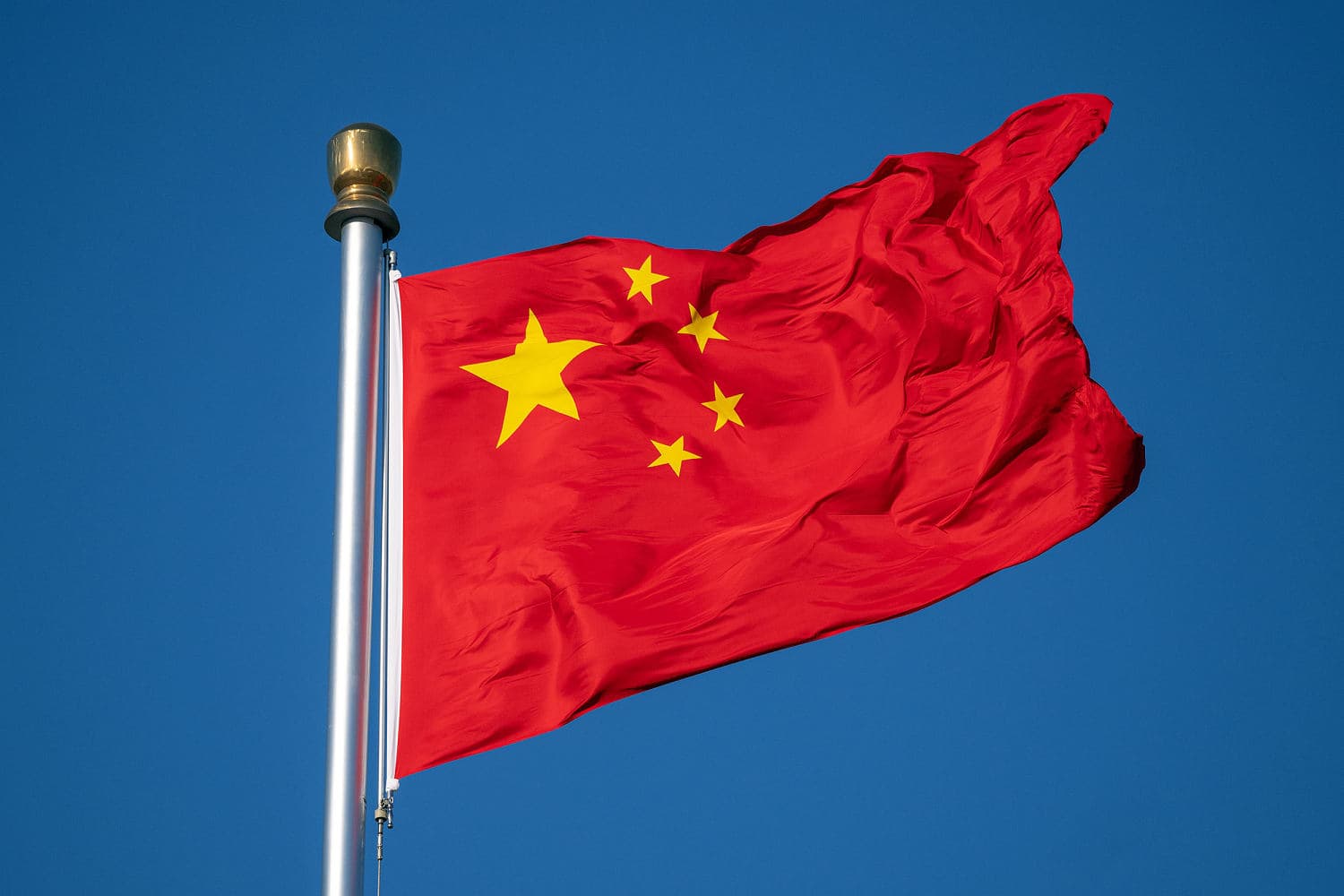
Here's what it means for you.
If you’re involved in tech or AI, the escalating tensions between the U.S. and China could reshape the landscape of innovation and investment.
Why it matters
The ongoing U.S.-China AI rivalry could lead to stricter regulations and market shifts that impact global technology supply chains.
What happened (in 30 seconds)
- On September 8, 2026, U.S. federal agencies accused six Chinese AI firms of systematically distilling capabilities from American AI models.
- China responded on September 9, 2026, rejecting the claims as groundless and warning of countermeasures while expressing a willingness for dialogue.
- The advisory highlights a critical moment in the U.S.-China tech race, coinciding with a planned summit between Trump and Xi.
The context you actually need
- The U.S. and China have been in a fierce competition over AI development, with accusations of intellectual property theft being a recurring theme.
- Distillation, a technique for training smaller models using outputs from larger ones, has been a focal point of contention since at least 2024.
- The Trump administration has framed Chinese advancements in AI as a national security threat, leading to increased scrutiny and regulatory measures.
What's really happening
The recent advisory from the FBI, NSA, and CISA marks a significant escalation in the U.S.-China tech rivalry, particularly in the realm of artificial intelligence. The advisory specifically names six Chinese firms—DeepSeek, Moonshot AI, Alibaba, MiniMax, StepFun, and Z.AI—accusing them of engaging in systematic model distillation. This practice involves extracting capabilities from advanced AI models like Anthropic’s Claude and OpenAI’s GPT series to enhance their own offerings. The U.S. agencies characterized this distillation as the "critical core" of the Chinese firms' development strategies, rather than a mere supplementary technique.
The implications of these accusations are profound. For U.S. companies, the advisory serves as a call to action, recommending enhanced user verification and alterations in response protocols for suspected malicious queries. This could lead to increased operational costs and a heightened focus on cybersecurity measures. For Chinese firms, the allegations represent a significant challenge, as they risk facing stricter export controls and sanctions that could stifle their growth and innovation.
China's rebuttal, delivered through its Ministry of Commerce and Ministry of Foreign Affairs, dismissed the U.S. claims as unfounded and indicative of American anxiety over China's self-reliance in AI. The Chinese government accused the U.S. of attempting to monopolize AI technology while asserting that distillation is a common practice in the global tech industry. This back-and-forth highlights the deep-seated mistrust and competitive dynamics at play, with both nations preparing for a high-stakes summit that could influence future AI policies.
As the situation unfolds, the potential for retaliatory measures from China looms large. The Chinese government has threatened resolute countermeasures against any U.S. suppression of its AI firms, which could escalate tensions further. The upcoming Trump-Xi summit will be a critical juncture, as both sides will need to navigate these complex issues while balancing national interests and global technological leadership.
Who feels it first (and how)
- Tech companies: Increased scrutiny and potential regulatory changes could affect operations and innovation strategies.
- Investors: Market volatility may arise as geopolitical tensions impact investment flows in AI sectors.
- Consumers: Potential disruptions in AI services and products could affect user experiences and access to technology.
What to watch next
- Bilateral AI discussions: The outcomes of the upcoming Trump-Xi summit could set the tone for future U.S.-China tech relations and regulatory frameworks.
- Regulatory changes: Watch for new policies or sanctions that could emerge from the U.S. in response to the allegations, impacting global AI markets.
- Market reactions: Monitor how investors and tech companies adjust their strategies in light of these tensions, particularly in AI development and cybersecurity.
The U.S. has accused six Chinese firms of systematic distillation of AI models.
Increased regulatory scrutiny and potential retaliatory measures from China.
The long-term impact on global AI supply chains and technology investments.
Frequently Asked Questions
- Why it matters?
- The ongoing U.S.-China AI rivalry could lead to stricter regulations and market shifts that impact global technology supply chains.
- What happened (in 30 seconds)?
- On September 8, 2026, U.S. federal agencies accused six Chinese AI firms of systematically distilling capabilities from American AI models. China responded on September 9, 2026, rejecting the claims as groundless and warning of countermeasures while expressing a willingness for dialogue. The advisory highlights a critical moment in the U.S.-China tech race, coinciding with a planned summit between Trump and Xi.
- What's really happening?
- The recent advisory from the FBI, NSA, and CISA marks a significant escalation in the U.S.-China tech rivalry, particularly in the realm of artificial intelligence. The advisory specifically names six Chinese firms—DeepSeek, Moonshot AI, Alibaba, MiniMax, StepFun, and Z.AI—accusing them of engaging in systematic model distillation. This practice involves extracting capabilities from advanced AI models like Anthropic’s Claude and OpenAI’s GPT series to enhance their own offerings. The U.S. agenci
- Who feels it first (and how)?
- Tech companies: Increased scrutiny and potential regulatory changes could affect operations and innovation strategies. Investors: Market volatility may arise as geopolitical tensions impact investment flows in AI sectors. Consumers: Potential disruptions in AI services and products could affect user experiences and access to technology.
- What to watch next?
- Bilateral AI discussions: The outcomes of the upcoming Trump-Xi summit could set the tone for future U.S.-China tech relations and regulatory frameworks. Regulatory changes: Watch for new policies or sanctions that could emerge from the U.S. in response to the allegations, impacting global AI markets. Market reactions: Monitor how investors and tech companies adjust their strategies in light of these tensions, particularly in AI development and cybersecurity.
In-depth reporting on tech, policy, and science including AI.
"Respected analysis for technically savvy readers, including AI topics."
— A47 Editor
Six Chinese AI firms accused of aggressively copying US frontier models
Six Chinese AI firms have been accused of aggressively copying advanced models developed in the United States, prompting the U.S. government to urge American companies to identify and covertly switch Chinese users to less capable AI models. This move...
In-depth coverage of hardware, software, science, and policy.
"Ars Technica provides expert technology news, hardware reviews, and analysis for a technically savvy audience."
— A47 Editor
Six Chinese AI firms accused of aggressively copying US frontier models
Six Chinese AI firms have been accused of aggressively copying advanced models developed in the United States, prompting the U.S. government to urge American companies to identify and covertly switch Chinese users to less capable AI models. This move...
Comprehensive coverage of Middle Eastern and global issues.
"Al Jazeera is a prominent voice from the Global South, especially the Middle East, with an emphasis on underreported stories."
— A47 Editor
China slams US claims of ‘industrial-scale’ AI theft
China has strongly criticized recent claims made by U.S. agencies that accused Chinese AI companies of engaging in 'industrial-scale' theft of American AI models. This response follows allegations from the U.S. government that six Chinese firms syste...
Tech business coverage, major deals, product launches, and Silicon Valley trends.
"WSJ’s tech section offers authoritative reporting on the intersection of technology and business, including exclusive industry analysis."
— A47 Editor
Is China Stealing American AI? Why ‘Distillation’ Has Washington Up in Arms
U.S. security agencies have accused six Chinese AI companies of systematically exploiting American artificial intelligence models to enhance their own systems, raising significant concerns in Washington regarding national security and intellectual pr...
Technology innovations, startups, and trends.
"ABC News delivers broad national coverage with a mainstream editorial stance, focusing on accessibility and balanced reporting."
— A47 Editor
China hits back at US claims of 'malicious' AI distillation ahead of planned talks
China has rejected U.S. allegations that its artificial intelligence developers are maliciously extracting capabilities from advanced American AI systems, asserting that such claims are unfounded ahead of upcoming discussions between the two nations.
National headlines across the United States including breaking stories and societal issues.
"NBC News is a mainstream media outlet known for comprehensive national and international news coverage with a centrist to slightly left-leaning editorial tone."
— A47 Editor
U.S. agencies say top Chinese AI companies systematically copied American models
The U.S. government has accused six Chinese AI companies of systematically copying American AI models, marking a significant escalation in tensions over intellectual property and technology transfer. This accusation highlights ongoing concerns about ...
Comprehensive coverage of global events, politics, and international issues.
"NBC News is a mainstream outlet known for comprehensive national and international coverage with a centrist to slightly left-leaning editorial tone."
— A47 Editor
China hits back at U.S. claim its AI companies systematically copied American models
The U.S. government has accused six Chinese AI companies of systematically copying American models, marking a significant escalation in tensions between the two nations over intellectual property and technology. This accusation is part of a broader n...
Macro commentary, policy analysis, growth/inflation themes, and global outlooks.
"Contextual macro coverage that complements day-to-day market headlines."
— A47 Editor
US accuses Chinese AI firms of ’malicious’ copying of AI technology
The US has accused Chinese AI firms of maliciously copying artificial intelligence technology, raising significant concerns about intellectual property theft and competitive fairness in the tech industry. This accusation comes amid escalating tension...
Conservative-leaning political and national coverage.
"The Washington Times is a conservative-leaning newspaper known for its political coverage and advocacy of right-of-center viewpoints."
— A47 Editor
Chinese government linked to massive AI tech theft from American tech companies
U.S. intelligence and security authorities have revealed that Chinese artificial intelligence companies are involved in the theft of AI technology from American tech firms, with the Beijing government allegedly providing support for these activities....