
Xi Jinping Proposes BRICS AI Open-Source Community at 2026 New Delhi Summit
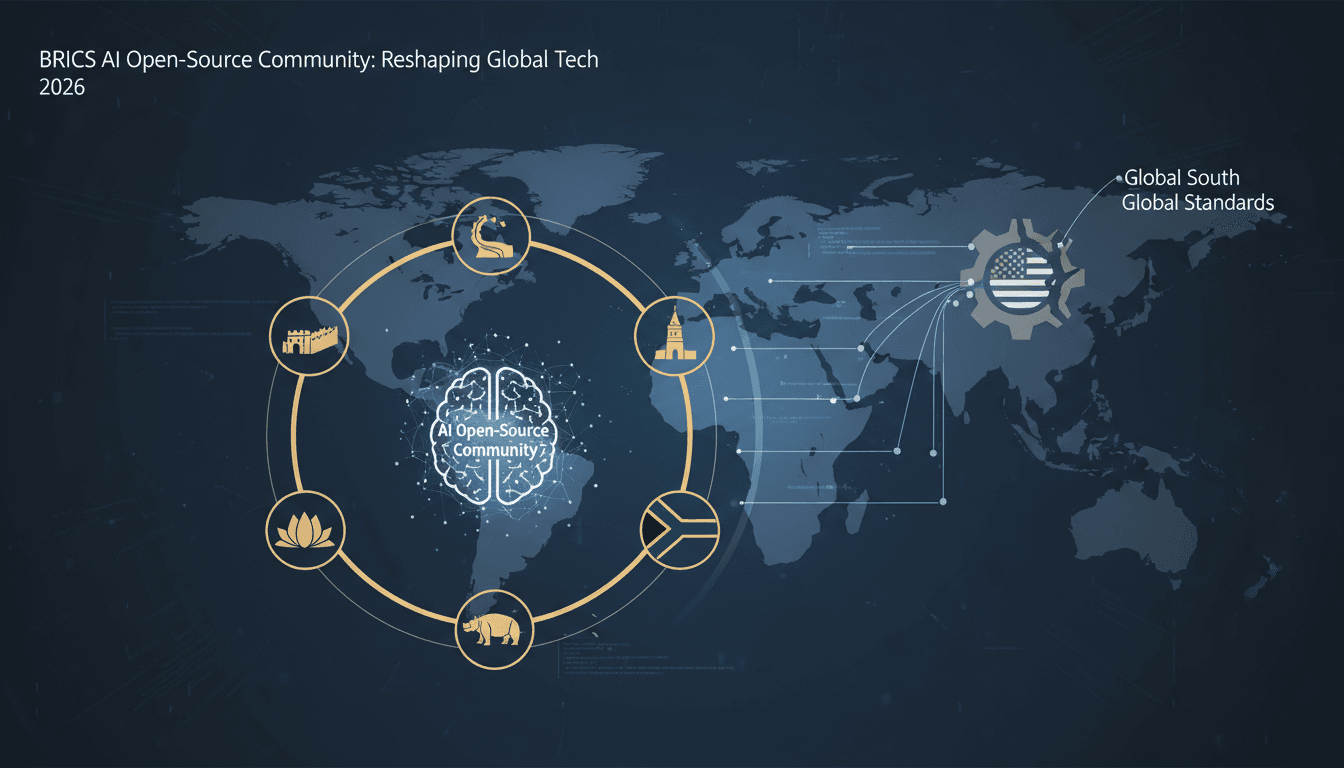
Why it matters
This proposal signals a strategic shift in global AI governance, potentially impacting competition and collaboration in technology.
What happened (in 30 seconds)
- On September 13, 2026, Xi Jinping proposed a BRICS AI open-source community during the 18th BRICS Summit in New Delhi.
- The initiative aims to enhance cooperation among BRICS nations through AI development, training programs, and an open ecosystem.
- China's push for this community comes amid rising competition with the U.S. over AI standards and governance.
The context you actually need
- China's technological influence is expanding in the Global South, positioning itself as a leader in AI development through initiatives like the World AI Cooperation Organization.
- BRICS, now expanded, serves as a platform for countries in the Global South to coordinate on technology and trade, emphasizing multipolarity in global governance.
- The proposal reflects broader concerns about technology weaponization and the need for safeguards in AI development, as highlighted by Indian Prime Minister Narendra Modi.
What's really happening
At the 18th BRICS Summit, Xi Jinping outlined a five-point plan aimed at fostering collaboration among member states in the realm of artificial intelligence. This plan includes the establishment of an open-source AI community, which is designed to facilitate the development and application of large language models, conduct AI seminars, and implement training programs. The initiative is part of China's broader strategy to enhance its technological influence, particularly in the Global South, while simultaneously competing with the United States over AI governance and standards.
The proposal comes at a time when the U.S.-China rivalry is intensifying, particularly in the tech sector. By promoting open-source models, China is positioning itself as an alternative to proprietary U.S. systems, which have dominated the AI landscape. The establishment of the World AI Cooperation Organization in July 2026, which already has 29 member countries, is a testament to China's commitment to fostering international collaboration in AI, albeit under its leadership.
During the summit, the joint declaration emphasized general cooperation on AI resources, focusing on access, safety, and reliability. However, it notably avoided explicit endorsement of Xi's proposal, reflecting a cautious approach among BRICS members. India, in particular, raised concerns about the potential weaponization of technology and critical minerals, indicating a wariness about the implications of such collaborations.
While the proposal is still under discussion, it highlights a significant shift in how emerging economies are approaching technology and innovation. By creating an open-source community, BRICS nations could potentially democratize access to AI tools and resources, leveling the playing field against more developed nations. However, the lack of immediate endorsements or market shifts suggests that the proposal's implementation may face hurdles, including differing national interests and concerns over technology governance.
Who feels it first (and how)
- Tech companies in BRICS nations may gain early access to open-source AI tools and training programs.
- Government agencies could leverage new AI standards for public services and infrastructure projects.
- Educational institutions may benefit from enhanced training programs, fostering a new generation of AI talent.
- Businesses in emerging markets could see improved competitiveness through access to advanced AI technologies.
What to watch next
- Endorsements from BRICS members: Look for any formal support or commitment from member countries regarding the open-source community, which will indicate its viability.
- Developments in the World AI Cooperation Organization: Monitor how this organization evolves and whether it attracts more countries, which could influence global AI standards.
- Responses from the U.S. and allies: Watch for any countermeasures or initiatives from the U.S. and its allies aimed at maintaining their influence in the AI sector.
The proposal was made during the BRICS Summit and is part of a broader strategy by China to enhance its technological influence.
The proposal will continue to be discussed among BRICS members, with varying levels of support and concern.
The specific implementation details and timeline for the open-source community remain uncertain.
Frequently Asked Questions
- Why it matters?
- This proposal signals a strategic shift in global AI governance, potentially impacting competition and collaboration in technology.
- What happened (in 30 seconds)?
- On September 13, 2026, Xi Jinping proposed a BRICS AI open-source community during the 18th BRICS Summit in New Delhi. The initiative aims to enhance cooperation among BRICS nations through AI development, training programs, and an open ecosystem. China's push for this community comes amid rising competition with the U.S. over AI standards and governance.
- What's really happening?
- At the 18th BRICS Summit, Xi Jinping outlined a five-point plan aimed at fostering collaboration among member states in the realm of artificial intelligence. This plan includes the establishment of an open-source AI community, which is designed to facilitate the development and application of large language models, conduct AI seminars, and implement training programs. The initiative is part of China's broader strategy to enhance its technological influence, particularly in the Global South, whil
- Who feels it first (and how)?
- Tech companies in BRICS nations may gain early access to open-source AI tools and training programs. Government agencies could leverage new AI standards for public services and infrastructure projects. Educational institutions may benefit from enhanced training programs, fostering a new generation of AI talent. Businesses in emerging markets could see improved competitiveness through access to advanced AI technologies.
- What to watch next?
- Endorsements from BRICS members: Look for any formal support or commitment from member countries regarding the open-source community, which will indicate its viability. Developments in the World AI Cooperation Organization: Monitor how this organization evolves and whether it attracts more countries, which could influence global AI standards. Responses from the U.S. and allies: Watch for any countermeasures or initiatives from the U.S. and its allies aimed at maintaining their influence in t
News and guidance for IT pros on AI adoption.
"Enterprise-focused tips, explainers, and news for professionals."
— A47 Editor
President Xi Jinping Proposes BRICS AI Open-Source Zone as China Expands Tech Influence
President Xi Jinping has proposed the establishment of a BRICS open-source AI community, aiming to enhance technology cooperation among member nations as China seeks to expand its influence in the global AI landscape. This initiative reflects China's...
Curated tech headlines including AI stories.
"Influential aggregator surfacing the day’s top tech/AI links."
— A47 Editor
Xi Jinping calls for a "consensus-based global AI governance framework" and says China will pioneer the establishment of a BRICS AI open-source community (Joanna Ossinger/CNBC)
Chinese President Xi Jinping has called for a consensus-based global AI governance framework and announced China's intention to lead the establishment of a BRICS AI open-source community, aiming to enhance collaboration among developing nations in ar...
Macro commentary, policy analysis, growth/inflation themes, and global outlooks.
"Contextual macro coverage that complements day-to-day market headlines."
— A47 Editor
Xi pushes China’s open-source AI vision at BRICS summit
At the recent BRICS summit, Chinese President Xi Jinping emphasized China's commitment to an open-source artificial intelligence (AI) vision, aiming to foster collaboration among member nations. This initiative reflects China's strategic focus on AI ...
Technology business and AI-related headlines.
"Data-driven tech newsroom with global scope."
— A47 Editor
Xi Pitches AI Vision at BRICS Summit as China Duels With US
At the recent BRICS summit, Chinese President Xi Jinping promoted China's vision for artificial intelligence (AI), positioning it as a counterbalance to U.S. influence in the technology sector. This initiative reflects China's strategic aim to assert...
Technology business news, market impacts, and innovation trends.
"Bloomberg is a premier financial and tech news provider, respected for its in-depth reporting and analytical rigor."
— A47 Editor
Xi Pitches AI Vision at BRICS Summit as China Duels With US
At the recent BRICS summit, Chinese President Xi Jinping promoted China's vision for artificial intelligence (AI), positioning it as a counterbalance to U.S. influence in the technology sector. This initiative reflects China's strategic aim to assert...
Regional coverage and analysis focused on politics, diplomacy, and business across the Middle East.
"Al-Monitor is known for analytical reporting on Middle East politics and policy developments."
— A47 Editor
Xi pushes 'Greater BRICS' economic ties to give bloc larger global role
Chinese President Xi Jinping announced new initiatives aimed at enhancing cooperation among the 'Greater BRICS' nations during a summit in New Delhi. The focus areas include artificial intelligence, trade, and various economic sectors, reflecting Chi...