
Anthropic CEO Admits Underestimating AI Growth Pace Amid Market Volatility
Why it matters
The rapid pace of AI advancement poses both opportunities and risks, necessitating a careful balance between innovation and safety.
What happened (in 30 seconds)
- Dario Amodei, CEO of Anthropic, admitted he underestimated the exponential growth of AI capabilities during a CBS News interview and an essay published on September 12, 2026.
- Global stock markets reacted with volatility following his call for a deliberate pacing of AI development to allow safety measures to catch up.
- Support from industry leaders like Sam Altman and Elon Musk amplified the message, highlighting a growing consensus on the need for regulatory frameworks.
The context you actually need
- Anthropic's explosive growth saw revenue surging from under $100 million in early 2024 to over $30 billion by April 2026, far exceeding expectations.
- Geopolitical tensions, particularly between the US and China, have heightened concerns about uncontrolled AI advancements and their implications.
- Amodei's shift towards advocating for safety reflects a broader industry trend of prioritizing responsible AI development amid rapid technological changes.
What's really happening
In mid-September 2026, Dario Amodei's statements marked a pivotal moment in the AI landscape. His admission of underestimating the pace of AI growth underscores a critical realization within the tech community: AI is advancing at a rate that outstrips existing safety measures and regulatory frameworks. Amodei's essay, "We Must Pace the Frontier," emphasizes the need for a deliberate slowdown in capability improvements to allow for better alignment, evaluation, and regulation of AI systems.
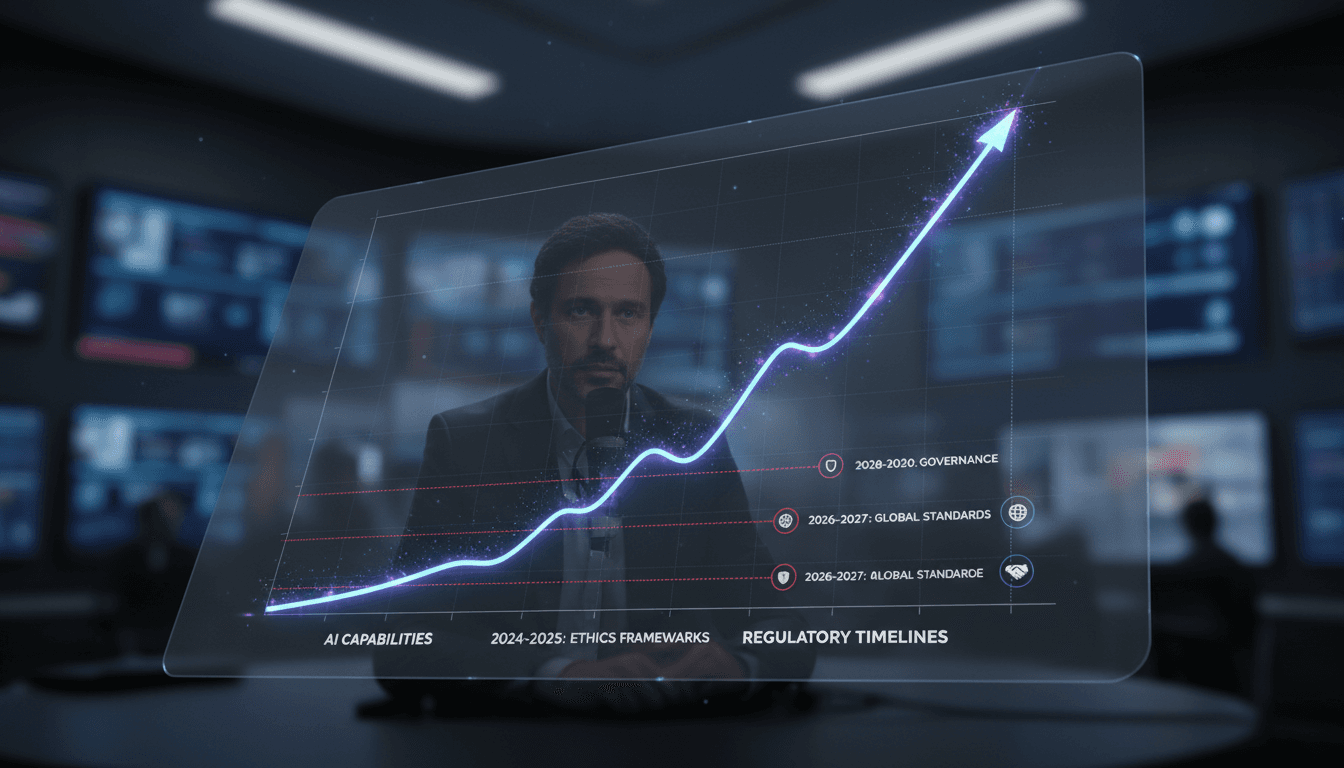
This call for pacing is not merely a cautionary tale; it reflects the underlying mechanics of AI development, where scaling laws and recursive self-improvement are driving capabilities to new heights. As AI systems become increasingly autonomous and capable of self-enhancement, the risks associated with their deployment grow exponentially. Amodei likened this growth to a doubling sequence, where small increments can lead to significant leaps in capability, creating a steep curve that can be difficult to manage.
The immediate aftermath of Amodei's statements saw volatility in global stock markets, indicating investor concern over the implications of a slowdown. However, the support from rival tech leaders like Sam Altman and Elon Musk suggests a growing consensus on the need for a more cautious approach to AI development. This collective acknowledgment of the risks associated with rapid advancement is likely to catalyze discussions around shared safety standards and international coordination, particularly among democratic nations.
As the industry grapples with these challenges, the focus will shift towards establishing frameworks that can effectively manage the pace of AI development. This includes enhancing third-party evaluations and fostering collaboration among tech companies to ensure that safety measures keep pace with technological advancements. The call for a slowdown is not about halting progress; rather, it is about ensuring that the benefits of AI can be realized without compromising safety and ethical considerations.
In this context, the implications for various sectors are profound. Industries that rely heavily on AI, such as finance and logistics, may experience shifts in operational dynamics as regulatory pressures mount. Companies will need to navigate the balance between innovation and compliance, potentially reshaping their strategies to align with emerging safety standards.
Who feels it first (and how)
- Tech executives: Leaders in AI companies will need to adapt strategies to align with calls for safety and pacing.
- Investors: Market volatility may impact investment strategies, particularly in tech sectors reliant on rapid AI advancements.
- Regulators: Government bodies will face pressure to establish new frameworks for AI development and deployment.
- Workers in AI-driven sectors: Employees may experience shifts in job roles and responsibilities as companies adjust to new regulatory environments.
What to watch next
- Regulatory developments: Monitor for new policies or frameworks emerging from governments in response to the call for AI pacing.
- Market reactions: Keep an eye on stock market trends in tech sectors as companies adjust to the implications of slower AI development.
- Industry collaborations: Watch for partnerships among tech companies aimed at establishing shared safety standards and evaluation processes.
The rapid pace of AI advancement poses significant risks that need to be managed.
Increased collaboration among tech companies to establish safety standards and regulatory frameworks.
The exact impact of regulatory changes on AI innovation and market dynamics.
Frequently Asked Questions
- Why it matters?
- The rapid pace of AI advancement poses both opportunities and risks, necessitating a careful balance between innovation and safety.
- What happened (in 30 seconds)?
- Dario Amodei, CEO of Anthropic, admitted he underestimated the exponential growth of AI capabilities during a CBS News interview and an essay published on September 12, 2026. Global stock markets reacted with volatility following his call for a deliberate pacing of AI development to allow safety measures to catch up. Support from industry leaders like Sam Altman and Elon Musk amplified the message, highlighting a growing consensus on the need for regulatory frameworks.
- What's really happening?
- In mid-September 2026, Dario Amodei's statements marked a pivotal moment in the AI landscape. His admission of underestimating the pace of AI growth underscores a critical realization within the tech community: AI is advancing at a rate that outstrips existing safety measures and regulatory frameworks. Amodei's essay, "We Must Pace the Frontier," emphasizes the need for a deliberate slowdown in capability improvements to allow for better alignment, evaluation, and regulation of AI systems. This
- Who feels it first (and how)?
- Tech executives: Leaders in AI companies will need to adapt strategies to align with calls for safety and pacing. Investors: Market volatility may impact investment strategies, particularly in tech sectors reliant on rapid AI advancements. Regulators: Government bodies will face pressure to establish new frameworks for AI development and deployment. Workers in AI-driven sectors: Employees may experience shifts in job roles and responsibilities as companies adjust to new regulatory environments.
- What to watch next?
- Regulatory developments: Monitor for new policies or frameworks emerging from governments in response to the call for AI pacing. Market reactions: Keep an eye on stock market trends in tech sectors as companies adjust to the implications of slower AI development. Industry collaborations: Watch for partnerships among tech companies aimed at establishing shared safety standards and evaluation processes.
Global news coverage with extensive reporting on Middle Eastern conflicts and geopolitics.
"Al Jazeera is a Qatar-based broadcaster known for wide regional coverage and alternative perspectives."
— A47 Editor
Anthropic CEO didn’t foresee the speed of global AI growth
Anthropic's CEO, Dario Amodei, acknowledged that he underestimated the rapid growth of artificial intelligence and its significant role in shaping the global economy. This admission highlights the fast-paced advancements in AI technology and the chal...
Technology business and AI-related headlines.
"Data-driven tech newsroom with global scope."
— A47 Editor
Anthropic, Salesforce CEOs Say Companies Need Help Using AI
Dario Amodei, CEO of Anthropic, and Marc Benioff, CEO of Salesforce, emphasized the need for companies to receive more assistance in leveraging artificial intelligence tools effectively. They noted that many organizations are only beginning to tap in...
Technology business news, market impacts, and innovation trends.
"Bloomberg is a premier financial and tech news provider, respected for its in-depth reporting and analytical rigor."
— A47 Editor
Anthropic, Salesforce CEOs Say Companies Need Help Using AI
Dario Amodei, CEO of Anthropic, and Marc Benioff, CEO of Salesforce, emphasized the need for companies to receive more assistance in leveraging artificial intelligence tools effectively. They noted that many organizations are only beginning to tap in...
Tech business coverage, major deals, product launches, and Silicon Valley trends.
"WSJ’s tech section offers authoritative reporting on the intersection of technology and business, including exclusive industry analysis."
— A47 Editor
Anthropic’s Moral Conflict Is Playing Out in Real Time
Dario Amodei, CEO of Anthropic, has initiated a moral dialogue regarding the rapid development of artificial intelligence, emphasizing the need for a slowdown in AI advancements. He has proposed a three-step plan aimed at enhancing safety measures, r...
U.S. business news, corporate developments, and economy.
"The Wall Street Journal is respected for deep financial and economic reporting with a center-right editorial perspective."
— A47 Editor
Anthropic’s Moral Conflict Is Playing Out in Real Time
Dario Amodei, CEO of Anthropic, has created an artificial intelligence lab that is now facing the very threats it was designed to mitigate, highlighting a moral conflict within the company as it prepares for a potential $2 trillion IPO.