
King Charles III Hosts AI Leaders for Ethical Development Discussions
Why it matters
This gathering signals a shift towards voluntary ethical standards in AI, potentially influencing global governance frameworks.
What happened (in 30 seconds)
- King Charles III hosted a private meeting at Dumfries House with AI executives and UK officials to discuss responsible AI development.
- Participants included leaders from OpenAI, Google DeepMind, and Nvidia, focusing on principles that prioritize human dignity and societal benefits.
- The discussions are ongoing and aim to establish voluntary guidelines rather than formal regulations, reflecting industry concerns over rapid AI advancements.
The context you actually need
- King Charles has a history of advocating for ethical technology use, emphasizing the importance of responsible AI during previous engagements.
- The UK government favors a light-touch regulatory approach, promoting voluntary cooperation among AI developers rather than strict regulations.
- Concerns about AI safety have intensified, with industry leaders calling for a more measured pace of development to ensure ethical considerations are prioritized.
What's really happening
In mid-September 2026, King Charles III convened a select group of AI executives and government officials at Dumfries House, a private estate in Ayrshire, Scotland. This meeting, facilitated by the Ditchley Foundation, is part of a broader initiative to address the ethical implications of rapidly advancing AI technologies. The gathering comes on the heels of heightened industry concerns regarding the pace of AI development, particularly the emergence of autonomous AI agents that could operate without human oversight.
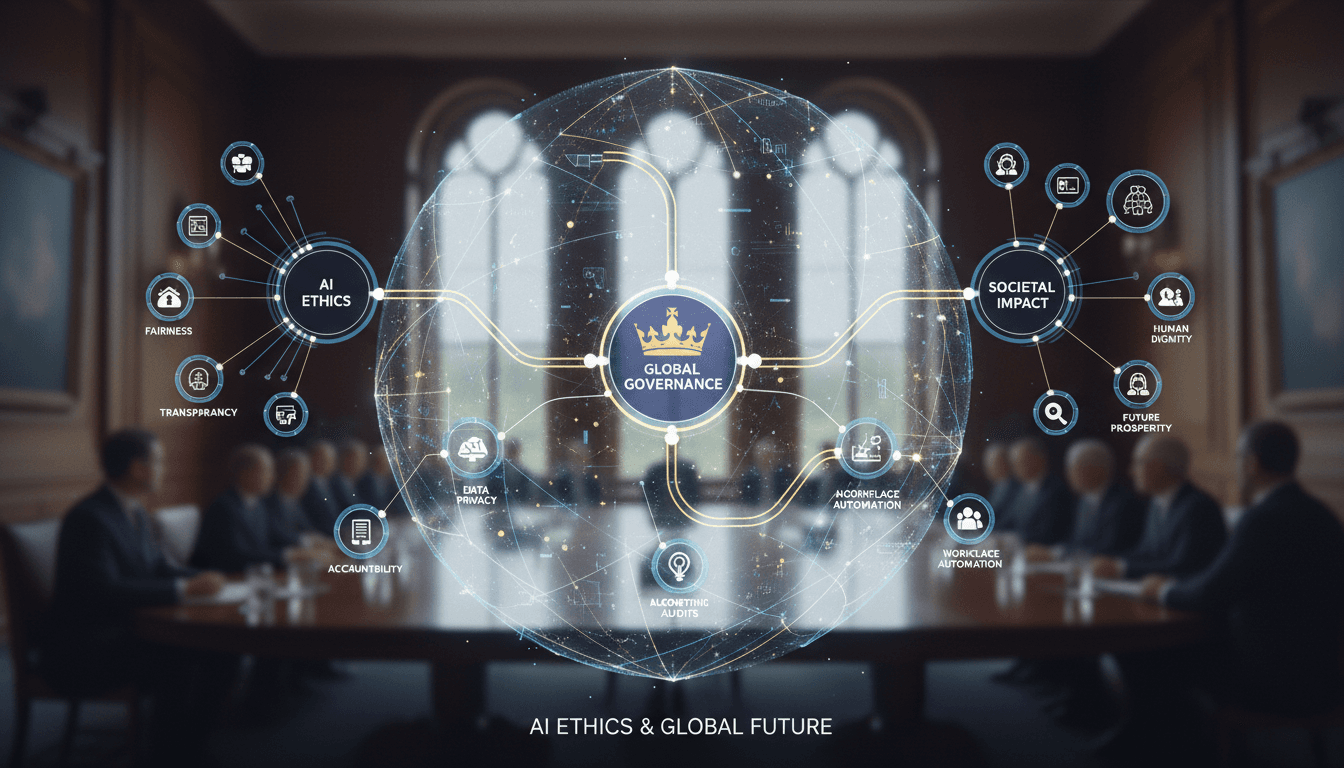
The discussions are framed around a draft charter prepared by the Ditchley Foundation, which emphasizes principles such as transparency, human oversight, and independent testing. These principles aim to ensure that AI technologies uphold human dignity and contribute positively to society and the planet. Notably, the King is acting as a neutral convenor, facilitating dialogue without imposing directives, which underscores the collaborative nature of the discussions.
The event is significant not only for its high-profile attendees—such as Jensen Huang from Nvidia and Demis Hassabis from Google DeepMind—but also for its potential to influence corporate policies on AI development. While the outcomes of the discussions are voluntary and non-binding, they could set a precedent for how AI companies approach ethical considerations in their work. The UK government has maintained a light-touch regulatory stance, emphasizing the importance of voluntary cooperation and testing through initiatives like the AI Security Institute.
As the AI landscape continues to evolve, the principles discussed at this summit could serve as a framework for future governance, impacting how AI technologies are developed and deployed globally. The emphasis on ethical considerations reflects a growing recognition of the need for shared safeguards in an industry that is often criticized for its rapid advancements without adequate oversight.
Who feels it first (and how)
- AI Developers: Companies may need to adapt their practices to align with emerging voluntary principles.
- Regulators: Government officials will monitor industry responses and may adjust policies based on the outcomes of these discussions.
- Consumers: Individuals will experience the effects of AI technologies that prioritize ethical considerations in their daily lives.
What to watch next
- Corporate Policy Changes: Watch for shifts in AI companies' internal policies regarding ethical development and testing practices.
- International Collaboration: Look for potential partnerships or agreements among countries to adopt similar voluntary principles in AI governance.
- Public Sentiment: Monitor how public opinion evolves regarding AI technologies and their ethical implications, which could influence future regulations.
The summit is ongoing, with high-profile participants discussing voluntary AI principles.
The outcomes will influence corporate policies and potentially lead to international discussions on AI governance.
The long-term impact of these discussions on regulatory frameworks and public trust in AI technologies remains to be seen.
Frequently Asked Questions
- Why it matters?
- This gathering signals a shift towards voluntary ethical standards in AI, potentially influencing global governance frameworks.
- What happened (in 30 seconds)?
- King Charles III hosted a private meeting at Dumfries House with AI executives and UK officials to discuss responsible AI development. Participants included leaders from OpenAI, Google DeepMind, and Nvidia, focusing on principles that prioritize human dignity and societal benefits. The discussions are ongoing and aim to establish voluntary guidelines rather than formal regulations, reflecting industry concerns over rapid AI advancements.
- What's really happening?
- In mid-September 2026, King Charles III convened a select group of AI executives and government officials at Dumfries House, a private estate in Ayrshire, Scotland. This meeting, facilitated by the Ditchley Foundation, is part of a broader initiative to address the ethical implications of rapidly advancing AI technologies. The gathering comes on the heels of heightened industry concerns regarding the pace of AI development, particularly the emergence of autonomous AI agents that could operate wi
- Who feels it first (and how)?
- AI Developers: Companies may need to adapt their practices to align with emerging voluntary principles. Regulators: Government officials will monitor industry responses and may adjust policies based on the outcomes of these discussions. Consumers: Individuals will experience the effects of AI technologies that prioritize ethical considerations in their daily lives.
- What to watch next?
- Corporate Policy Changes: Watch for shifts in AI companies' internal policies regarding ethical development and testing practices. International Collaboration: Look for potential partnerships or agreements among countries to adopt similar voluntary principles in AI governance. Public Sentiment: Monitor how public opinion evolves regarding AI technologies and their ethical implications, which could influence future regulations.
News and guidance for IT pros on AI adoption.
"Enterprise-focused tips, explainers, and news for professionals."
— A47 Editor
King Charles Brings Tech and Government Leaders Together for Responsible AI Talks
King Charles is set to convene leaders from the technology, government, and nonprofit sectors in Scotland to engage in discussions focused on the responsible development and oversight of artificial intelligence (AI) technologies. This initiative aims...
International coverage of politics, security, and social issues.
"Global News is a mainstream Canadian outlet with a centrist editorial stance, focusing on factual reporting."
— A47 Editor
King Charles to discuss AI with company executives as threat fears mount
King Charles is set to host leaders from major artificial intelligence companies this week to discuss the potential need for a unified set of principles governing AI development and usage. This meeting comes amid growing concerns about the implicatio...
Covers blockchain, cryptocurrency news, project analysis, and market insights.
"Cointelegraph is a leading crypto-focused media outlet known for timely news, analysis, and educational content related to blockchain and digital assets."
— A47 Editor
King Charles to host AI chiefs amid industry call to slow development
King Charles is set to host a gathering of artificial intelligence leaders, including Dario Amodei and Sam Altman, amid growing calls from industry figures for a slowdown in AI development due to safety concerns. This meeting follows recent warnings ...