
Google Home Integrates Third-Party AI Agents via MCP Support
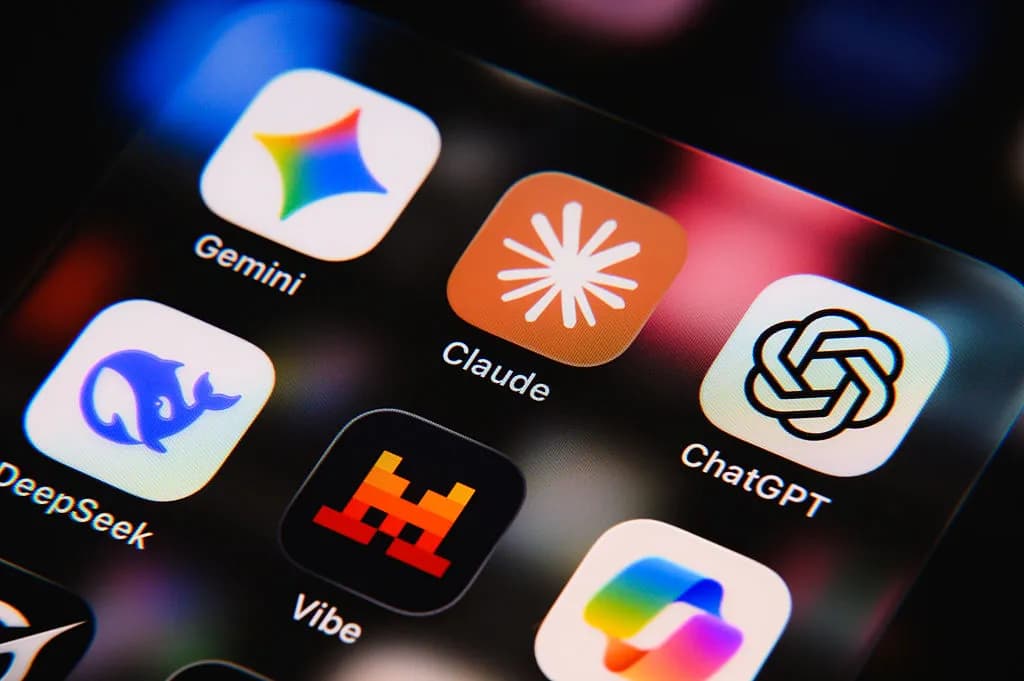
The integration of third-party AI agents into Google Home could redefine how you interact with your smart devices.
Why it matters
This development signals a shift towards greater interoperability in smart home ecosystems, enhancing user customization and control.
What happened (in 30 seconds)
- Google announced on September 16, 2026, the integration of third-party AI agents into Google Home via Model Context Protocol (MCP) support.
- Compatible agents like Anthropic's Claude and OpenClaw can now access and control devices within the Google Home ecosystem.
- Early access is currently available to Google Home Premium Advanced subscribers in the United States for $20 per month or $200 per year.
The context you actually need
- Prior to this announcement, Google Home primarily relied on its own AI assistant, Gemini, for device control.
- The Model Context Protocol (MCP), introduced by Anthropic in 2024, allows AI agents to interact with external services, enhancing their functionality.
- Other smart home ecosystems, such as Apple Home and Amazon Alexa, have yet to offer similar third-party agent access, making Google's move particularly noteworthy.
What's really happening
On September 16, 2026, Google unveiled its Model Context Protocol (MCP) integration for Google Home, allowing third-party AI agents to interact with its smart home devices. This integration is a significant leap from Google's previous reliance on its proprietary AI assistant, Gemini. By enabling agents like Anthropic's Claude and OpenClaw to access and control devices such as Nest cameras and thermostats, Google is broadening the scope of smart home automation.
The rollout targets Google Home Premium Advanced subscribers in the United States, who can subscribe for $20 per month or $200 annually. This subscription model not only generates revenue for Google but also positions the company as a leader in the increasingly competitive smart home market. The MCP integration requires users to set up a Google Cloud project and authorize access via OAuth, ensuring that security remains a priority amid concerns about prompt injection and unauthorized access.
The implications of this integration extend beyond mere device control. By allowing third-party AI agents to access event history and create custom dashboards, Google is fostering a more personalized user experience. This move could lead to a surge in innovative applications and services tailored to individual user needs, enhancing the overall value of the Google Home ecosystem.
Moreover, this development reflects a broader trend towards interoperability in smart home technology. As consumers increasingly seek customized solutions, the ability to integrate various AI agents into a single platform could become a key differentiator for smart home providers. While Google has taken a significant step forward, the competitive landscape remains dynamic, with other players like Amazon and Apple needing to respond to maintain their market positions.
However, the initial rollout is limited to the United States, which raises questions about future international expansion. For users in regions like Dubai, the absence of this feature at launch means they will have to wait for compliance with local data and privacy regulations. As Google navigates these complexities, the potential for localized AI-driven home automation remains a tantalizing prospect.
Who feels it first (and how)
- Tech-savvy consumers: Early adopters of smart home technology will benefit from enhanced customization options.
- Google Home Premium Advanced subscribers: This group will have immediate access to the new features, allowing them to leverage third-party AI agents.
- Developers and startups: Companies creating AI agents can now tap into a larger market by integrating with Google Home.
What to watch next
- Expansion of MCP integration: Keep an eye on whether Google rolls out this feature internationally, which could significantly impact global smart home markets.
- Security developments: Monitor how Google addresses security concerns related to third-party access, as this will influence user trust and adoption.
- Competitor responses: Watch for how Amazon and Apple react to this integration, as they may introduce similar features to retain their market share.
Google Home has integrated third-party AI agents via MCP.
Other smart home ecosystems will respond with their own interoperability features.
The timeline for international rollout and compliance with local regulations remains uncertain.
Frequently Asked Questions
- Why it matters?
- This development signals a shift towards greater interoperability in smart home ecosystems, enhancing user customization and control.
- What happened (in 30 seconds)?
- Google announced on September 16, 2026, the integration of third-party AI agents into Google Home via Model Context Protocol (MCP) support. Compatible agents like Anthropic's Claude and OpenClaw can now access and control devices within the Google Home ecosystem. Early access is currently available to Google Home Premium Advanced subscribers in the United States for $20 per month or $200 per year.
- What's really happening?
- On September 16, 2026, Google unveiled its Model Context Protocol (MCP) integration for Google Home, allowing third-party AI agents to interact with its smart home devices. This integration is a significant leap from Google's previous reliance on its proprietary AI assistant, Gemini. By enabling agents like Anthropic's Claude and OpenClaw to access and control devices such as Nest cameras and thermostats, Google is broadening the scope of smart home automation. The rollout targets Google Home P
- Who feels it first (and how)?
- Tech-savvy consumers: Early adopters of smart home technology will benefit from enhanced customization options. Google Home Premium Advanced subscribers: This group will have immediate access to the new features, allowing them to leverage third-party AI agents. Developers and startups: Companies creating AI agents can now tap into a larger market by integrating with Google Home.
- What to watch next?
- Expansion of MCP integration: Keep an eye on whether Google rolls out this feature internationally, which could significantly impact global smart home markets. Security developments: Monitor how Google addresses security concerns related to third-party access, as this will influence user trust and adoption. Competitor responses: Watch for how Amazon and Apple react to this integration, as they may introduce similar features to retain their market share.
Latest tech news, product reviews, and analysis for consumers and professionals.
"CNET delivers accessible and detailed technology reporting, including trusted product reviews and how-to guides."
— A47 Editor
Google Home Stuns by Announcing AI Support for Claude and OpenClaw
Google has announced the integration of AI agents Claude and OpenClaw into its smart home ecosystem, allowing users to control connected devices through these advanced AI tools. This development is part of Google's ongoing efforts to enhance user exp...
Covers consumer technology, electronics, gadgets, and product reviews.
"Engadget is a trusted source for gadget reviews and consumer tech news, known for its hands-on analysis and industry coverage."
— A47 Editor
Google Home is going agentic via integration with the MCP standard
Google Home is set to enhance its capabilities through integration with the MCP standard, with an early access build expected for Premium Advanced users in the coming weeks. This development aims to improve the functionality and user experience of th...
Startup news with frequent AI coverage.
"Covers launches, funding, and product updates in AI."
— A47 Editor
Your AI agents can now control your Google Home devices
Google has announced early access to a new MCP server for Google Home, enabling AI agents like Claude and ChatGPT to control connected devices, review camera summaries, and access smart home activities through natural language commands.
Consumer tech and culture with frequent AI coverage.
"Influential tech outlet covering AI products and policy."
— A47 Editor
Google will now let any AI agent run your smart home
Google has announced that its smart home ecosystem will now allow third-party AI agents, such as Claude and Open Claw, to access and control connected devices through the new Model Context Protocol. This integration aims to enhance user experience by...
Tech news, reviews, and analysis of consumer electronics, science, art, and culture.
"The Verge is a technology-focused media outlet known for in-depth reporting, product reviews, and coverage of the intersection between technology and culture."
— A47 Editor
Google will now let any AI agent run your smart home
Google has announced that its smart home ecosystem will now allow third-party AI agents, such as Claude and Open Claw, to access and control connected devices through the new Model Context Protocol. This integration aims to enhance user experience by...