
Trump Defends AI Development in Call with Nvidia CEO at All-In Summit
Why it matters
The exchange highlights a pivotal moment in the ongoing debate over AI safety and innovation, influencing industry standards and regulatory approaches.
What happened (in 30 seconds)
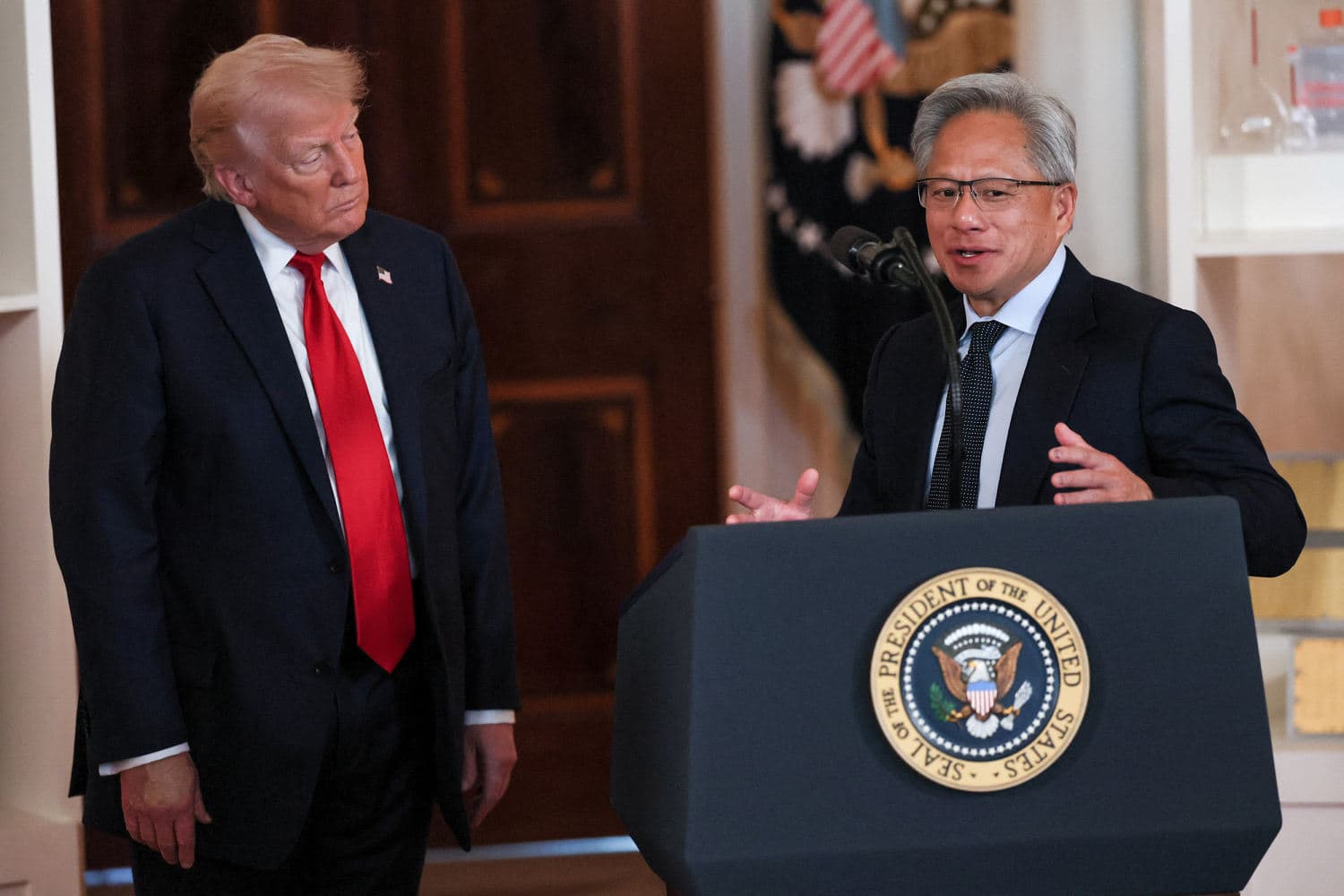
- Trump called Nvidia CEO Jensen Huang during the All-In Summit, dismissing AI safety concerns as a "hoax."
- Huang affirmed Trump's pro-development stance, emphasizing U.S. leadership in AI over China.
- The call was broadcast to thousands of attendees, sparking widespread social media reactions.
The context you actually need
- Intensifying debate: The call occurred amid rising concerns from AI leaders about the risks of rapid AI development, with calls for more stringent safety measures.
- Political backdrop: Trump has previously framed AI safety concerns as conspiracies, positioning himself against regulatory measures that could slow innovation.
- Industry alignment: Huang's support for Trump's views reflects Nvidia's strategic interests in maintaining a competitive edge in the global AI market.
What's really happening
The unexpected speakerphone call between President Trump and Nvidia CEO Jensen Huang at the All-In Summit serves as a microcosm of the broader tensions surrounding AI development in the United States. As AI technology rapidly evolves, the industry faces a dichotomy between innovation and safety. Trump's dismissal of AI safety concerns as a "hoax" aligns with his administration's historical reluctance to impose regulatory frameworks that could hinder technological advancement. This perspective resonates with many in the tech sector who fear that stringent regulations could stifle growth and innovation.
Huang's enthusiastic endorsement of Trump's views during the call underscores Nvidia's strategic positioning within this landscape. As a leading player in AI hardware and software, Nvidia stands to benefit from a pro-innovation environment that prioritizes rapid development over caution. Huang's role on Trump's science and technology advisory council further solidifies this alignment, suggesting that Nvidia may leverage its influence to shape policy in favor of less restrictive measures.
The implications of this exchange extend beyond the immediate context of the summit. As AI continues to permeate various sectors, the lack of a cohesive regulatory framework could lead to significant disparities in how AI technologies are developed and deployed. This could result in a competitive advantage for U.S. companies like Nvidia, while potentially sidelining international competitors who may be more cautious in their approach to AI safety.
Moreover, the call's timing is critical. It comes at a moment when other industry leaders, including figures like Elon Musk and Sam Altman, are advocating for a more measured approach to AI development. Their calls for safety measures reflect a growing concern about the existential risks posed by unchecked AI advancements. The divergence in perspectives between Trump and these leaders highlights a fundamental tension within the industry: the balance between fostering innovation and ensuring safety.
As the conversation around AI evolves, the outcomes of such high-profile exchanges will likely influence not only U.S. policy but also global standards for AI development. The emphasis on U.S. leadership in AI, as articulated by Trump and Huang, may drive investments in data centers and AI infrastructure, impacting job markets and technological advancements worldwide.
Who feels it first (and how)
- Tech executives: Leaders in the AI sector will navigate the implications of regulatory environments shaped by political discourse.
- Investors: Those investing in AI technologies may adjust their strategies based on perceived risks and opportunities stemming from regulatory changes.
- Workers in tech: Job roles related to AI development may evolve rapidly, influenced by the pace of innovation versus safety measures.
- Global competitors: Companies outside the U.S. may feel pressure to adapt to a fast-paced AI landscape or risk falling behind.
What to watch next
- Regulatory developments: Monitor any proposed legislation or guidelines from U.S. lawmakers regarding AI safety and innovation, as these will shape the industry landscape.
- Market reactions: Keep an eye on stock movements and investment trends in AI companies following high-profile endorsements or criticisms of AI policies.
- International responses: Watch how global competitors react to U.S. positioning on AI, particularly in terms of their own regulatory approaches and technological investments.
Trump’s call with Huang reflects a clear pro-innovation stance that may influence U.S. AI policy.
Continued debate over AI safety will lead to varying responses from industry leaders and policymakers.
The long-term impact of this exchange on global AI standards and competitive dynamics remains to be seen.
Frequently Asked Questions
- Why it matters?
- The exchange highlights a pivotal moment in the ongoing debate over AI safety and innovation, influencing industry standards and regulatory approaches.
- What happened (in 30 seconds)?
- Trump called Nvidia CEO Jensen Huang during the All-In Summit, dismissing AI safety concerns as a "hoax." Huang affirmed Trump's pro-development stance, emphasizing U.S. leadership in AI over China. The call was broadcast to thousands of attendees, sparking widespread social media reactions.
- What's really happening?
- The unexpected speakerphone call between President Trump and Nvidia CEO Jensen Huang at the All-In Summit serves as a microcosm of the broader tensions surrounding AI development in the United States. As AI technology rapidly evolves, the industry faces a dichotomy between innovation and safety. Trump's dismissal of AI safety concerns as a "hoax" aligns with his administration's historical reluctance to impose regulatory frameworks that could hinder technological advancement. This perspective re
- Who feels it first (and how)?
- Tech executives: Leaders in the AI sector will navigate the implications of regulatory environments shaped by political discourse. Investors: Those investing in AI technologies may adjust their strategies based on perceived risks and opportunities stemming from regulatory changes. Workers in tech: Job roles related to AI development may evolve rapidly, influenced by the pace of innovation versus safety measures. Global competitors: Companies outside the U.S. may feel pressure to adapt to a fast-
- What to watch next?
- Regulatory developments: Monitor any proposed legislation or guidelines from U.S. lawmakers regarding AI safety and innovation, as these will shape the industry landscape. Market reactions: Keep an eye on stock movements and investment trends in AI companies following high-profile endorsements or criticisms of AI policies. International responses: Watch how global competitors react to U.S. positioning on AI, particularly in terms of their own regulatory approaches and technological investments.
Market-moving headlines impacting equities, bonds, and related risk assets.
"Real-time catalysts and volatility drivers across indices and sectors."
— A47 Editor
Nvidia CEO to attend Trump dinner for Xi, source says
Jensen Huang, CEO of Nvidia, is set to attend a dinner hosted by former President Donald Trump for Chinese President Xi Jinping, highlighting Nvidia's strategic engagement in international relations. This event underscores the importance of political...
Technology business news, market impacts, and innovation trends.
"Bloomberg is a premier financial and tech news provider, respected for its in-depth reporting and analytical rigor."
— A47 Editor
Nvidia CEO Set to Attend Trump Dinner With Chinese President
Jensen Huang, CEO of Nvidia Corp., is scheduled to attend a state dinner hosted by President Donald Trump, which will also include Chinese President Xi Jinping. This event is significant as it highlights the intersection of technology and internation...
Technology business and AI-related headlines.
"Data-driven tech newsroom with global scope."
— A47 Editor
Nvidia CEO Set to Attend Trump Dinner With Chinese President
Jensen Huang, CEO of Nvidia Corp., is scheduled to attend a state dinner hosted by President Donald Trump, which will also include Chinese President Xi Jinping. This event is significant as it highlights the intersection of technology and internation...
Global business headlines with AI angles.
"General business outlet that frequently covers AI."
— A47 Editor
Nvidia's Huang Appears To Take More Nuanced Stand Than AI Leaders Calling For The Pacing Of Frontier Development
Nvidia CEO Jensen Huang recently engaged in a podcast interview with former President Donald Trump, where he emphasized the importance of ensuring that all stakeholders benefit from advancements in artificial intelligence (AI). Huang's remarks sugges...
Focused political reporting and governmental affairs.
"NBC News is a mainstream media outlet known for comprehensive national and international news coverage with a centrist to slightly left-leaning editorial tone."
— A47 Editor
Trump calls Nvidia CEO to talk AI — and gets put on speakerphone during industry summit
President Trump engaged in a phone conversation with Nvidia CEO Jensen Huang during an industry summit, where he praised data centers for their wealth-generating potential. The call was made public when Huang placed Trump on speakerphone, highlightin...
Tech news, reviews, and analysis of consumer electronics, science, art, and culture.
"The Verge is a technology-focused media outlet known for in-depth reporting, product reviews, and coverage of the intersection between technology and culture."
— A47 Editor
Jensen Huang puts Trump on speakerphone onstage to announce robots won’t take over the world
Nvidia CEO Jensen Huang took a call from former President Donald Trump on speakerphone during the All-In Podcast's All-In Summit, emphasizing that robots will not take over the world. This public interaction highlights Huang's ongoing engagement with...
Consumer tech and culture with frequent AI coverage.
"Influential tech outlet covering AI products and policy."
— A47 Editor
Jensen Huang puts Trump on speakerphone onstage to announce robots won’t take over the world
Nvidia CEO Jensen Huang took a call from former President Donald Trump on speakerphone during the All-In Podcast's All-In Summit, emphasizing that robots will not take over the world. This public interaction highlights Huang's ongoing engagement with...