
Iranian Strikes on AWS Data Centers Lead to Permanent Data Loss
Why it matters
The loss of customer data from AWS data centers highlights vulnerabilities in global cloud infrastructure amid geopolitical tensions.
What happened (in 30 seconds)
- Iranian Revolutionary Guard Corps (IRGC) launched drone and missile strikes on AWS data centers in Bahrain and the UAE in March 2026.
- Permanent data loss was confirmed in September 2026, affecting multiple availability zones and exceeding AWS's resilience capabilities.
- Customers are advised to migrate their workloads to other regions as recovery efforts continue without a firm timeline.
The context you actually need
- Renewed conflict between the US, Israel, and Iran began in late February 2026, escalating tensions in the region.
- AWS's multi-zone resilience was designed to prevent data loss, but the attacks exceeded these safeguards, leading to permanent damage.
- UAE authorities are exploring options for more resilient data infrastructure to mitigate future risks.
What's really happening
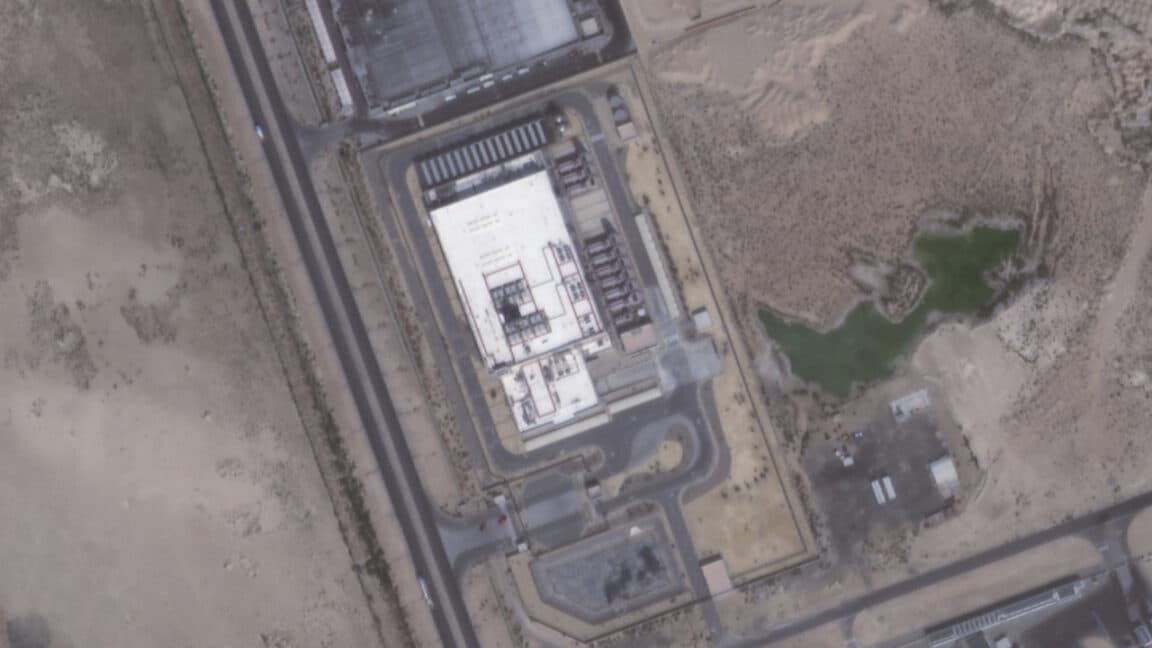
In early March 2026, the IRGC executed a series of coordinated drone strikes targeting Amazon Web Services (AWS) facilities in the UAE, followed by subsequent attacks on data centers in Bahrain. This aggressive move was part of a broader strategy by Iran to retaliate against perceived US military and intelligence operations in the region, particularly following US-Israeli strikes on Iranian nuclear facilities. The attacks resulted in significant damage to multiple availability zones, which are designed to provide redundancy and resilience against outages.
AWS's infrastructure is built to withstand localized failures, but the scale and precision of the strikes overwhelmed these defenses. By September 2026, assessments revealed that the damage to specific zones, such as mec1-az2, was beyond recovery, leading to the permanent loss of customer data hosted exclusively in those areas. AWS responded by suspending billing in the affected regions and advising customers to migrate their workloads to safer locations.
The implications of this incident extend beyond immediate data loss. Businesses that rely on cloud services for critical operations are now facing heightened risks associated with geopolitical instability. The attacks have raised questions about the security of cloud infrastructure in conflict-prone regions, prompting AWS and other cloud providers to reassess their operational strategies. The UAE government is also considering the establishment of underground data centers to enhance resilience against future attacks.
As the situation evolves, the potential for further escalation remains a concern. International observers are closely monitoring the Gulf region for signs of increased targeting of commercial infrastructure, which could have broader implications for global supply chains and data security.
Who feels it first (and how)
- Businesses relying on AWS: Companies that host critical applications and data on AWS are at immediate risk of operational disruptions.
- Financial services: Banks and fintech companies dependent on cloud services for transactions and data management may face significant challenges.
- Tech startups: New ventures that utilize AWS for scalability could struggle with data loss and recovery efforts.
- UAE residents: Individuals relying on cloud-based services for everyday activities, such as banking and food delivery, may experience service interruptions.
What to watch next
- AWS recovery timeline: Monitoring AWS's progress in restoring services and data in affected regions will indicate the extent of operational disruptions.
- UAE infrastructure developments: Watch for announcements regarding new data center strategies, including potential underground facilities aimed at enhancing resilience.
- Geopolitical tensions: Continued monitoring of US-Iran relations will be crucial, as further escalations could lead to additional attacks on commercial infrastructure.
Permanent data loss has occurred in specific AWS availability zones due to the strikes.
Businesses will migrate workloads to other regions to mitigate risks associated with data loss.
The long-term impact on AWS's market position and customer trust in cloud services remains uncertain.
Frequently Asked Questions
- Why it matters?
- The loss of customer data from AWS data centers highlights vulnerabilities in global cloud infrastructure amid geopolitical tensions.
- What happened (in 30 seconds)?
- Iranian Revolutionary Guard Corps (IRGC) launched drone and missile strikes on AWS data centers in Bahrain and the UAE in March 2026. Permanent data loss was confirmed in September 2026, affecting multiple availability zones and exceeding AWS's resilience capabilities. Customers are advised to migrate their workloads to other regions as recovery efforts continue without a firm timeline.
- What's really happening?
- In early March 2026, the IRGC executed a series of coordinated drone strikes targeting Amazon Web Services (AWS) facilities in the UAE, followed by subsequent attacks on data centers in Bahrain. This aggressive move was part of a broader strategy by Iran to retaliate against perceived US military and intelligence operations in the region, particularly following US-Israeli strikes on Iranian nuclear facilities. The attacks resulted in significant damage to multiple availability zones, which are d
- Who feels it first (and how)?
- Businesses relying on AWS: Companies that host critical applications and data on AWS are at immediate risk of operational disruptions. Financial services: Banks and fintech companies dependent on cloud services for transactions and data management may face significant challenges. Tech startups: New ventures that utilize AWS for scalability could struggle with data loss and recovery efforts. UAE residents: Individuals relying on cloud-based services for everyday activities, such as banking and fo
- What to watch next?
- AWS recovery timeline: Monitoring AWS's progress in restoring services and data in affected regions will indicate the extent of operational disruptions. UAE infrastructure developments: Watch for announcements regarding new data center strategies, including potential underground facilities aimed at enhancing resilience. Geopolitical tensions: Continued monitoring of US-Iran relations will be crucial, as further escalations could lead to additional attacks on commercial infrastructure.
In-depth reporting on tech, policy, and science including AI.
"Respected analysis for technically savvy readers, including AI topics."
— A47 Editor
Iran strikes on Amazon data centers caused permanent loss of customer data
Recent strikes attributed to Iran have caused significant damage to Amazon Web Services (AWS) data centers, resulting in a permanent loss of customer data. The war-related damage exceeded the resilience capabilities of AWS services, highlighting vuln...
In-depth coverage of hardware, software, science, and policy.
"Ars Technica provides expert technology news, hardware reviews, and analysis for a technically savvy audience."
— A47 Editor
Iran strikes on Amazon data centers caused permanent loss of customer data
Recent strikes attributed to Iran have caused significant damage to Amazon Web Services (AWS) data centers, resulting in a permanent loss of customer data. The war-related damage exceeded the resilience capabilities of AWS services, highlighting vuln...
Tech startup news, programming trends, and discussions shared by the developer community.
"Hacker News is a community-driven source highlighting influential tech discussions, startup launches, and programming insights."
— A47 Editor
AWS says it can't restore some data from mideast facilities struck by Iran
Amazon Web Services (AWS) has announced that it is unable to restore certain data from its facilities in the Middle East that were impacted by recent strikes attributed to Iran. This incident highlights the ongoing vulnerabilities faced by cloud serv...
Global political, business, and cultural coverage from WSJ international desks.
"The Wall Street Journal offers extensive international reporting with a reputation for financial insight and a center-right editorial stance."
— A47 Editor
AWS Says It Can’t Restore Some Data From Mideast Facilities Struck by Iran
Amazon Web Services (AWS) has announced that it is unable to restore certain data from its facilities in Bahrain and the United Arab Emirates, which were affected by an Iranian drone strike. This incident marks a significant loss, as it suggests that...
UAE-based English-language newspaper covering regional politics, economics, and global affairs.
"The National reflects Emirati policy perspectives while maintaining international editorial standards."
— A47 Editor
Amazon Web Services unable to restore Bahrain data network knocked out by Iran
Amazon Web Services (AWS) has reported an inability to restore the data network in Bahrain, which was disrupted by Iranian actions. This incident highlights the ongoing tensions in the region and the vulnerability of critical infrastructure to geopol...