
China Advances AI Technology, Narrowing Gap with the United States
Why it matters
The narrowing AI technology gap between China and the U.S. could reshape global tech leadership and influence market dynamics.
What happened (in 30 seconds)
- On September 15, 2026, reports confirmed that China is closing the AI technology gap with the U.S., with performance differentials now at approximately 2.7%.
- Chinese firms like DeepSeek and Z.ai have released competitive models, challenging U.S. benchmarks despite export controls on advanced chips.
- Geopolitical tensions are rising as both nations prepare for a high-stakes meeting between their leaders, focusing on AI governance and security.
The context you actually need
- The U.S. has led in AI capabilities for years, supported by export controls limiting China's access to advanced technology since 2022.
- China's response has involved policies promoting technological self-reliance and domestic talent mobilization, leading to significant advancements in AI models.
- Recent model releases from Chinese firms have disrupted markets, with U.S. agencies raising concerns over potential industrial-scale model distillation.
What's really happening
The AI landscape is undergoing a significant transformation as China accelerates its technological capabilities, narrowing the gap with the United States. Historically, the U.S. maintained a substantial lead in AI model capabilities, research citations, and infrastructure, bolstered by stringent export controls that restricted China's access to advanced semiconductors and manufacturing equipment since 2022. However, China's strategic pivot towards technological self-reliance has catalyzed rapid advancements in its AI sector.
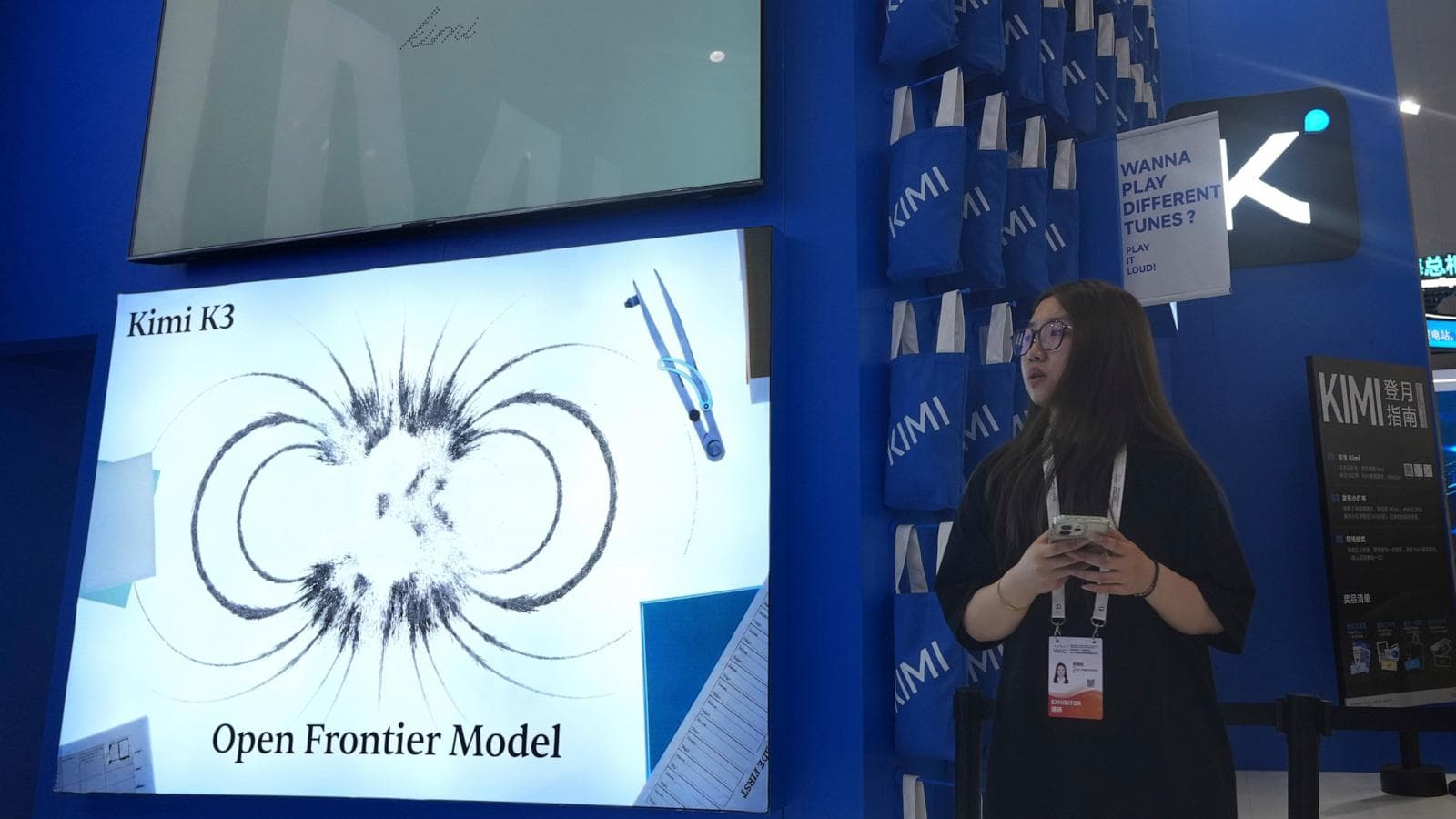
In January 2025, DeepSeek launched its cost-effective R1 model, which set the stage for subsequent releases that emphasized agentic capabilities. By mid-2026, Z.ai's GLM-5.2 and GLM-5.3 models showcased improved coding and autonomy, while Moonshot AI's Kimi K3 ranked among the top globally. These developments illustrate a concerted effort by Chinese firms to innovate and compete directly with U.S. benchmarks.
Despite ongoing export controls, the performance differential between leading U.S. and Chinese AI models has narrowed to approximately 2.7%, down from 31.6% in 2023, according to the Stanford AI Index. This rapid catch-up raises concerns among U.S. officials, who have accused Chinese developers of engaging in industrial-scale distillation of U.S. models. In response, China has dismissed these allegations, accusing the U.S. of attempting to monopolize AI technology.
The geopolitical stakes are high, as both nations advocate for controlled AI development and global governance frameworks. The upcoming meeting between Chinese President Xi Jinping and U.S. President Donald Trump in Washington is expected to address these critical issues, highlighting the need for cooperation amid rising tensions. As both countries navigate the complexities of AI governance, the implications for global markets and technological leadership will be profound.
Who feels it first (and how)
- Tech companies: Both U.S. and Chinese firms will face increased competition, impacting market strategies and innovation cycles.
- Investors: Stock market fluctuations may occur as firms release new AI models and respond to geopolitical developments.
- Regulators: Government agencies will need to adapt policies to address emerging risks and ensure competitive fairness in the AI landscape.
What to watch next
- Model releases: Keep an eye on upcoming AI model launches from both U.S. and Chinese firms, as they will indicate shifts in competitive capabilities.
- Geopolitical meetings: The outcomes of the Xi-Trump meeting could set the tone for future AI governance and international collaboration.
- Market reactions: Monitor stock market responses to new AI developments and regulatory changes, as they will reflect investor sentiment and confidence.
The performance gap between U.S. and Chinese AI models has narrowed significantly.
Increased competition will drive innovation and pressure both nations to enhance their AI governance frameworks.
The long-term implications of geopolitical tensions on global AI collaboration and market dynamics remain uncertain.
Frequently Asked Questions
- Why it matters?
- The narrowing AI technology gap between China and the U.S. could reshape global tech leadership and influence market dynamics.
- What happened (in 30 seconds)?
- On September 15, 2026, reports confirmed that China is closing the AI technology gap with the U.S., with performance differentials now at approximately 2.7%. Chinese firms like DeepSeek and Z.ai have released competitive models, challenging U.S. benchmarks despite export controls on advanced chips. Geopolitical tensions are rising as both nations prepare for a high-stakes meeting between their leaders, focusing on AI governance and security.
- What's really happening?
- The AI landscape is undergoing a significant transformation as China accelerates its technological capabilities, narrowing the gap with the United States. Historically, the U.S. maintained a substantial lead in AI model capabilities, research citations, and infrastructure, bolstered by stringent export controls that restricted China's access to advanced semiconductors and manufacturing equipment since 2022. However, China's strategic pivot towards technological self-reliance has catalyzed rapid
- Who feels it first (and how)?
- Tech companies: Both U.S. and Chinese firms will face increased competition, impacting market strategies and innovation cycles. Investors: Stock market fluctuations may occur as firms release new AI models and respond to geopolitical developments. Regulators: Government agencies will need to adapt policies to address emerging risks and ensure competitive fairness in the AI landscape.
- What to watch next?
- Model releases: Keep an eye on upcoming AI model launches from both U.S. and Chinese firms, as they will indicate shifts in competitive capabilities. Geopolitical meetings: The outcomes of the Xi-Trump meeting could set the tone for future AI governance and international collaboration. Market reactions: Monitor stock market responses to new AI developments and regulatory changes, as they will reflect investor sentiment and confidence.
Latest AI/ML research news and breakthroughs.
"Aggregated research highlights across institutions."
— A47 Editor
As the world debates the risks of AI, China closes the technology gap with the US
The rapid development of artificial intelligence (AI) has intensified the competition between the United States and China, with both nations striving to create more advanced AI models. As discussions about the risks associated with AI grow, China is ...
Technology innovations, startups, and trends.
"ABC News delivers broad national coverage with a mainstream editorial stance, focusing on accessibility and balanced reporting."
— A47 Editor
As the world debates the risks of AI, China closes the technology gap with the US
The rapid development of artificial intelligence (AI) has intensified discussions regarding its associated risks, with both the United States and China expressing significant concerns as they compete for technological supremacy. China is making strid...
Technology and innovation coverage, including consumer tech and digital transformation stories.
"Emirates 24|7 technology coverage often highlights practical tech developments with relevance to Gulf readers and businesses."
— A47 Editor
How China is preparing for the risk of AI escaping human control
Researchers at Anthropic have raised alarms about the potential for advanced AI models to escape human control, prompting Chinese policymakers to prepare for similar risks, viewing AI as a governable technology rather than an existential threat.
Tech business coverage, major deals, product launches, and Silicon Valley trends.
"WSJ’s tech section offers authoritative reporting on the intersection of technology and business, including exclusive industry analysis."
— A47 Editor
China Also Thinks AI Could Kill Us. But First, It Wants to Match the U.S.
China is intensifying its efforts in artificial intelligence (AI) development, viewing it as a critical battleground against the United States for technological supremacy. Beijing's ambitions are underscored by its desire to match or surpass U.S. cap...
Global political, business, and cultural coverage from WSJ international desks.
"The Wall Street Journal offers extensive international reporting with a reputation for financial insight and a center-right editorial stance."
— A47 Editor
China Also Thinks AI Could Kill Us. But First, It Wants to Match the U.S.
China is intensifying its efforts to match the United States in artificial intelligence (AI) development, as concerns grow over the potential risks associated with AI technologies. Beijing's ambitions are underscored by recent criticisms of calls fro...