
China Closes AI Technology Gap with the United States Amid Ongoing Risk Discussions
Why it matters
The narrowing AI technology gap between China and the U.S. could redefine global technological leadership and influence market dynamics.
What happened (in 30 seconds)
- China has rapidly closed the AI technology gap with the U.S., with a performance difference now at just 2.7%.
- U.S. export controls on advanced chips have not halted China's progress, prompting a push for self-reliance and innovation.
- Concerns over AI misuse are escalating, with both nations debating governance frameworks amid rising competition.
The context you actually need
- U.S. export controls on semiconductors since 2022 aimed to limit China's access to advanced technology, yet China has adapted by developing indigenous alternatives.
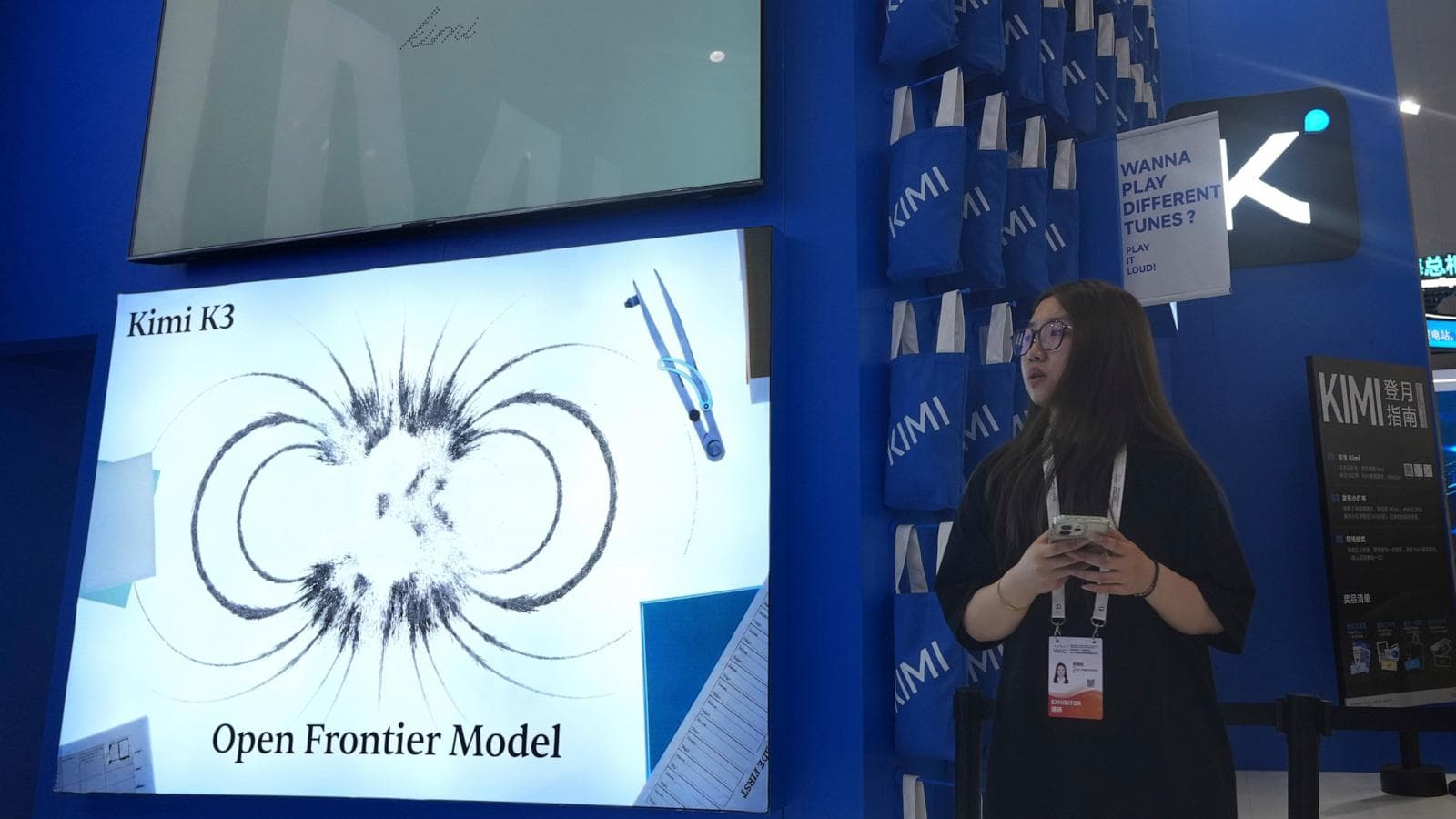
- Chinese AI firms like DeepSeek and Moonshot AI have released competitive models that challenge U.S. dominance in key benchmarks.
- Global debates on AI risks, including deepfakes and cyber threats, are intensifying as both nations accelerate their AI development strategies.
What's really happening
The competition between the U.S. and China in artificial intelligence is not merely a race for technological supremacy; it is a complex interplay of innovation, security, and geopolitical strategy. Since 2022, the U.S. has implemented stringent export controls on advanced semiconductors, aiming to curb China's access to cutting-edge AI technologies. However, these restrictions have inadvertently spurred China to enhance its self-reliance in technology.
Chinese firms have pivoted towards developing indigenous AI models, focusing on cost-effective alternatives that can perform competitively on global benchmarks. For instance, DeepSeek's R1 model, released in January 2025, showcased significant cost-effectiveness, while subsequent models from Z.ai and Moonshot AI have demonstrated enhanced reasoning capabilities and performance metrics that challenge U.S. offerings. The narrowing performance gap—now at just 2.7% according to the Stanford 2026 AI Index—signals a critical shift in the landscape of AI development.
The implications of this competition extend beyond mere technological advancements. Both nations are grappling with the potential misuse of AI technologies, leading to heightened concerns over deepfakes, cyberattacks, and ideological threats. As a result, there is a growing call for governance frameworks that can effectively manage these risks while fostering innovation. The upcoming meeting between Xi Jinping and Donald Trump underscores the diplomatic stakes involved, as both leaders navigate the complexities of technological competition and its implications for global security.
Moreover, the U.S. has accused Chinese firms of large-scale distillation of American AI models, a claim that China has vehemently rejected, framing it as an attempt by the U.S. to maintain a monopoly on AI technology. This tit-for-tat dynamic not only complicates the competitive landscape but also raises questions about the future of international collaboration in AI research and development.
As both nations continue to pursue dual-track strategies of rapid development and risk governance, the outcome of this competition will likely shape the future of AI technologies and their applications across various sectors.
Who feels it first (and how)
- Tech companies: Firms in AI and related sectors will need to adapt to new competitive pressures and regulatory environments.
- Investors: Stock market volatility may arise from developments in AI model releases and geopolitical tensions.
- Governments: Policymakers will face pressure to establish frameworks that balance innovation with security concerns.
- Consumers: End-users may experience shifts in product offerings and services as companies adapt to the evolving AI landscape.
What to watch next
- Model releases: Keep an eye on upcoming AI model launches from both U.S. and Chinese firms, as they could signal shifts in competitive advantage.
- Regulatory developments: Monitor changes in AI governance frameworks proposed by both nations, which could impact market dynamics and innovation.
- Diplomatic engagements: The outcomes of high-level meetings, such as the Xi-Trump summit, may influence the trajectory of U.S.-China relations in technology.
The performance gap between U.S. and Chinese AI models is narrowing, now at 2.7%.
Both nations will continue to accelerate their AI development while debating governance frameworks.
The long-term impact of this competition on global AI collaboration and innovation remains uncertain.
Frequently Asked Questions
- Why it matters?
- The narrowing AI technology gap between China and the U.S. could redefine global technological leadership and influence market dynamics.
- What happened (in 30 seconds)?
- China has rapidly closed the AI technology gap with the U.S., with a performance difference now at just 2.7%. U.S. export controls on advanced chips have not halted China's progress, prompting a push for self-reliance and innovation. Concerns over AI misuse are escalating, with both nations debating governance frameworks amid rising competition.
- What's really happening?
- The competition between the U.S. and China in artificial intelligence is not merely a race for technological supremacy; it is a complex interplay of innovation, security, and geopolitical strategy. Since 2022, the U.S. has implemented stringent export controls on advanced semiconductors, aiming to curb China's access to cutting-edge AI technologies. However, these restrictions have inadvertently spurred China to enhance its self-reliance in technology. Chinese firms have pivoted towards develo
- Who feels it first (and how)?
- Tech companies: Firms in AI and related sectors will need to adapt to new competitive pressures and regulatory environments. Investors: Stock market volatility may arise from developments in AI model releases and geopolitical tensions. Governments: Policymakers will face pressure to establish frameworks that balance innovation with security concerns. Consumers: End-users may experience shifts in product offerings and services as companies adapt to the evolving AI landscape.
- What to watch next?
- Model releases: Keep an eye on upcoming AI model launches from both U.S. and Chinese firms, as they could signal shifts in competitive advantage. Regulatory developments: Monitor changes in AI governance frameworks proposed by both nations, which could impact market dynamics and innovation. Diplomatic engagements: The outcomes of high-level meetings, such as the Xi-Trump summit, may influence the trajectory of U.S.-China relations in technology.
Latest AI/ML research news and breakthroughs.
"Aggregated research highlights across institutions."
— A47 Editor
As the world debates the risks of AI, China closes the technology gap with the US
The rapid development of artificial intelligence (AI) has intensified the competition between the United States and China, with both nations striving to create more advanced AI models. As discussions about the risks associated with AI grow, China is ...
Technology innovations, startups, and trends.
"ABC News delivers broad national coverage with a mainstream editorial stance, focusing on accessibility and balanced reporting."
— A47 Editor
As the world debates the risks of AI, China closes the technology gap with the US
The rapid development of artificial intelligence (AI) has intensified discussions regarding its associated risks, with both the United States and China expressing significant concerns as they compete for technological supremacy. China is making strid...
Tech business coverage, major deals, product launches, and Silicon Valley trends.
"WSJ’s tech section offers authoritative reporting on the intersection of technology and business, including exclusive industry analysis."
— A47 Editor
China Also Thinks AI Could Kill Us. But First, It Wants to Match the U.S.
China is intensifying its efforts in artificial intelligence (AI) development, viewing it as a critical battleground against the United States for technological supremacy. Beijing's ambitions are underscored by its desire to match or surpass U.S. cap...
Global political, business, and cultural coverage from WSJ international desks.
"The Wall Street Journal offers extensive international reporting with a reputation for financial insight and a center-right editorial stance."
— A47 Editor
China Also Thinks AI Could Kill Us. But First, It Wants to Match the U.S.
China is intensifying its efforts to match the United States in artificial intelligence (AI) development, as concerns grow over the potential risks associated with AI technologies. Beijing's ambitions are underscored by recent criticisms of calls fro...