
UNESCO Global Forum on AI Ethics 2026 Concludes with 18 Workshops in Riyadh
Why it matters
The forum's outcomes could reshape international AI regulations, impacting how businesses operate and innovate in the tech landscape.
What happened (in 30 seconds)
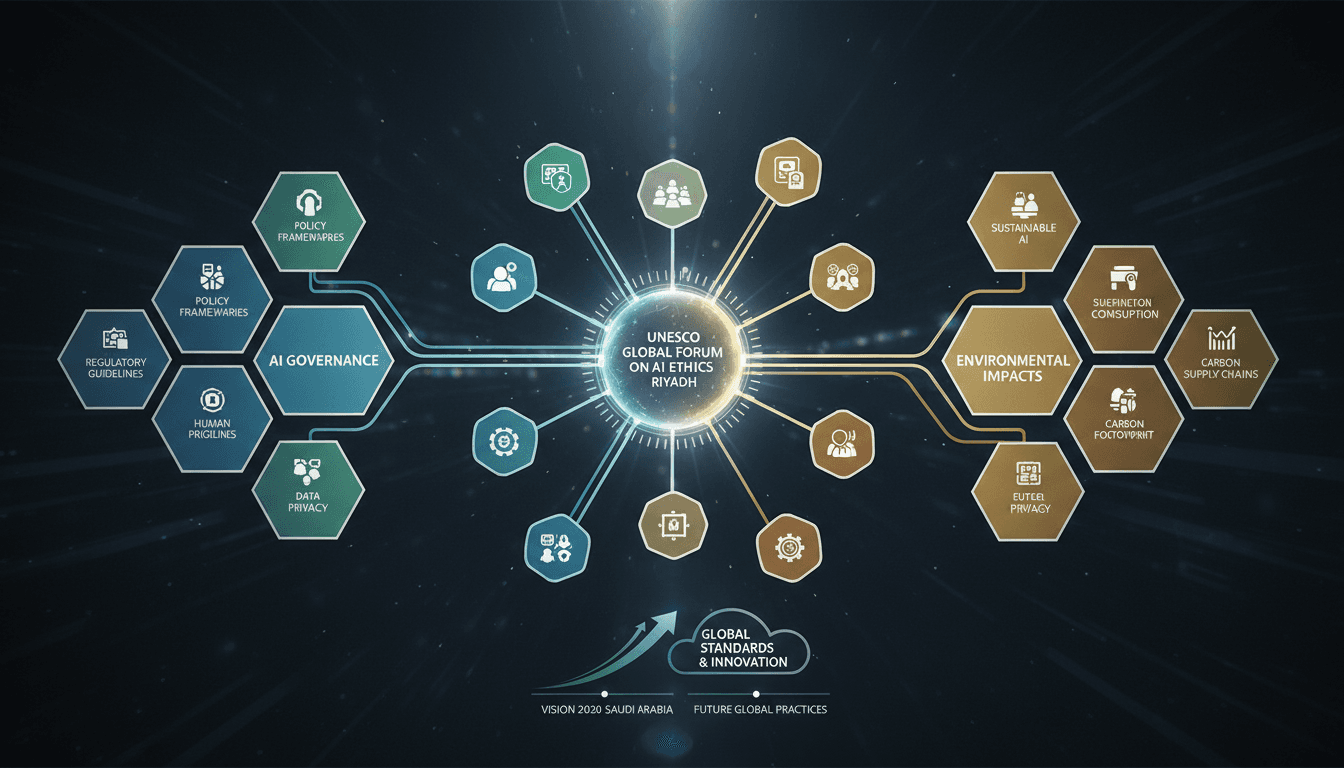
- The 4th UNESCO Global Forum on AI Ethics took place in Riyadh from September 14-17, 2026, featuring 18 workshops focused on AI governance and environmental impacts.
- Key participants included over 100 international speakers and representatives from more than 50 countries, emphasizing multilateral cooperation in AI ethics.
- A joint international statement was issued, highlighting commitments to inclusion, support for developing nations, and adherence to UNESCO's 2021 Recommendation on AI ethics.
The context you actually need
- Saudi Arabia's Vision 2030 aims to position the Kingdom as a leader in responsible AI innovation, aligning with the forum's objectives.
- Previous forums were held in Prague, Kranj, and Bangkok, establishing a continuous dialogue on AI ethics since UNESCO's 2021 adoption of global standards.
- The environmental footprint of technology is increasingly scrutinized, making discussions on sustainable AI practices critical for future governance.
What's really happening
The UNESCO Global Forum on AI Ethics 2026 serves as a pivotal moment in the ongoing global conversation about the ethical implications of artificial intelligence. By hosting this forum, Saudi Arabia not only positions itself as a leader in the AI space but also aligns its national priorities with global standards. The event featured 18 specialized workshops that tackled pressing issues such as AI governance, child protection in digital environments, and the environmental impacts of technology.
The discussions were led by the Saudi Data and AI Authority (SDAIA) in collaboration with UNESCO and the International Centre for AI Research and Ethics (ICAIRE). This partnership underscores a commitment to developing robust frameworks for AI governance that can be adopted by nations worldwide. The workshops aimed to equip participants with tools for assessing national AI readiness and implementing ethical guidelines, which are essential as AI technologies become more pervasive.
The joint international statement issued at the conclusion of the forum emphasized the importance of multilateral cooperation, particularly in including women and youth in discussions about AI ethics. This focus on inclusivity is crucial, as diverse perspectives can lead to more comprehensive and effective governance frameworks. Moreover, the commitment to supporting developing nations highlights a recognition of the disparities in technological access and expertise, which can exacerbate inequalities if not addressed.
As the global landscape for AI continues to evolve, the outcomes of this forum will likely influence national policies and corporate strategies. Companies operating in the tech sector must stay informed about these developments, as adherence to new ethical standards could become a competitive advantage. The emphasis on environmental sustainability also signals a shift towards more responsible technology deployment, which could impact investment decisions and operational practices across industries.
In summary, the UNESCO Global Forum on AI Ethics 2026 is not just a gathering of experts; it represents a critical juncture in the evolution of AI governance. The insights and frameworks developed here will shape the future of technology, making it imperative for stakeholders to engage with these discussions actively.
Who feels it first (and how)
- Tech companies: Must adapt to new ethical standards and governance frameworks.
- Policymakers: Need to align national regulations with international agreements on AI ethics.
- Environmental advocates: Will push for sustainable practices in technology deployment.
- Educational institutions: May revise curricula to include AI ethics and governance training.
- Youth and women: Stand to gain from increased representation and focus on their safety in digital spaces.
What to watch next
- Implementation of UNESCO's tools: Monitoring how countries adopt the new AI readiness evaluation tools will reveal shifts in governance practices.
- Cross-border collaborations: Watch for partnerships between nations and organizations that emerge from this forum, particularly in sustainable AI applications.
- Public sentiment on AI ethics: Tracking how communities respond to new regulations and ethical standards will provide insight into societal acceptance and adaptation.
The forum concluded with a joint international statement emphasizing cooperation and inclusion.
Countries will begin to align their national AI policies with the frameworks discussed at the forum.
The immediate market impacts of these discussions on technology companies and their operations.
Frequently Asked Questions
- Why it matters?
- The forum's outcomes could reshape international AI regulations, impacting how businesses operate and innovate in the tech landscape.
- What happened (in 30 seconds)?
- The 4th UNESCO Global Forum on AI Ethics took place in Riyadh from September 14-17, 2026, featuring 18 workshops focused on AI governance and environmental impacts. Key participants included over 100 international speakers and representatives from more than 50 countries, emphasizing multilateral cooperation in AI ethics. A joint international statement was issued, highlighting commitments to inclusion, support for developing nations, and adherence to UNESCO's 2021 Recommendation on AI ethics
- What's really happening?
- The UNESCO Global Forum on AI Ethics 2026 serves as a pivotal moment in the ongoing global conversation about the ethical implications of artificial intelligence. By hosting this forum, Saudi Arabia not only positions itself as a leader in the AI space but also aligns its national priorities with global standards. The event featured 18 specialized workshops that tackled pressing issues such as AI governance, child protection in digital environments, and the environmental impacts of technology.
- Who feels it first (and how)?
- Tech companies: Must adapt to new ethical standards and governance frameworks. Policymakers: Need to align national regulations with international agreements on AI ethics. Environmental advocates: Will push for sustainable practices in technology deployment. Educational institutions: May revise curricula to include AI ethics and governance training. Youth and women: Stand to gain from increased representation and focus on their safety in digital spaces.
- What to watch next?
- Implementation of UNESCO's tools: Monitoring how countries adopt the new AI readiness evaluation tools will reveal shifts in governance practices. Cross-border collaborations: Watch for partnerships between nations and organizations that emerge from this forum, particularly in sustainable AI applications. Public sentiment on AI ethics: Tracking how communities respond to new regulations and ethical standards will provide insight into societal acceptance and adaptation.
Arabic-language coverage of Saudi, regional, and international affairs.
"Al Bilad offers mainstream Saudi newspaper coverage across domestic and broader Arab topics."
— A47 Editor
تعزيز الحوكمة ومعالجة الأثر البيئي المتزايد للتقنية.. عقد 18 ورشة وجلسة في منتدى أخلاقيات الذكاء الاصطناعي
The UNESCO Global Forum on Artificial Intelligence Ethics continues its second day in Riyadh, hosting 18 workshops and specialized sessions attended by officials, experts, and representatives from international organizations and academic institutions...
Arabic-language coverage of international news and geopolitics.
"RT Arabic is a Russian state-funded outlet often criticized for promoting Kremlin-aligned narratives."
— A47 Editor
بيان دولي من الرياض لتعزيز التعاون في أخلاقيات الذكاء الاصطناعي
Saudi Arabia, in collaboration with UNESCO and the International Center for AI Ethics Research, issued an international statement following a closed ministerial meeting held in Riyadh today. This meeting aimed to enhance cooperation in the field of A...
Arabic-language reporting focused on domestic developments in Saudi Arabia.
"Okaz is a mainstream Saudi newspaper that often reflects domestic priorities and official-facing coverage."
— A47 Editor
الرياض تحتضن منتدى أخلاقيات الذكاء الاصطناعي
The global forum on artificial intelligence ethics commenced in Riyadh, organized by UNESCO, featuring experts and policymakers from around the world to discuss the future of AI governance and international collaboration for responsible technology us...
Arabic-language reporting focused on domestic developments in Saudi Arabia.
"Okaz is a mainstream Saudi newspaper that often reflects domestic priorities and official-facing coverage."
— A47 Editor
رئيس ديوان المظالم يشهد افتتاح منتدى اليونسكو العالمي ويقر إطار حوكمة الذكاء الاصطناعي
Dr. Ali Al-Ahaidib, the President of the Board of Grievances, attended the opening of the fourth UNESCO Global Forum on Artificial Intelligence Ethics in Riyadh on September 15, 2026. During the event, he announced a governance framework for the use ...