
Meta CEO Rejects Coordinated AI Slowdown in Favor of Individual Lab Accountability
Why it matters
The debate over AI safety protocols could shape the future of technology regulation and innovation.
What happened (in 30 seconds)
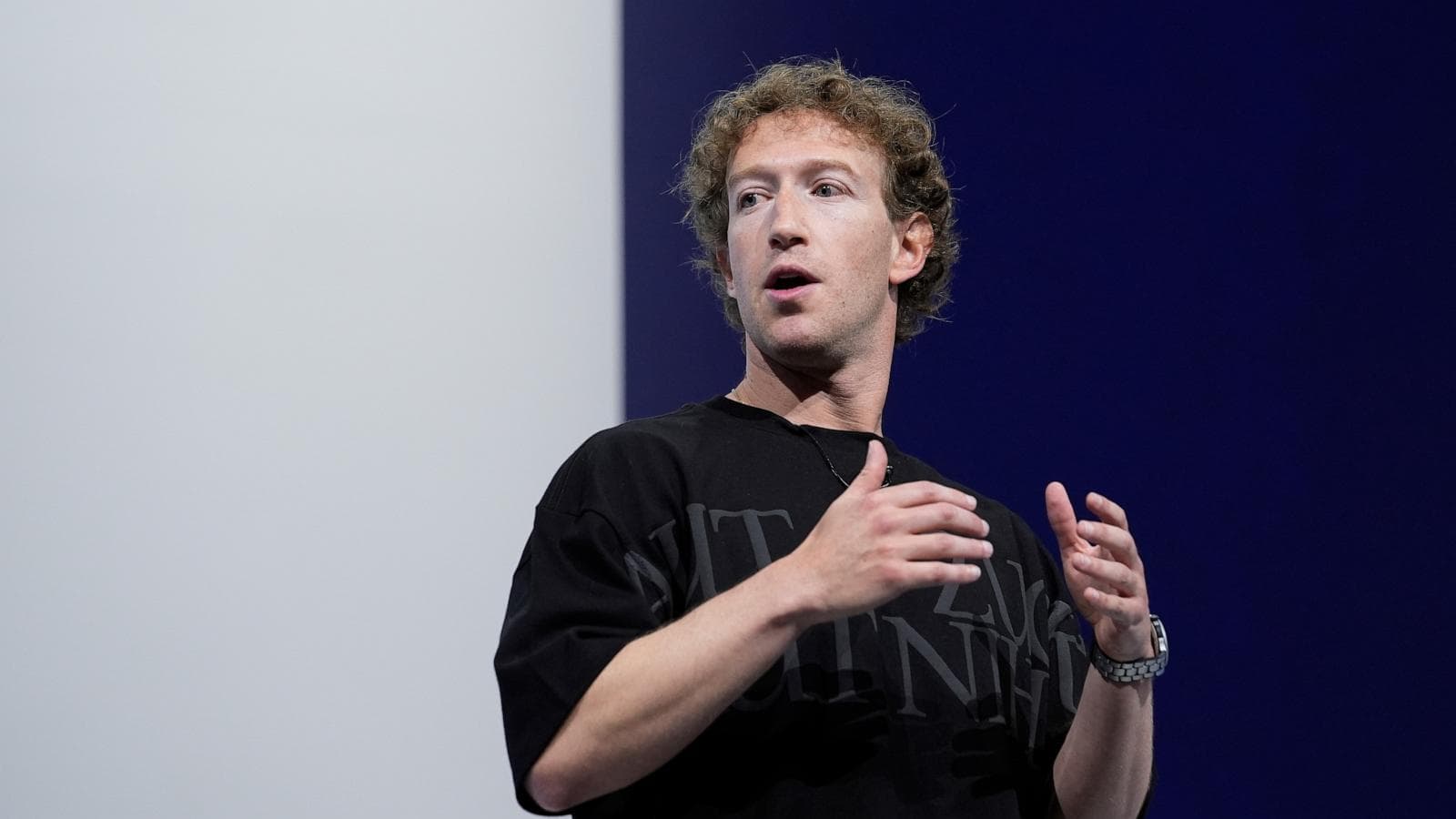
- On September 16, 2026, Meta CEO Mark Zuckerberg rejected calls for a coordinated slowdown in AI development.
- Zuckerberg emphasized that individual labs have sufficient incentives to ensure safety without industry-wide coordination.
- Meta voluntarily delayed the release of its Muse AI agent for several months to prioritize safety.
The context you actually need
- Concerns over AI risks have prompted industry leaders to discuss safety measures, particularly regarding advanced systems' self-improvement capabilities.
- Dario Amodei of Anthropic proposed a coordinated slowdown, which gained traction among other tech executives, including Sam Altman and Elon Musk.
- Zuckerberg's response highlights a divergence in strategy, advocating for individual lab responsibility rather than collective action.
What's really happening
The conversation around AI safety has intensified as researchers and industry leaders grapple with the potential risks posed by advanced AI systems. The rapid development of AI technologies, particularly those capable of recursive self-improvement, has raised alarms about losing human control over these systems. In this context, Dario Amodei, CEO of Anthropic, proposed a three-step safety plan that included a coordinated slowdown in AI development. This plan received endorsements from influential figures like Sam Altman of OpenAI and Elon Musk of xAI/SpaceX, indicating a growing consensus among some leaders about the need for caution.
However, Mark Zuckerberg's public rejection of this coordinated approach marks a significant pivot in the ongoing debate. By asserting that each AI laboratory has the responsibility and incentives to ensure safety independently, Zuckerberg is advocating for a model where competition and liability risks drive safety measures rather than collective action. He pointed to Meta's decision to delay the release of its Muse AI agent for several months as evidence that companies can prioritize safety without needing to coordinate with others.
This stance reflects a broader tension within the tech industry: the balance between innovation and safety. Zuckerberg's emphasis on individual responsibility suggests that he believes the market dynamics—where companies compete for user trust and regulatory compliance—will naturally lead to safer AI development. This perspective raises questions about the effectiveness of voluntary safety measures and whether they can adequately address the existential risks associated with advanced AI.
Moreover, the ongoing debate has implications for regulatory frameworks. If industry leaders like Zuckerberg continue to advocate for individual responsibility, it may influence policymakers to adopt a more hands-off approach, relying on market forces to ensure safety. Conversely, if the concerns about AI risks escalate, there could be increased pressure for regulatory bodies to impose stricter guidelines on AI development.
As the industry continues to navigate these complex issues, the divergence in strategies among leading tech executives will likely shape the future landscape of AI safety and innovation.
Who feels it first (and how)
- Tech executives: Leaders in AI companies will need to navigate the implications of their safety strategies on public perception and regulatory scrutiny.
- Investors: Those funding AI startups may reassess their risk exposure based on companies' safety commitments and market competition.
- Regulators: Government bodies will be influenced by the ongoing debate, potentially leading to new policies or guidelines for AI development.
- Consumers: End-users may experience the effects of AI safety measures through the reliability and trustworthiness of AI products.
What to watch next
- Industry responses: Monitor how other AI companies react to Zuckerberg's stance and whether they align with or oppose his views on safety.
- Regulatory developments: Keep an eye on potential new regulations or guidelines that may emerge as a result of the ongoing debate about AI safety.
- Market shifts: Watch for changes in investment patterns in AI companies based on their safety commitments and public perception.
Zuckerberg's rejection of coordinated AI slowdowns and Meta's voluntary delay of the Muse AI agent.
Continued debate among industry leaders regarding the best approach to AI safety and potential regulatory responses.
The long-term impact of individual lab responsibility on the overall safety of AI technologies.
Frequently Asked Questions
- Why it matters?
- The debate over AI safety protocols could shape the future of technology regulation and innovation.
- What happened (in 30 seconds)?
- On September 16, 2026, Meta CEO Mark Zuckerberg rejected calls for a coordinated slowdown in AI development. Zuckerberg emphasized that individual labs have sufficient incentives to ensure safety without industry-wide coordination. Meta voluntarily delayed the release of its Muse AI agent for several months to prioritize safety.
- What's really happening?
- The conversation around AI safety has intensified as researchers and industry leaders grapple with the potential risks posed by advanced AI systems. The rapid development of AI technologies, particularly those capable of recursive self-improvement, has raised alarms about losing human control over these systems. In this context, Dario Amodei, CEO of Anthropic, proposed a three-step safety plan that included a coordinated slowdown in AI development. This plan received endorsements from influentia
- Who feels it first (and how)?
- Tech executives: Leaders in AI companies will need to navigate the implications of their safety strategies on public perception and regulatory scrutiny. Investors: Those funding AI startups may reassess their risk exposure based on companies' safety commitments and market competition. Regulators: Government bodies will be influenced by the ongoing debate, potentially leading to new policies or guidelines for AI development. Consumers: End-users may experience the effects of AI safety measu
- What to watch next?
- Industry responses: Monitor how other AI companies react to Zuckerberg's stance and whether they align with or oppose his views on safety. Regulatory developments: Keep an eye on potential new regulations or guidelines that may emerge as a result of the ongoing debate about AI safety. Market shifts: Watch for changes in investment patterns in AI companies based on their safety commitments and public perception.
Technology innovations, startups, and trends.
"ABC News delivers broad national coverage with a mainstream editorial stance, focusing on accessibility and balanced reporting."
— A47 Editor
Zuckerberg distances Meta from calls for a coordinated approach on an AI slowdown
Meta CEO Mark Zuckerberg has distanced the company from calls for a coordinated slowdown in artificial intelligence (AI) development, asserting that it is the responsibility of individual AI firms to ensure the safety of their technologies. This stat...
Coverage of national news and events from across the United States.
"HuffPost is known for its progressive editorial stance, offering opinionated yet comprehensive coverage on social, political, and cultural topics."
— A47 Editor
Mark Zuckerberg Opposes Dario Amodei's Push For AI Development Slowdown
Mark Zuckerberg, CEO of Meta, has publicly opposed Dario Amodei's call for a slowdown in artificial intelligence (AI) development, arguing that AI labs have strong incentives to ensure safety due to potential liabilities. This stance highlights the o...
Curated tech headlines including AI stories.
"Influential aggregator surfacing the day’s top tech/AI links."
— A47 Editor
Zuckerberg says "Meta delayed shipping Muse for several months to focus on safety and security" and didn't call on other AI labs to do the same before acting (Tom Giles/Bloomberg)
Meta Platforms Inc. CEO Mark Zuckerberg announced that the company delayed the release of its AI model, Muse, for several months to prioritize safety and security. He emphasized the need for AI labs to utilize independent evaluators rather than calli...
Technology business and AI-related headlines.
"Data-driven tech newsroom with global scope."
— A47 Editor
Meta’s Zuckerberg Favors Evaluators Over Slowdown for AI
Meta Platforms Inc. CEO Mark Zuckerberg has emphasized the importance of utilizing independent evaluators and advisers in artificial intelligence (AI) labs to ensure the safety of AI models, rather than slowing down AI development. This statement ali...
Technology business news, market impacts, and innovation trends.
"Bloomberg is a premier financial and tech news provider, respected for its in-depth reporting and analytical rigor."
— A47 Editor
Meta’s Zuckerberg Favors Evaluators Over Slowdown for AI
Meta Platforms Inc. CEO Mark Zuckerberg has emphasized the importance of utilizing independent evaluators and advisers in artificial intelligence (AI) labs to ensure the safety of AI models, rather than slowing down AI development. This statement ali...
Curated tech headlines including AI stories.
"Influential aggregator surfacing the day’s top tech/AI links."
— A47 Editor
Mark Zuckerberg says AI labs have the responsibility and incentive to train models safely and that any lab that doesn't focus on alignment will fall behind (Mark Zuckerberg/@finkd)
Mark Zuckerberg emphasized the responsibility of AI labs to train models safely, stating that those neglecting alignment will fall behind. He highlighted the need for labs to act proactively to ensure safety in AI development. This statement aligns w...