
Riyadh Hosts Fourth UNESCO Global Forum on AI Ethics
Why it matters
The forum positions Saudi Arabia as a key player in shaping international AI ethics, influencing global standards that could affect your operations.
What happened (in 30 seconds)
- Riyadh hosted the Fourth UNESCO Global Forum on the Ethics of Artificial Intelligence from 14 to 17 September 2026.
- 1,200 participants from various sectors engaged in discussions on ethical AI governance and implementation.
- New governance tools were launched by UNESCO to aid countries in developing AI policies.
The context you actually need
- Saudi Arabia's Vision 2030 aims to establish the nation as a leader in responsible AI, aligning with global ethical standards.
- The establishment of ICAIRE in 2023 as a UNESCO Category 2 center underscores the country's commitment to AI ethics.
- The 2026 designation as the Year of Artificial Intelligence highlights ongoing efforts to foster international cooperation amid rapid technological advancements.
What's really happening
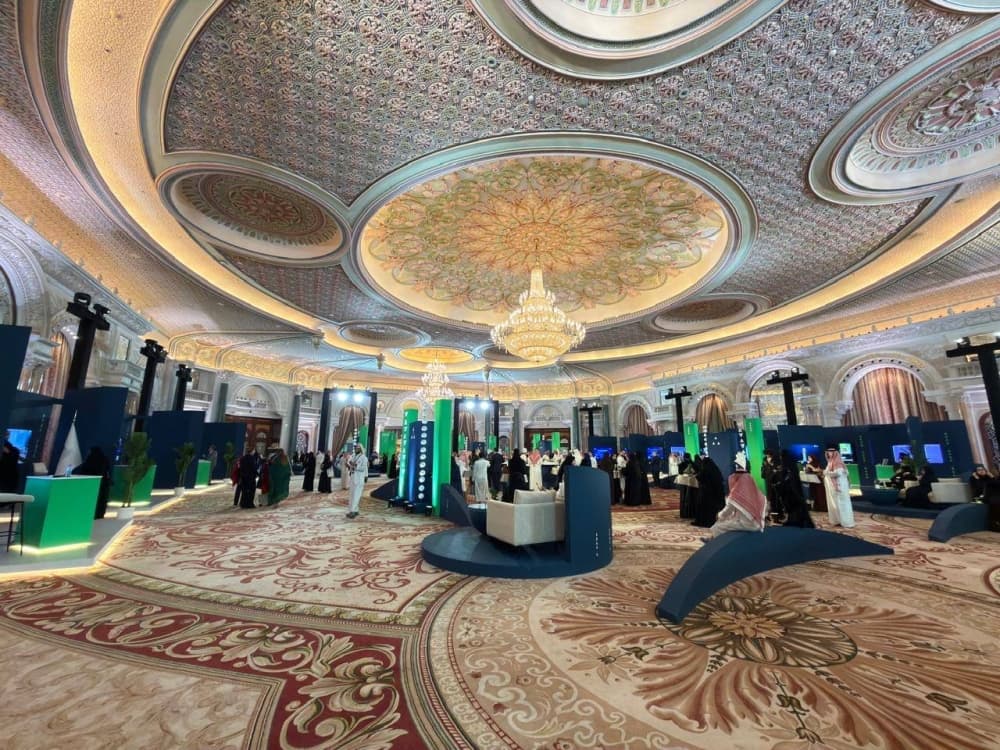
The Fourth UNESCO Global Forum on the Ethics of Artificial Intelligence (GFEAI 2026) marked a significant milestone in the global dialogue on AI governance, particularly as it was hosted in Riyadh, the first Arab nation to do so. This event attracted approximately 1,200 participants, including government officials, experts, and representatives from civil society, all focused on advancing ethical AI practices. The forum's agenda was rich with discussions on human-centered AI development, data privacy, algorithmic accountability, and the need for multilateral cooperation to translate ethical principles into actionable policies.
Saudi Arabia's strategic positioning as a leader in responsible AI is not coincidental. The nation has been actively pursuing initiatives under its Vision 2030 framework, which emphasizes technological advancement and ethical governance. The establishment of the International Center for AI Research and Ethics (ICAIRE) in 2023 as a UNESCO Category 2 center in Riyadh further solidifies this commitment. The forum served as a platform to showcase these efforts, with high-level ministerial dialogues addressing the intersection of AI, multilateralism, and diplomacy.
Throughout the forum, participants engaged in sessions that transitioned from theoretical principles to practical implementation. Topics included regional cooperation, data protection, and the importance of human oversight in sensitive sectors. The discussions highlighted the necessity for transparency, accountability, and risk management in AI applications. Side events, such as capacity-building workshops, aimed to empower participants and foster partnerships that could lead to collaborative efforts in AI ethics.
The aftermath of the forum saw UNESCO launching new governance tools designed to support national AI readiness assessments and policy development. The Saudi Data and AI Authority (SDAIA) recognized experts in the field and initiated programs like the Elevate program, aimed at promoting women's involvement in AI ethics. While the event did not trigger immediate market shifts, it reinforced the importance of continued multilateral collaboration in AI governance.
Who feels it first (and how)
- Government officials: They will need to adapt policies to align with new ethical standards.
- AI developers and tech companies: They may face stricter regulations and expectations regarding ethical AI practices.
- Academics and researchers: They will be involved in shaping and evaluating new governance frameworks.
- Civil society organizations: They will advocate for transparency and accountability in AI applications.
What to watch next
- Implementation of new governance tools: Monitoring how countries adopt and adapt these tools will reveal shifts in AI policy landscapes.
- Emergence of regional AI ethics standards: The alignment of Gulf countries on AI ethics could lead to harmonized regulations affecting cross-border operations.
- Growth of initiatives like Elevate: The success of programs aimed at increasing diversity in AI ethics could influence workforce dynamics in the tech sector.
The forum successfully convened a diverse group of stakeholders to discuss AI ethics.
Countries will begin to implement new governance tools and frameworks discussed at the forum.
The long-term impact on market dynamics and specific regulatory changes remains to be seen.
Frequently Asked Questions
- Why it matters?
- The forum positions Saudi Arabia as a key player in shaping international AI ethics, influencing global standards that could affect your operations.
- What happened (in 30 seconds)?
- Riyadh hosted the Fourth UNESCO Global Forum on the Ethics of Artificial Intelligence from 14 to 17 September 2026. 1,200 participants from various sectors engaged in discussions on ethical AI governance and implementation. New governance tools were launched by UNESCO to aid countries in developing AI policies.
- What's really happening?
- The Fourth UNESCO Global Forum on the Ethics of Artificial Intelligence (GFEAI 2026) marked a significant milestone in the global dialogue on AI governance, particularly as it was hosted in Riyadh, the first Arab nation to do so. This event attracted approximately 1,200 participants, including government officials, experts, and representatives from civil society, all focused on advancing ethical AI practices. The forum's agenda was rich with discussions on human-centered AI development, data pri
- Who feels it first (and how)?
- Government officials: They will need to adapt policies to align with new ethical standards. AI developers and tech companies: They may face stricter regulations and expectations regarding ethical AI practices. Academics and researchers: They will be involved in shaping and evaluating new governance frameworks. Civil society organizations: They will advocate for transparency and accountability in AI applications.
- What to watch next?
- Implementation of new governance tools: Monitoring how countries adopt and adapt these tools will reveal shifts in AI policy landscapes. Emergence of regional AI ethics standards: The alignment of Gulf countries on AI ethics could lead to harmonized regulations affecting cross-border operations. Growth of initiatives like Elevate: The success of programs aimed at increasing diversity in AI ethics could influence workforce dynamics in the tech sector.
Arabic-language coverage of Saudi, regional, and international affairs.
"Al Bilad offers mainstream Saudi newspaper coverage across domestic and broader Arab topics."
— A47 Editor
خلال منتدى الرياض الاقتصادي في أكتوبر المقبل.. توظيف الزراعة الذكية لتحقيق الأمن المائي والغذائي للسعودية
The Riyadh Economic Forum is set to take place from October 12 to 14, 2026, focusing on the integration of smart agricultural technologies to enhance water and food security in Saudi Arabia. This initiative aims to leverage artificial intelligence an...
Arabic-language reporting focused on Saudi domestic affairs and current events.
"Al Watan is a mainstream Saudi newspaper with strong domestic coverage and a broad general-news profile."
— A47 Editor
الرياض تجمع العالم لصياغة أخلاقيات الذكاء الاصطناعي
The UNESCO Global Forum on Artificial Intelligence Ethics 2026 convened in Riyadh, bringing together officials, experts, and representatives from international organizations, the private sector, and civil society to discuss common guidelines ensuring...
Sports reporting with a focus on Saudi and regional competitions.
"Okaz sports coverage is broad and audience-friendly, with strong attention to Saudi teams and leagues."
— A47 Editor
«الرياض الاقتصادي» يناقش أثر التشريعات في التنمية المستدامة بالسعودية
The Riyadh Economic Forum is set to discuss the impact of legislation on sustainable development in Saudi Arabia during its twelfth session from October 12 to 14, 2026. The forum will focus on a study measuring the effects of public policies and legi...