
Rabbit Launches OS3, Transitioning to Software-Centric AI Solutions
Why it matters
The transition to OS3 signifies a broader trend in the tech industry, where software capabilities are increasingly prioritized over hardware limitations.
What happened (in 30 seconds)
- Rabbit announced OS3 on September 22, 2026, a cloud-based agentic operating system that operates across multiple devices.
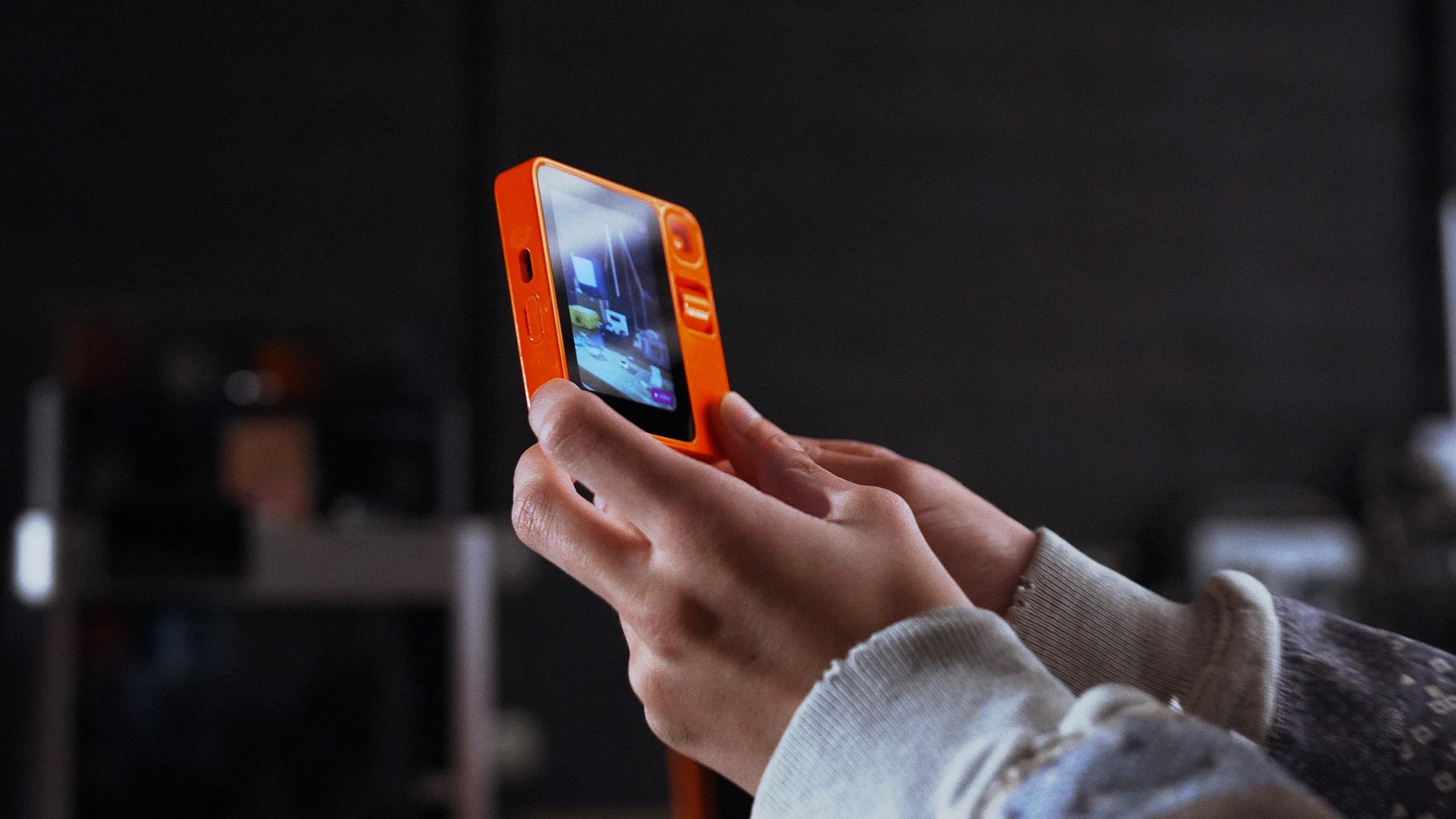
- The company discontinued R1 hardware production, focusing instead on software solutions that enhance user experience without dedicated devices.
- OS3 allows users to execute tasks via local agents on various platforms, accessible through popular messaging apps and browsers.
The context you actually need
- Rabbit's initial hardware, the R1 device, launched in 2024, struggled with reliability and faced financial challenges, leading to a lean operational team.
- OS3 leverages cloud orchestration to connect with local devices, enabling users to manage tasks more efficiently without the need for specialized hardware.
- The software's design emphasizes data privacy, allowing users to control their AI interactions while maintaining local execution capabilities.
What's really happening
Rabbit's OS3 launch marks a significant pivot in the company's strategy, moving away from hardware dependency to a more flexible software-centric approach. This shift is driven by several factors, including the maturation of AI agent technology and the company's financial constraints after raising approximately $60 million. The R1 device, which aimed to revolutionize task execution through a Large Action Model (LAM), received mixed reviews due to its unreliable agentic features. This feedback, coupled with regulatory hurdles in key markets like India, forced Rabbit to reassess its business model.
With OS3, Rabbit introduces a cloud-orchestrated AI platform that connects to up to five local devices, allowing users to execute tasks directly from their preferred interfaces, such as web browsers or messaging apps like Telegram and iMessage. This flexibility is crucial in today's multi-device environment, where users expect seamless integration across their digital lives. The Bring Your Own Key model for AI providers further enhances user control, eliminating subscription fees and promoting a more personalized experience.
The discontinuation of R1 hardware production indicates a strategic retreat from a hardware-centric model, which had become unsustainable. Instead, Rabbit is focusing on developing a future cyberdeck hardware that will run OS3, suggesting a long-term vision that embraces both software and hardware in a more integrated manner. The emphasis on local execution and user-controlled models also addresses growing concerns around data privacy, positioning Rabbit as a forward-thinking player in the AI space.
As OS3 becomes generally available, it has sparked renewed interest in consumer AI agents, with many users eager to explore its capabilities. The market is now watching closely to see how Rabbit's software-first approach will influence the broader landscape of AI technology, particularly in terms of interoperability and multi-device orchestration.
Who feels it first (and how)
- Tech enthusiasts: Early adopters of AI technology will explore OS3's capabilities and its integration across devices.
- Small businesses: Companies looking for cost-effective AI solutions will benefit from OS3's software-first model without the need for new hardware.
- Developers: Those creating applications for OS3 will find new opportunities in building tools that leverage its agentic capabilities.
What to watch next
- User adoption rates: Monitoring how quickly users transition to OS3 will indicate its market acceptance and potential for growth.
- Partnerships with AI providers: Collaborations that enhance OS3's functionality could expand its ecosystem and user base.
- Regulatory responses: Any governmental reactions to OS3's data privacy measures will be crucial in shaping its future development and market strategy.
OS3 is generally available and focuses on software capabilities over hardware.
Increased interest in consumer AI agents as users explore OS3's functionalities.
The long-term impact of OS3 on Rabbit's financial stability and market position.
Frequently Asked Questions
- Why it matters?
- The transition to OS3 signifies a broader trend in the tech industry, where software capabilities are increasingly prioritized over hardware limitations.
- What happened (in 30 seconds)?
- Rabbit announced OS3 on September 22, 2026, a cloud-based agentic operating system that operates across multiple devices. The company discontinued R1 hardware production, focusing instead on software solutions that enhance user experience without dedicated devices. OS3 allows users to execute tasks via local agents on various platforms, accessible through popular messaging apps and browsers.
- What's really happening?
- Rabbit's OS3 launch marks a significant pivot in the company's strategy, moving away from hardware dependency to a more flexible software-centric approach. This shift is driven by several factors, including the maturation of AI agent technology and the company's financial constraints after raising approximately $60 million. The R1 device, which aimed to revolutionize task execution through a Large Action Model (LAM), received mixed reviews due to its unreliable agentic features. This feedback, c
- Who feels it first (and how)?
- Tech enthusiasts: Early adopters of AI technology will explore OS3's capabilities and its integration across devices. Small businesses: Companies looking for cost-effective AI solutions will benefit from OS3's software-first model without the need for new hardware. Developers: Those creating applications for OS3 will find new opportunities in building tools that leverage its agentic capabilities.
- What to watch next?
- User adoption rates: Monitoring how quickly users transition to OS3 will indicate its market acceptance and potential for growth. Partnerships with AI providers: Collaborations that enhance OS3's functionality could expand its ecosystem and user base. Regulatory responses: Any governmental reactions to OS3's data privacy measures will be crucial in shaping its future development and market strategy.
Tech news, hardware, and AI tools coverage.
"PC/tech site increasingly covering AI hardware and apps."
— A47 Editor
Rabbit launches OS3, an agentic AI platform for desktop, Telegram, and iMessage
Rabbit has launched OS3, an agentic AI platform that connects to Windows, Mac, and Linux systems through a local agent, enabling interaction with desktop applications, files, and web pages. The platform utilizes Direct Large Action Model (DLAM) techn...
AI news with an enterprise and cloud focus.
"Covers AI in the context of data infrastructure, cloud, and enterprise stacks."
— A47 Editor
Rabbit returns with OS3, a personal AI agent that can access files and connect computers
Rabbit Inc. has introduced OS3, a cloud-based personal AI agent that connects to users' devices, enhancing accessibility to files and applications. This innovation follows the company's previous success with the R1 AI-enabled mobile device, marking a...
Curated tech headlines including AI stories.
"Influential aggregator surfacing the day’s top tech/AI links."
— A47 Editor
Rabbit launches OS3, a cloud AI agent that connects to local apps and files on Windows, Mac, and Linux and works via web, Telegram, iMessage, or its R1 device (Julian Chokkattu/Wired)
Rabbit has launched OS3, a cloud AI agent designed to connect with local applications and files across multiple operating systems, including Windows, Mac, and Linux. This new agent can be accessed via web platforms, Telegram, iMessage, or Rabbit's R1...
Consumer tech and culture with frequent AI coverage.
"Influential tech outlet covering AI products and policy."
— A47 Editor
Rabbit’s new AI agent doesn’t need an R1 to run
Rabbit has announced the launch of a standalone AI agent that operates independently of its previously released R1 device. This new OS3, referred to as an 'agentic operating system,' runs in the cloud while being compatible with Windows, Mac, and Lin...
Tech news, reviews, and analysis of consumer electronics, science, art, and culture.
"The Verge is a technology-focused media outlet known for in-depth reporting, product reviews, and coverage of the intersection between technology and culture."
— A47 Editor
Rabbit’s new AI agent doesn’t need an R1 to run
Rabbit has announced the launch of a standalone AI agent that operates independently of its previously released R1 device. This new OS3, referred to as an 'agentic operating system,' runs in the cloud while being compatible with Windows, Mac, and Lin...
Emerging technologies, digital transformation, IT, and cultural impact of tech.
"WIRED covers the intersection of technology, culture, and politics with a progressive, forward-looking editorial stance."
— A47 Editor
Rabbit Is Back, This Time With an AI Agent App
Rabbit has re-entered the technology market with the launch of OS3, a cross-platform AI agent app that operates independently of its previous hardware, the R1. This new application is designed to function seamlessly on existing devices, including Win...