
Meta Launches Camera-Free Ray-Ban Audio Glasses to Mitigate Privacy Issues
Why it matters
The shift to camera-free devices reflects a broader industry response to privacy scrutiny, impacting consumer trust and market dynamics.
What happened (in 30 seconds)
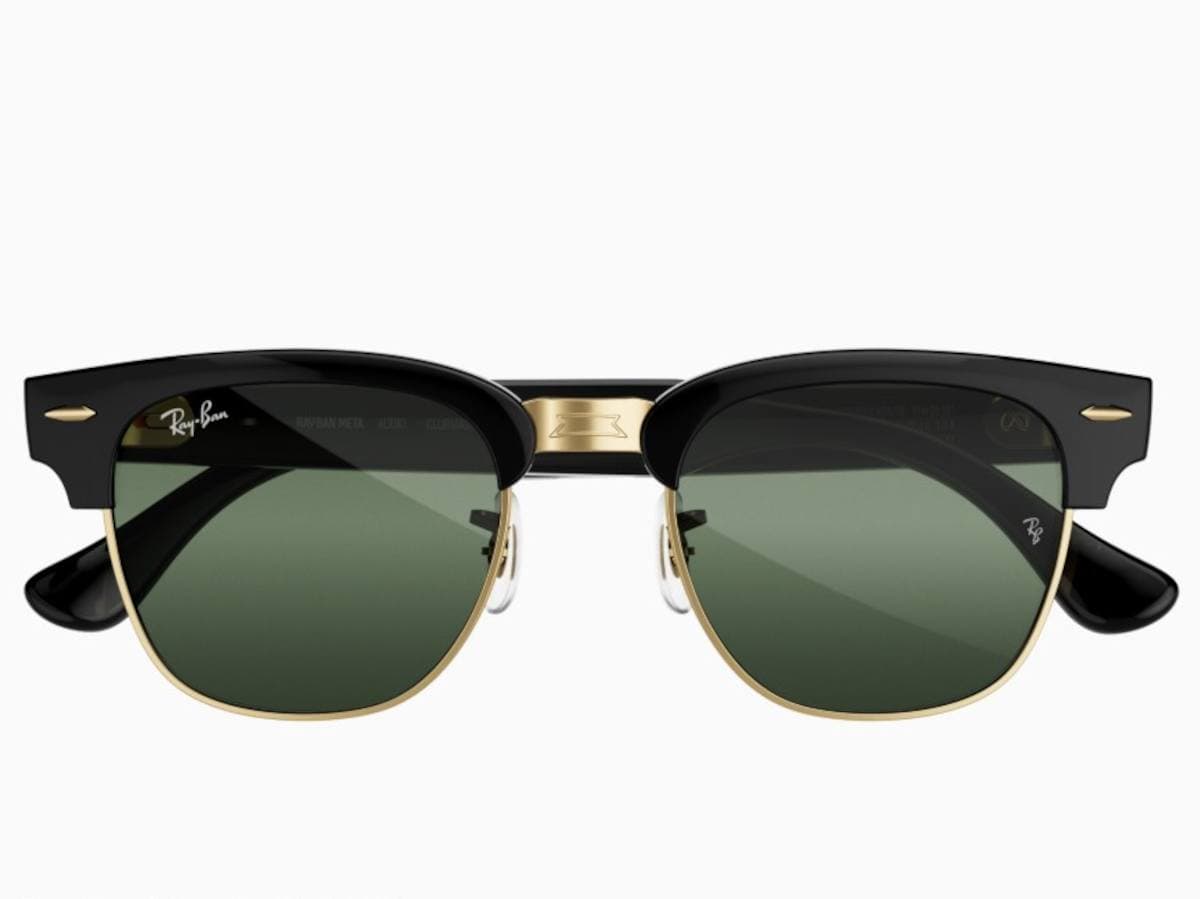
- Meta unveiled camera-free, audio-only smart glasses, the Ray-Ban Meta Audio, on September 23, 2026.
- The glasses feature FDA-cleared hearing aid functionality and integration with the Muse AI assistant, while eliminating cameras to address privacy concerns.
- Pre-orders are open at a starting price of $349, with shipping set to begin on October 13, 2026.
The context you actually need
- Smart glasses shipments surged, with AI-equipped models making up 88% of the market in H2 2025, and Meta holding over 80% market share.
- Privacy issues have plagued smart glasses, leading to criminal investigations in France over non-consensual recording, prompting Meta's pivot.
- The Ray-Ban Meta Audio glasses are designed to mitigate backlash while enhancing user experience with improved battery life and classic styles.
What's really happening
Meta's introduction of camera-free Ray-Ban Meta Audio smart glasses is a calculated response to growing privacy concerns that have plagued the tech industry, particularly in the realm of wearable devices. The decision to eliminate cameras addresses significant backlash from consumers and regulators alike, especially following recent criminal investigations in France regarding the covert recording capabilities of existing smart glasses.
By focusing on audio functionality, Meta aims to shift the narrative from privacy invasion to enhanced user experience. The glasses not only support music playback and calls but also feature FDA-cleared hearing aid capabilities, catering to a broader audience that includes those with mild to moderate hearing loss. This dual functionality positions the product as both a tech gadget and a health device, potentially expanding its market reach.
The design improvements, such as a slimmer profile and longer battery life, are also strategic moves to enhance user appeal. The removal of cameras allows for a lighter, more comfortable product, which is crucial in a market where wearability is a key factor for consumer acceptance. The classic Ray-Ban styles further leverage brand recognition and consumer loyalty, making the product more attractive to potential buyers.
However, while the announcement highlights these features, it does not introduce new public privacy controls, which some analysts, like Forrester's Kate Winick, argue is a missed opportunity to genuinely address consumer concerns. Instead, the focus remains on the technical specifications and the potential for improved user experience, which may not fully alleviate the underlying issues of privacy and trust.
This strategic pivot reflects a broader trend in the tech industry, where companies are increasingly aware of the reputational risks associated with privacy violations. As Meta navigates this landscape, the success of the Ray-Ban Meta Audio glasses will depend not only on their technical performance but also on how effectively they can rebuild consumer trust in smart wearable technology.
Who feels it first (and how)
- Consumers: Individuals concerned about privacy will likely feel reassured by the absence of cameras.
- Tech enthusiasts: Early adopters of smart glasses will be interested in the new features and improved design.
- Hearing aid users: Those with mild to moderate hearing loss may benefit from the FDA-cleared functionality.
- Regulators: Authorities monitoring privacy issues will scrutinize the effectiveness of this camera-free approach.
What to watch next
- Consumer feedback: Monitor reviews and user experiences post-launch to gauge acceptance and trust levels.
- Regulatory responses: Watch for any new regulations or guidelines that may emerge in response to privacy concerns in tech.
- Market trends: Observe how competitors react to Meta's strategy and whether they introduce similar camera-free products.
Meta's Ray-Ban Meta Audio glasses are camera-free and feature audio capabilities.
Consumer demand for privacy-focused tech products will continue to grow.
The long-term impact on Meta's reputation and market share remains to be seen.
Frequently Asked Questions
- Why it matters?
- The shift to camera-free devices reflects a broader industry response to privacy scrutiny, impacting consumer trust and market dynamics.
- What happened (in 30 seconds)?
- Meta unveiled camera-free, audio-only smart glasses, the Ray-Ban Meta Audio, on September 23, 2026. The glasses feature FDA-cleared hearing aid functionality and integration with the Muse AI assistant, while eliminating cameras to address privacy concerns. Pre-orders are open at a starting price of $349, with shipping set to begin on October 13, 2026.
- What's really happening?
- Meta's introduction of camera-free Ray-Ban Meta Audio smart glasses is a calculated response to growing privacy concerns that have plagued the tech industry, particularly in the realm of wearable devices. The decision to eliminate cameras addresses significant backlash from consumers and regulators alike, especially following recent criminal investigations in France regarding the covert recording capabilities of existing smart glasses. By focusing on audio functionality, Meta aims to shift the
- Who feels it first (and how)?
- Consumers: Individuals concerned about privacy will likely feel reassured by the absence of cameras. Tech enthusiasts: Early adopters of smart glasses will be interested in the new features and improved design. Hearing aid users: Those with mild to moderate hearing loss may benefit from the FDA-cleared functionality. Regulators: Authorities monitoring privacy issues will scrutinize the effectiveness of this camera-free approach.
- What to watch next?
- Consumer feedback: Monitor reviews and user experiences post-launch to gauge acceptance and trust levels. Regulatory responses: Watch for any new regulations or guidelines that may emerge in response to privacy concerns in tech. Market trends: Observe how competitors react to Meta's strategy and whether they introduce similar camera-free products.
Business and tech news excluding paywalled content.
"High-volume business/tech outlet with frequent AI coverage."
— A47 Editor
Meta smart glasses have a new AI-training opt-out
Meta has updated the privacy settings for its smart glasses, allowing users to opt out of sending visual data for AI training. This change reflects the company's response to increasing privacy concerns surrounding the use of smart eyewear technology.
Tech, science, and startup news including AI.
"Irish tech outlet covering innovation and AI."
— A47 Editor
Meta unveils camera-free, audio-only smart glasses
Meta has unveiled a new line of smart glasses at the Meta Connect conference in Menlo Park, California, including a camera-free, audio-only version designed to address privacy concerns associated with previous models. This shift comes amid growing sc...
Corporate news, economic trends, and markets with UK and global scope.
"BBC News is widely regarded as reputable and impartial, with a public service mandate."
— A47 Editor
They were labelled 'pervert glasses'. Will a camera-free version transform their image?
Meta has launched a new line of audio-only smart glasses at the Meta Connect conference in Menlo Park, California, aiming to address privacy concerns associated with their previous camera-equipped models, which faced significant backlash and were lab...
International coverage of politics, culture, and current affairs.
"BBC News is widely regarded as a reputable international news organization, known for its impartial tone and public service mandate."
— A47 Editor
They were labelled 'pervert glasses'. Will a camera-free version transform their image?
Meta has launched a new line of audio-only smart glasses at the Meta Connect conference in Menlo Park, California, aiming to address privacy concerns associated with their previous camera-equipped models, which faced significant backlash and were lab...
Covers consumer technology, electronics, gadgets, and product reviews.
"Engadget is a trusted source for gadget reviews and consumer tech news, known for its hands-on analysis and industry coverage."
— A47 Editor
Meta will stop training its AI on 'visual data' from its smart glasses — if you opt out
Meta has announced that it will cease training its artificial intelligence on visual data collected from its smart glasses, provided users opt out of this data usage. This decision comes amidst growing scrutiny over privacy concerns related to the us...
Consumer technology news with AI coverage.
"Gadget and tech site reporting on AI in products."
— A47 Editor
Meta will stop training its AI on 'visual data' from its smart glasses — if you opt out
Meta has announced that it will cease training its artificial intelligence on visual data collected from its smart glasses, provided users opt out of this data usage. This decision comes amidst growing scrutiny over privacy concerns related to the us...
Startup news with frequent AI coverage.
"Covers launches, funding, and product updates in AI."
— A47 Editor
Meta introduces camera-free AI glasses
Meta has unveiled a new line of camera-free AI glasses, designed to be lighter and offering up to 12 hours of battery life. This announcement was made during the Meta Connect conference held in Menlo Park, California, where the company showcased vari...