
Meta Launches Enterprise AI Platform to Compete in Business Software Market
Why it matters
Meta's entry into the enterprise AI market intensifies competition, potentially lowering costs and increasing innovation for businesses.
What happened (in 30 seconds)
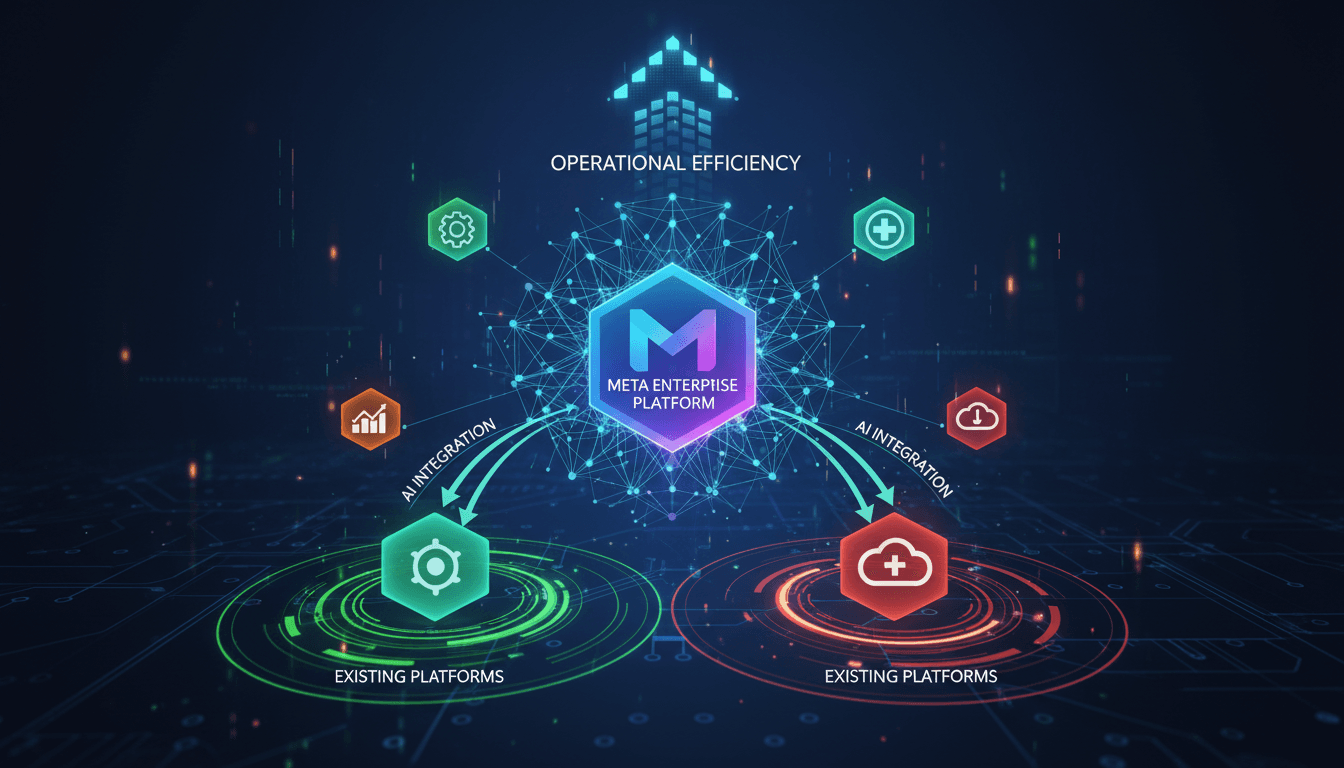
- Meta launched its Meta Enterprise Platform on September 28, 2026, aiming to compete with Microsoft and Salesforce.
- Chirantan “CJ” Desai, former MongoDB CEO, was appointed to lead the new business unit.
- Initial offerings include AI agents and tools designed for internal enterprise operations, but details on pricing and security remain undisclosed.
The context you actually need
- Meta has invested heavily in AI infrastructure, with expected capital expenditures between $130–145 billion in 2026, primarily for data center capacity.
- The platform builds on Meta's existing consumer-facing AI tools, such as Muse, and aims to extend its influence into business operations.
- Competitors like Microsoft and Salesforce are already embedding AI capabilities into their products, making this a critical moment for Meta to establish its presence.
What's really happening
Meta's launch of the Enterprise Platform marks a significant pivot from its traditional focus on consumer products and advertising revenue. By creating a dedicated business unit, Meta aims to leverage its extensive investments in AI technology and infrastructure to penetrate the enterprise software market. This move is not just about expanding its product offerings; it’s a strategic response to the growing demand for AI-driven solutions in business operations.
The platform bundles several AI tools, including the Muse general-purpose agent and the Meta Business Agent, which are designed to enhance customer interactions and streamline operational tasks. This integration of AI into enterprise workflows aligns with a broader industry trend where companies are increasingly adopting autonomous AI agents to improve efficiency and reduce costs.
However, the announcement raises critical questions about trust and security. As businesses consider adopting Meta's technology, they will need assurances regarding data privacy and the reliability of AI systems. The lack of detailed information on pricing and enterprise controls at launch could hinder early adoption, as companies weigh the risks against potential benefits.
Meta's strategy also reflects a shift in the competitive landscape. By positioning itself against established players like Microsoft and Salesforce, Meta is betting on its ability to attract businesses that are already familiar with its consumer platforms. This could create a seamless transition for companies looking to integrate AI into their operations, especially those already using Meta's messaging services for customer interactions.
The implications of this launch extend beyond Meta itself. As competition intensifies, businesses may see a reduction in costs associated with AI tools, leading to more accessible technology for smaller enterprises. Additionally, the focus on operational AI could drive innovation across the sector, prompting other companies to enhance their offerings or risk falling behind.
Who feels it first (and how)
- Business leaders in tech and operations will need to evaluate new tools for efficiency.
- Small to medium enterprises may benefit from lower costs and improved access to AI technologies.
- IT departments will face new challenges in integrating Meta's tools with existing systems.
- Data privacy officers will need to scrutinize Meta's security measures before adoption.
What to watch next
- Pricing announcements: Understanding how Meta prices its services will be crucial for businesses considering adoption.
- Customer feedback: Early adopters' experiences will provide insights into the platform's effectiveness and reliability.
- Competitive responses: Watch how Microsoft and Salesforce react to Meta's entry, as they may enhance their offerings or adjust pricing strategies.
Meta has launched the Enterprise Platform and appointed a new leader for the unit.
Increased competition in the enterprise AI market will lead to innovation and potentially lower costs for businesses.
The specifics of pricing, security controls, and customer trust remain to be clarified.
Frequently Asked Questions
- Why it matters?
- Meta's entry into the enterprise AI market intensifies competition, potentially lowering costs and increasing innovation for businesses.
- What happened (in 30 seconds)?
- Meta launched its Meta Enterprise Platform on September 28, 2026, aiming to compete with Microsoft and Salesforce. Chirantan “CJ” Desai, former MongoDB CEO, was appointed to lead the new business unit. Initial offerings include AI agents and tools designed for internal enterprise operations, but details on pricing and security remain undisclosed.
- What's really happening?
- Meta's launch of the Enterprise Platform marks a significant pivot from its traditional focus on consumer products and advertising revenue. By creating a dedicated business unit, Meta aims to leverage its extensive investments in AI technology and infrastructure to penetrate the enterprise software market. This move is not just about expanding its product offerings; it’s a strategic response to the growing demand for AI-driven solutions in business operations. The platform bundles several AI to
- Who feels it first (and how)?
- Business leaders in tech and operations will need to evaluate new tools for efficiency. Small to medium enterprises may benefit from lower costs and improved access to AI technologies. IT departments will face new challenges in integrating Meta's tools with existing systems. Data privacy officers will need to scrutinize Meta's security measures before adoption.
- What to watch next?
- Pricing announcements: Understanding how Meta prices its services will be crucial for businesses considering adoption. Customer feedback: Early adopters' experiences will provide insights into the platform's effectiveness and reliability. Competitive responses: Watch how Microsoft and Salesforce react to Meta's entry, as they may enhance their offerings or adjust pricing strategies.
News and guidance for IT pros on AI adoption.
"Enterprise-focused tips, explainers, and news for professionals."
— A47 Editor
Meta Wants to Run Your Business With AI — Microsoft and Salesforce Have a New Rival
Meta has launched its Enterprise Platform, introducing AI tools such as Muse and Business Agent to compete with established players like Microsoft and Salesforce. This initiative aims to provide businesses with advanced AI capabilities to enhance ope...
Consumer technology news with AI coverage.
"Gadget and tech site reporting on AI in products."
— A47 Editor
Meta is starting an enterprise business to justify its massive AI spending
Meta has announced the initiation of an enterprise business aimed at selling its artificial intelligence products and services to other companies, a strategic move to justify its substantial investments in AI technology. This development comes as the...
Daily AI news: models, tools, and policy.
"Independent outlet tracking the fast pace of AI."
— A47 Editor
Meta wants to turn Muse into a moneymaker by selling AI services to businesses
Meta has launched the Meta Enterprise Platform, a new business unit aimed at selling AI tools, including its AI agent Muse, to companies. This initiative is part of Meta's strategy to monetize its AI technologies and expand its market presence.
Tech business coverage, major deals, product launches, and Silicon Valley trends.
"WSJ’s tech section offers authoritative reporting on the intersection of technology and business, including exclusive industry analysis."
— A47 Editor
Meta Seeks Payoff From AI Spending With New Push for Business Customers
Meta is intensifying its efforts to monetize its substantial investments in artificial intelligence (AI) by targeting business customers with new tools and services. This strategy aims to leverage the company's advancements in AI technology to enhanc...