
Amazon's AI Smart Glasses for Delivery Drivers Spark Privacy Concerns
Why it matters
The introduction of AI smart glasses for delivery drivers signals a significant shift in operational efficiency and privacy dynamics in the gig economy.
What happened (in 30 seconds)
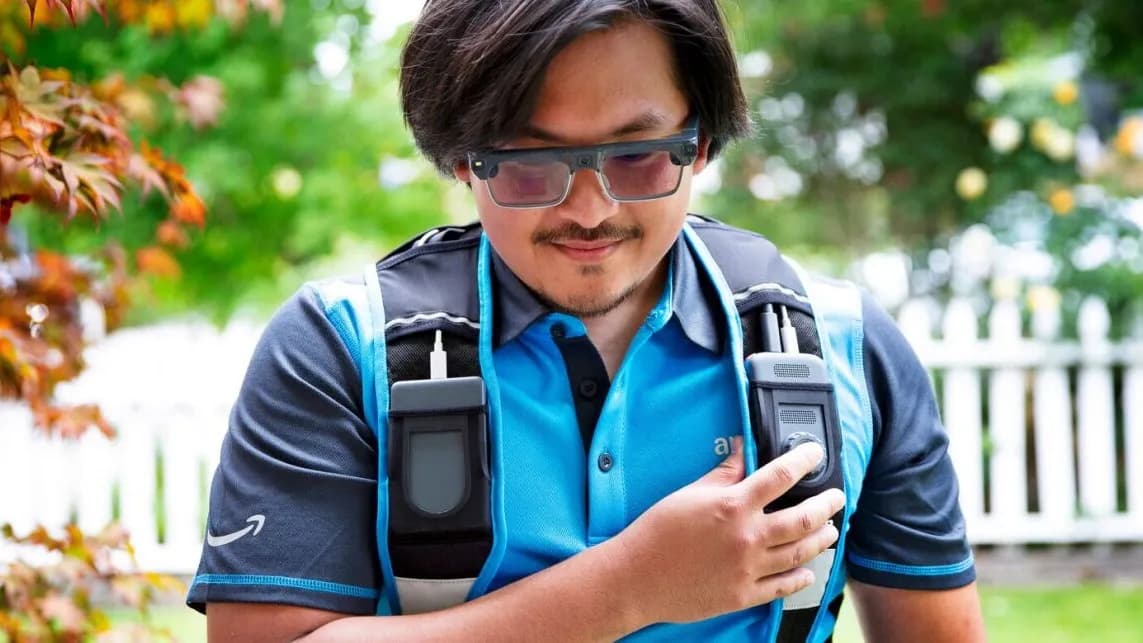
- Amazon announced plans to deploy AI-powered smart glasses to delivery drivers, capturing frequent images of their surroundings.
- Privacy concerns have emerged regarding the continuous image capture of private property and individuals without explicit customer consent.
- The pilot phase aims to equip 5,000 drivers by the end of 2026, with expansion to over 20,000 by the end of 2027.
The context you actually need
- Amazon's initiative follows the unveiling of prototypes in October 2025, designed to enhance delivery efficiency through hands-free navigation and data collection.
- The glasses integrate with Amazon's Wellspring AI platform, raising debates about workforce surveillance and privacy rights.
- Driver forums have expressed concerns about intensified monitoring and the potential impact on job performance and security.
What's really happening
Amazon's deployment of AI smart glasses for delivery drivers is a strategic move aimed at enhancing operational efficiency while simultaneously igniting a complex debate over privacy. The glasses, codenamed Amelia, are equipped with cameras and sensors that allow drivers to navigate hands-free, scan packages, and capture proof of delivery. This technology is designed to feed data into Amazon's Wellspring AI mapping platform, which optimizes delivery routes and improves service efficiency.
However, the initiative has raised significant privacy concerns. The glasses are reported to capture thousands of images per shift, including those of private properties and individuals, without obtaining explicit consent from customers. Critics argue that this continuous image capture constitutes a form of surveillance, especially since the images are reviewed by human analysts and stored for potential warrant-based access. Amazon has countered these claims by emphasizing the voluntary nature of the program, the incorporation of privacy features such as automatic blurring of identifiable information, and the assertion that the technology is not intended for surveillance purposes.
The implications of this technology extend beyond Amazon's delivery operations. The ongoing pilot phase, which aims to equip 5,000 drivers by the end of 2026 and expand to over 20,000 by the end of 2027, reflects a broader trend in the gig economy where technology is increasingly used to monitor and optimize worker performance. This raises questions about the balance between operational efficiency and workers' rights to privacy. As delivery drivers express concerns about the potential for increased monitoring and performance pressure, the conversation around workplace surveillance is likely to intensify.
Moreover, the lack of customer opt-out mechanisms for image capture could lead to a backlash from consumers who value their privacy. As public awareness of these issues grows, Amazon may face increased scrutiny from regulatory bodies and advocacy groups, similar to previous controversies surrounding in-vehicle cameras used for driver monitoring. The outcome of this initiative could set a precedent for how technology is integrated into the workforce and how privacy rights are protected in the digital age.
Who feels it first (and how)
- Delivery drivers: Increased monitoring and potential job performance pressure.
- Consumers: Concerns over privacy and data security regarding package deliveries.
- Regulatory bodies: Potential for increased scrutiny and calls for regulations on surveillance technologies.
What to watch next
- Regulatory responses: Monitor for any governmental actions or regulations addressing privacy concerns related to the smart glasses.
- Public sentiment: Watch for shifts in consumer attitudes towards Amazon's delivery services as privacy issues gain more attention.
- Driver feedback: Keep an eye on driver forums and communities for ongoing discussions about the impact of the glasses on their work experience.
Amazon plans to equip 5,000 drivers with AI smart glasses by the end of 2026.
Increased public scrutiny and potential regulatory responses regarding privacy issues.
The long-term impact on driver performance and consumer trust in Amazon's delivery services.
Frequently Asked Questions
- Why it matters?
- The introduction of AI smart glasses for delivery drivers signals a significant shift in operational efficiency and privacy dynamics in the gig economy.
- What happened (in 30 seconds)?
- Amazon announced plans to deploy AI-powered smart glasses to delivery drivers, capturing frequent images of their surroundings. Privacy concerns have emerged regarding the continuous image capture of private property and individuals without explicit customer consent. The pilot phase aims to equip 5,000 drivers by the end of 2026, with expansion to over 20,000 by the end of 2027.
- What's really happening?
- Amazon's deployment of AI smart glasses for delivery drivers is a strategic move aimed at enhancing operational efficiency while simultaneously igniting a complex debate over privacy. The glasses, codenamed Amelia, are equipped with cameras and sensors that allow drivers to navigate hands-free, scan packages, and capture proof of delivery. This technology is designed to feed data into Amazon's Wellspring AI mapping platform, which optimizes delivery routes and improves service efficiency. Howev
- Who feels it first (and how)?
- Delivery drivers: Increased monitoring and potential job performance pressure. Consumers: Concerns over privacy and data security regarding package deliveries. Regulatory bodies: Potential for increased scrutiny and calls for regulations on surveillance technologies.
- What to watch next?
- Regulatory responses: Monitor for any governmental actions or regulations addressing privacy concerns related to the smart glasses. Public sentiment: Watch for shifts in consumer attitudes towards Amazon's delivery services as privacy issues gain more attention. Driver feedback: Keep an eye on driver forums and communities for ongoing discussions about the impact of the glasses on their work experience.
Latest tech news, product reviews, and analysis for consumers and professionals.
"CNET delivers accessible and detailed technology reporting, including trusted product reviews and how-to guides."
— A47 Editor
Amazon Delivery Driver Smart Glasses Will Snap Pictures of… Everything?
Amazon is advancing its technology initiatives by introducing smart glasses for delivery drivers, which are designed to capture images continuously throughout their shifts. This move has sparked significant privacy concerns, as the glasses could pote...
News and guidance for IT pros on AI adoption.
"Enterprise-focused tips, explainers, and news for professionals."
— A47 Editor
Amazon Plans 20,000+ Smart Glasses for Delivery Drivers in 2027
Amazon has announced plans to deploy over 20,000 Smart Delivery Glasses for its delivery drivers by the end of 2027, integrating AI navigation capabilities into its logistics operations. This initiative aims to enhance efficiency and accuracy in pack...
Consumer tech and culture with frequent AI coverage.
"Influential tech outlet covering AI products and policy."
— A47 Editor
Amazon’s delivery driver smart glasses will reportedly take photos ‘almost constantly’
Amazon is reportedly set to equip its delivery drivers with smart glasses capable of taking photos continuously during their shifts, potentially capturing thousands of images, including those of people and private property. This development raises si...
Tech news, reviews, and analysis of consumer electronics, science, art, and culture.
"The Verge is a technology-focused media outlet known for in-depth reporting, product reviews, and coverage of the intersection between technology and culture."
— A47 Editor
Amazon’s delivery driver smart glasses will reportedly take photos ‘almost constantly’
Amazon is reportedly set to equip its delivery drivers with smart glasses capable of taking photos continuously during their shifts, potentially capturing thousands of images, including those of people and private property. This development raises si...