
Tokyo Court Recognizes Publicity Rights for Human Voices in AI Cloning Case
Why it matters
This landmark decision sets a precedent for how publicity rights are interpreted in the context of AI-generated content, impacting creators and platforms globally.
What happened (in 30 seconds)
- On September 30, 2026, the Tokyo District Court ruled that human voices are protected under publicity rights, marking a first in Japan's legal landscape regarding AI voice cloning.
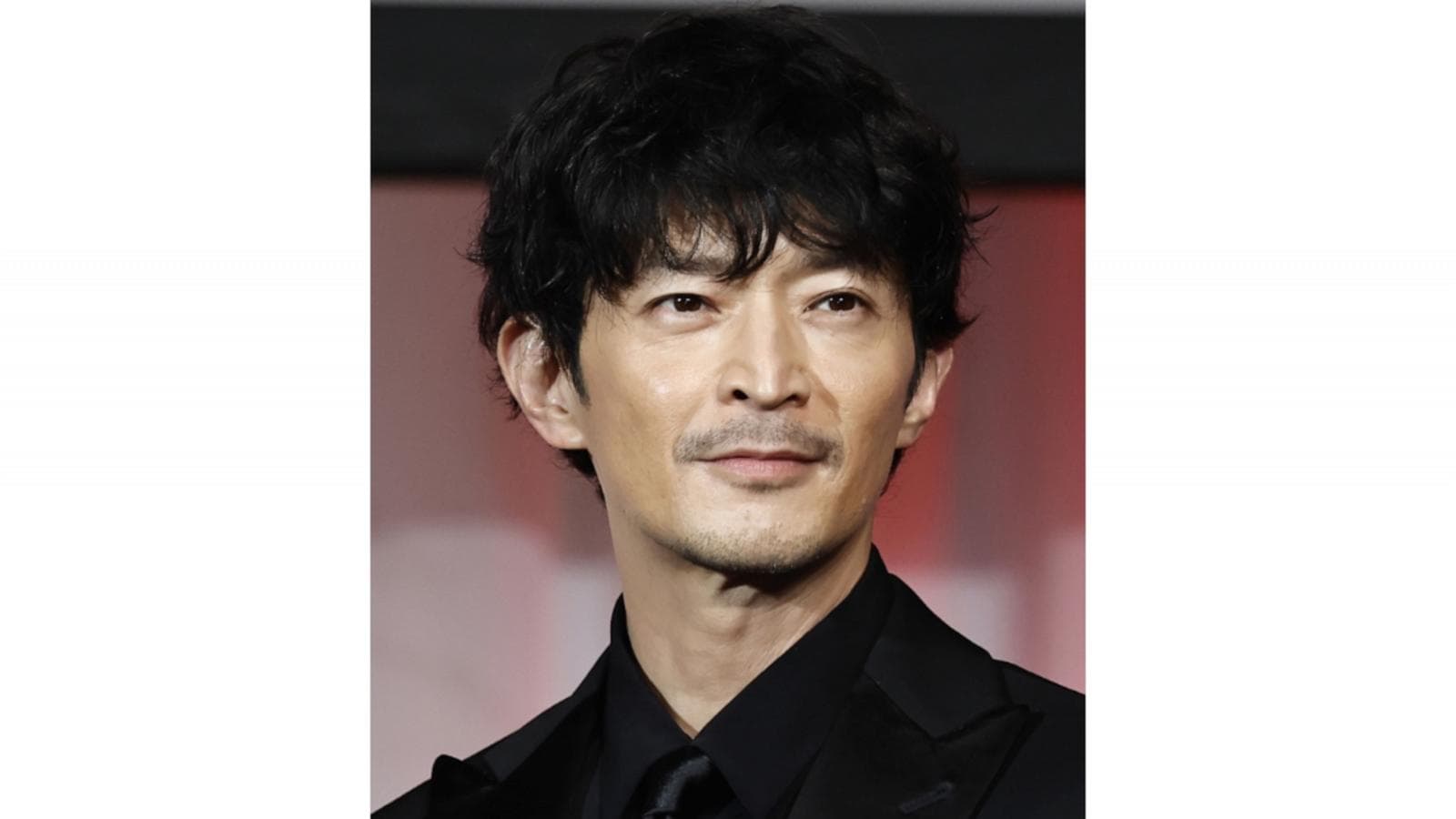
- Voice actor Kenjiro Tsuda sued an anonymous TikTok account for using an AI-generated voice resembling his own to narrate over 180 videos, amassing over 200,000 subscribers.
- The court recognized the voice as a symbol of individual personality, but dismissed the request for video removal since the account had already been closed.
The context you actually need
- Japanese voice actors have increasingly faced threats from generative AI tools that replicate their voices for commercial use, often without consent.
- Current laws in Japan lack explicit protections for voice rights, although interpretive guidelines suggest that unauthorized monetized use may violate existing rights.
- International cases, like Scarlett Johansson's objection to an AI voice clone, have highlighted the global concerns surrounding AI voice replication in entertainment.
What's really happening
The Tokyo District Court's ruling on September 30, 2026, is a significant step in addressing the legal ambiguities surrounding AI voice cloning. The case was initiated by Kenjiro Tsuda, a prominent voice actor, who discovered that an anonymous TikTok account had been using an AI-generated voice that closely resembled his own to narrate videos on urban legends and paranormal topics. This account, known as "Nanami," had gained substantial traction, amassing over 200,000 subscribers and raising concerns about unauthorized use of Tsuda's likeness.
The court's decision recognized the human voice as a form of personal expression deserving of protection under publicity rights, akin to how an image or portrait is treated. This ruling is particularly relevant in a landscape where generative AI technologies are rapidly evolving, and the potential for misuse is high. The court's acknowledgment of voice as a symbol of individual personality is a crucial development, especially given the absence of specific statutory protections for voice rights in Japan.
While the ruling is a partial victory for Tsuda, it did not address whether the voice used in the TikTok videos was indeed his or a generic AI-generated voice. The defendant argued that the voice was not distinctive enough to cause reputational harm, highlighting the ongoing debate about what constitutes a recognizable voice in the age of AI. The court's dismissal of the request for video removal, due to the account's closure, indicates a nuanced approach to enforcement, focusing on the principles of publicity rights rather than direct punitive measures.
This ruling is likely to have a ripple effect across the entertainment industry, particularly for voice actors who may now feel empowered to seek legal recourse against unauthorized AI voice cloning. It also places pressure on platforms like TikTok to navigate the delicate balance between fostering technological innovation and respecting individual rights. As AI developers and content creators grapple with these new legal frameworks, the ruling serves as a deterrent against unauthorized use of voices, potentially leading to increased litigation in the sector.
Who feels it first (and how)
- Voice actors: They may seek legal action against unauthorized AI voice use, feeling more empowered by this ruling.
- Content creators: Those using AI-generated voices will need to reassess their practices to avoid legal repercussions.
- Social media platforms: Companies like TikTok will have to implement stricter guidelines to comply with emerging legal standards.
What to watch next
- Increased litigation: Expect more lawsuits from voice actors seeking to protect their likenesses as awareness of this ruling spreads.
- Platform policy changes: Watch for TikTok and similar platforms to update their policies regarding AI-generated content to align with legal expectations.
- Legislative developments: Monitor potential movements toward formalizing voice rights in Japan and other countries, which could influence global standards.
The Tokyo District Court recognizes human voices as protected under publicity rights.
Increased legal actions from voice actors against unauthorized AI voice use will emerge.
The long-term impact on AI development and content creation practices remains to be seen.
Frequently Asked Questions
- Why it matters?
- This landmark decision sets a precedent for how publicity rights are interpreted in the context of AI-generated content, impacting creators and platforms globally.
- What happened (in 30 seconds)?
- On September 30, 2026, the Tokyo District Court ruled that human voices are protected under publicity rights, marking a first in Japan's legal landscape regarding AI voice cloning. Voice actor Kenjiro Tsuda sued an anonymous TikTok account for using an AI-generated voice resembling his own to narrate over 180 videos, amassing over 200,000 subscribers. The court recognized the voice as a symbol of individual personality, but dismissed the request for video removal since the account had alread
- What's really happening?
- The Tokyo District Court's ruling on September 30, 2026, is a significant step in addressing the legal ambiguities surrounding AI voice cloning. The case was initiated by Kenjiro Tsuda, a prominent voice actor, who discovered that an anonymous TikTok account had been using an AI-generated voice that closely resembled his own to narrate videos on urban legends and paranormal topics. This account, known as "Nanami," had gained substantial traction, amassing over 200,000 subscribers and raising con
- Who feels it first (and how)?
- Voice actors: They may seek legal action against unauthorized AI voice use, feeling more empowered by this ruling. Content creators: Those using AI-generated voices will need to reassess their practices to avoid legal repercussions. Social media platforms: Companies like TikTok will have to implement stricter guidelines to comply with emerging legal standards.
- What to watch next?
- Increased litigation: Expect more lawsuits from voice actors seeking to protect their likenesses as awareness of this ruling spreads. Platform policy changes: Watch for TikTok and similar platforms to update their policies regarding AI-generated content to align with legal expectations. Legislative developments: Monitor potential movements toward formalizing voice rights in Japan and other countries, which could influence global standards.
Technology and innovation coverage, including consumer tech and digital transformation stories.
"Emirates 24|7 technology coverage often highlights practical tech developments with relevance to Gulf readers and businesses."
— A47 Editor
AI clone case: Tokyo court grants legal protection to human voices
A Tokyo court has granted legal protection to the human voice in a landmark ruling, responding to a lawsuit filed by popular anime voice actor Kenjiro Tsuda against TikTok for the unauthorized use of an AI clone of his voice. The court's decision mar...
Technology innovations, startups, and trends.
"ABC News delivers broad national coverage with a mainstream editorial stance, focusing on accessibility and balanced reporting."
— A47 Editor
Tokyo court grants legal protection to human voices in AI clone case
A Tokyo court has granted legal protection for human voices in a significant ruling related to a popular Japanese anime voice actor, marking a pivotal moment in the intersection of technology and intellectual property rights. This decision underscore...
News and features on AI from The Guardian.
"Progressive-leaning international outlet with critical AI coverage."
— A47 Editor
AI tool that copied actor’s ‘lustrous’ voice violated his rights, Tokyo court rules
A Tokyo court has ruled in favor of actor Kenjiro Tsuda, stating that his voice, which was cloned by a TikTok account in AI-generated videos, is entitled to legal protection similar to publicity rights. This landmark decision marks a significant reco...
International coverage from The Guardian's global desks.
"The Guardian is known for its progressive editorial stance and in-depth analysis."
— A47 Editor
AI tool that copied actor’s ‘lustrous’ voice violated his rights, Tokyo court rules
A Tokyo court has ruled in favor of actor Kenjiro Tsuda, stating that his voice, which was cloned by a TikTok account in AI-generated videos, is entitled to legal protection similar to publicity rights. This landmark decision marks a significant reco...