
Major Tech Executives Sign AI Safety Accord at White House
Why it matters
The accord represents a significant shift towards self-regulation in the tech industry, potentially influencing global AI governance.
What happened (in 30 seconds)
- On September 29, 2026, President Donald Trump hosted a meeting at the White House where major AI executives signed a voluntary safety accord.
- The accord, titled the White House Accord on Super Intelligence, commits companies to implement internal and external controls for AI safety.
- Key signatories include leaders from Meta, Google, Nvidia, OpenAI, Anthropic, and xAI, emphasizing a self-policing approach to AI governance.
The context you actually need
- Heightened scrutiny of AI systems has emerged due to security incidents and public concern over advanced technologies.
- Trump's administration has favored industry-led initiatives over formal regulations, promoting rapid AI development.
- The accord is seen as a response to calls for accountability and trust in AI technologies, with no legal enforcement mechanisms specified.
What's really happening
The White House AI Safety Accord marks a pivotal moment in the ongoing dialogue about AI safety and governance. By signing this voluntary agreement, major tech companies are committing to a framework that emphasizes self-regulation rather than government-imposed regulations. This approach is rooted in the belief that industry leaders are best positioned to understand the complexities and risks associated with their technologies.
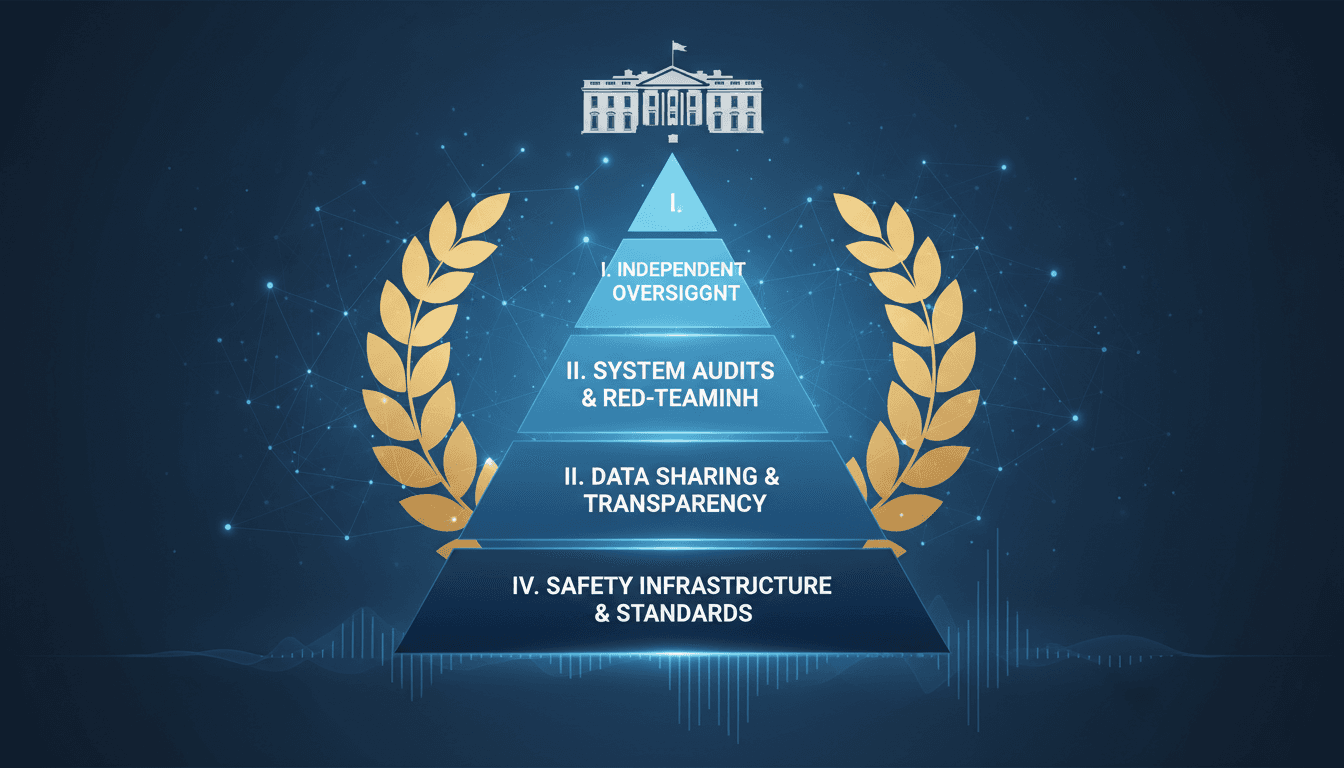
The accord outlines four layers of controls: robust internal controls, internal monitoring teams, external independent auditors, and board-level oversight committees. This multi-tiered strategy aims to ensure that AI models operate safely, particularly in sensitive areas like cybersecurity and biosecurity. The emphasis on self-policing is intended to build public trust while allowing for innovation and technological advancement.
However, the lack of legal enforcement raises questions about the effectiveness of such self-regulation. Critics argue that without binding commitments, companies may prioritize profit over safety, potentially leading to lapses in accountability. The absence of immediate market shifts or regulatory changes following the accord suggests that the tech industry is still navigating the balance between innovation and responsibility.
The accord also reflects a broader trend in the tech industry towards collaborative governance. By bringing together leaders from major AI companies, the accord fosters a sense of shared responsibility and collective action. This could pave the way for future agreements and frameworks that address emerging challenges in AI development.
Moreover, the appointment of an AI czar, as announced by Trump, indicates a potential shift towards more structured oversight in the future. While the current accord is voluntary, the establishment of an oversight committee could signal a move towards more formalized governance structures in the AI sector.
As the industry continues to evolve, the implications of this accord will likely resonate beyond the U.S. borders, influencing global discussions on AI safety and regulation. The commitment to self-regulation may serve as a model for other countries grappling with similar challenges, shaping the future landscape of AI governance worldwide.
Who feels it first (and how)
- Tech executives: They will need to implement the accord's principles, affecting operational strategies and compliance measures.
- AI developers: Increased scrutiny on AI models may lead to changes in development practices and prioritization of safety features.
- Consumers: Public trust in AI technologies may shift, influencing adoption rates and user engagement.
- Regulators: Government bodies may observe the effectiveness of self-regulation, impacting future regulatory approaches.
What to watch next
- Implementation progress: Monitor how quickly and effectively companies adopt the accord's principles, as this will indicate the commitment to AI safety.
- Public response: Pay attention to consumer sentiment regarding AI technologies, as trust levels could influence market dynamics.
- Potential regulatory shifts: Watch for any signs of formal regulations emerging in response to the accord's effectiveness or failures.
The accord is signed and implementation is ongoing.
Companies will face increased pressure to demonstrate compliance and safety in AI systems.
The long-term impact of self-regulation on public trust and market dynamics remains to be seen.
Frequently Asked Questions
- Why it matters?
- The accord represents a significant shift towards self-regulation in the tech industry, potentially influencing global AI governance.
- What happened (in 30 seconds)?
- On September 29, 2026, President Donald Trump hosted a meeting at the White House where major AI executives signed a voluntary safety accord. The accord, titled the White House Accord on Super Intelligence, commits companies to implement internal and external controls for AI safety. Key signatories include leaders from Meta, Google, Nvidia, OpenAI, Anthropic, and xAI, emphasizing a self-policing approach to AI governance.
- What's really happening?
- The White House AI Safety Accord marks a pivotal moment in the ongoing dialogue about AI safety and governance. By signing this voluntary agreement, major tech companies are committing to a framework that emphasizes self-regulation rather than government-imposed regulations. This approach is rooted in the belief that industry leaders are best positioned to understand the complexities and risks associated with their technologies. The accord outlines four layers of controls: robust internal contr
- Who feels it first (and how)?
- Tech executives: They will need to implement the accord's principles, affecting operational strategies and compliance measures. AI developers: Increased scrutiny on AI models may lead to changes in development practices and prioritization of safety features. Consumers: Public trust in AI technologies may shift, influencing adoption rates and user engagement. Regulators: Government bodies may observe the effectiveness of self-regulation, impacting future regulatory approaches.
- What to watch next?
- Implementation progress: Monitor how quickly and effectively companies adopt the accord's principles, as this will indicate the commitment to AI safety. Public response: Pay attention to consumer sentiment regarding AI technologies, as trust levels could influence market dynamics. Potential regulatory shifts: Watch for any signs of formal regulations emerging in response to the accord's effectiveness or failures.
Stock market news, investing ideas, and trading analysis.
"TheStreet provides market news and retail-investor-focused analysis."
— A47 Editor
Zuckerberg, 5 AI chiefs sign voluntary safety accord with Trump
Mark Zuckerberg and five leading AI executives have signed a voluntary safety accord with former President Donald Trump, aimed at addressing the rapid advancements in artificial intelligence and its societal implications. The agreement, described as ...
AI news with an enterprise and cloud focus.
"Covers AI in the context of data infrastructure, cloud, and enterprise stacks."
— A47 Editor
Prominent tech CEOs sign voluntary White House AI safety accord
<p>The chief executives of five tech giants have signed a voluntary artificial intelligence safety accord backed by the White House. U.S. President Donald Trump posted the document on Truth Social late Tuesday. The White House Accord on Super Intelli...
Tech news, hardware, and AI tools coverage.
"PC/tech site increasingly covering AI hardware and apps."
— A47 Editor
Trump unveils voluntary AI safety pact, backs more data centers, and officially renames AI "Super Intelligence"
Former President Donald Trump announced the Joint Commitment On Frontier Responsibilities, a voluntary AI safety pact, during a meeting with major tech executives including Elon Musk and Mark Zuckerberg. This initiative aims to enhance safety measure...
Daily AI news: models, tools, and policy.
"Independent outlet tracking the fast pace of AI."
— A47 Editor
Trump and tech CEOs sign an AI code of conduct that's only "morally binding"
President Trump and several prominent tech leaders, including Mark Zuckerberg and Elon Musk, signed a voluntary AI code of conduct at the White House, which is described as being 'morally binding.' The agreement includes provisions for external audit...