
Google Halts OSS VRP Vulnerability Submissions Amid AI-Generated Report Surge
Why it matters
The suspension highlights the growing challenges of managing AI-generated content in cybersecurity.
What happened (in 30 seconds)
- Google paused new product vulnerability submissions to its Open Source Software Vulnerability Rewards Program (OSS VRP) effective October 1, 2026.
- The company cited a surge in invalid, AI-generated reports overwhelming human reviewers.
- Existing submissions and other Google bug bounty programs remain unaffected, with updates expected in Q1 2027.
The context you actually need
- AI-generated reports have surged due to the proliferation of large language models, leading to a flood of low-quality submissions.
- Cybersecurity experts had previously warned about the risks of automated spam overwhelming triage processes in bug bounty programs.
- Google tightened submission requirements earlier in 2026 in response to rising automated reports, but the situation has escalated.
What's really happening
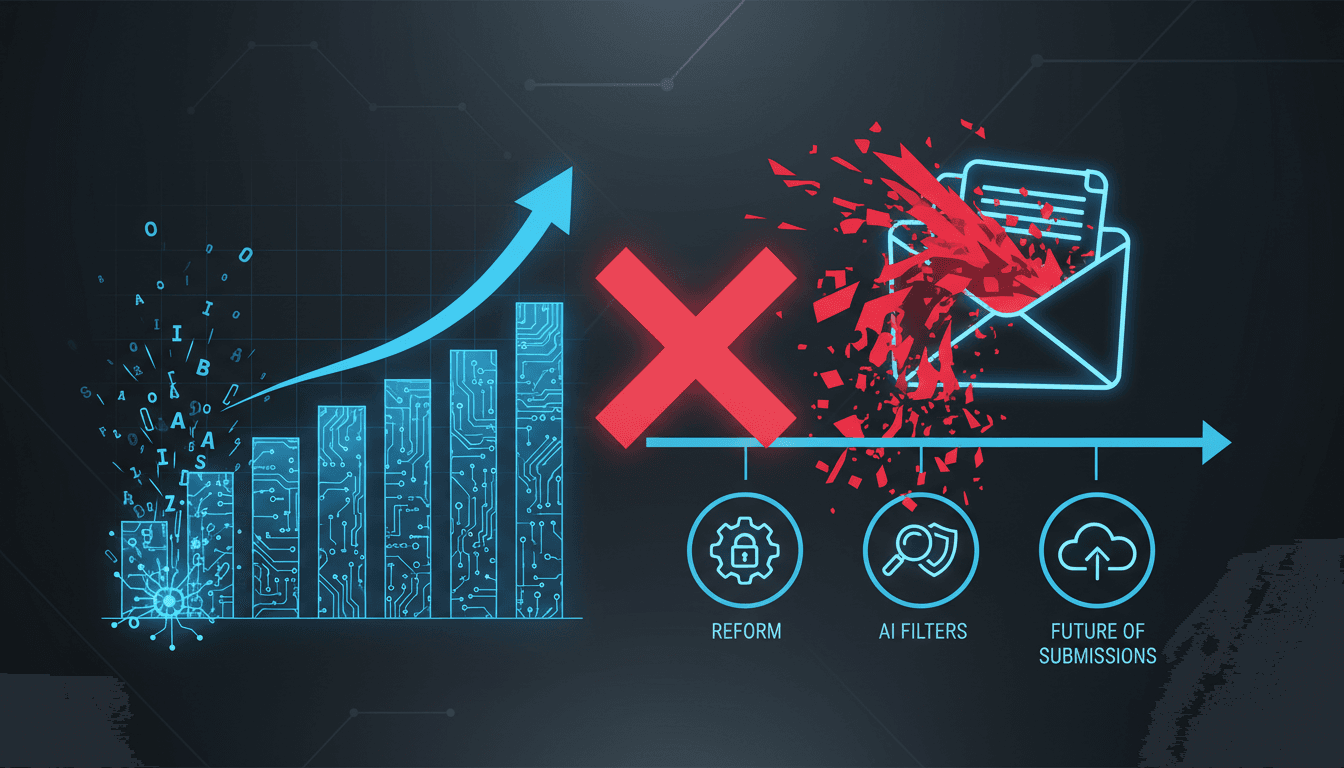
On October 1, 2026, Google announced a significant pause in accepting new product vulnerability submissions to its OSS VRP. This decision was driven by a dramatic increase in automated, AI-generated reports, which were largely invalid or contained inaccuracies—often referred to as "hallucinations." The influx of these low-quality submissions overwhelmed the human reviewers responsible for assessing the validity of reports and maintaining the integrity of Google's open-source projects.
The OSS VRP is a critical component of Google's approach to securing its open-source software, incentivizing researchers to identify and report vulnerabilities. However, the recent surge in AI-generated reports has raised concerns about the effectiveness of this program. Google has indicated that the vast majority of these automated submissions were not valid, prompting the company to take action to protect the quality of its vulnerability reporting process.
This pause affects only new product vulnerability reports; submissions made before October 1 and supply chain reports will continue to be processed. Google has directed researchers to alternative programs, such as the Cloud VRP or Patch Rewards, to ensure that valid reports can still be submitted and addressed. The company has committed to reforming the OSS VRP and plans to provide an update in Q1 2027.
The challenges posed by AI-generated content are not unique to Google. Similar strains have been observed in other open-source communities, such as curl and Linux kernel reviews, where the influx of low-quality submissions has also raised alarms. As the cybersecurity landscape evolves, the need for effective AI filters and improved submission processes becomes increasingly critical.
The implications of this pause extend beyond Google. As organizations increasingly rely on open-source software, the integrity of vulnerability reporting becomes paramount. If automated submissions continue to flood these systems, it could lead to a backlog of valid reports, ultimately compromising security efforts across the board.
Who feels it first (and how)
- Security researchers: Limited avenues for reporting vulnerabilities may hinder their ability to contribute effectively.
- Open-source maintainers: Increased workload due to the need to sift through existing submissions and manage the quality of reports.
- Tech companies: Organizations relying on Google's open-source projects may face security risks if vulnerabilities go unreported or unresolved.
What to watch next
- Program reforms: Watch for updates from Google in Q1 2027 regarding changes to the OSS VRP and how they plan to address the influx of AI-generated reports.
- AI filter development: Monitor advancements in AI filtering technologies that could help distinguish valid reports from automated noise.
- Community responses: Observe how other open-source communities adapt to similar challenges and whether they implement their own suspensions or reforms.
Google has paused new product vulnerability submissions to the OSS VRP.
Other organizations may follow suit if they experience similar issues with AI-generated submissions.
The long-term impact on the overall effectiveness of bug bounty programs remains to be seen.
Frequently Asked Questions
- Why it matters?
- The suspension highlights the growing challenges of managing AI-generated content in cybersecurity.
- What happened (in 30 seconds)?
- Google paused new product vulnerability submissions to its Open Source Software Vulnerability Rewards Program (OSS VRP) effective October 1, 2026. The company cited a surge in invalid, AI-generated reports overwhelming human reviewers. Existing submissions and other Google bug bounty programs remain unaffected, with updates expected in Q1 2027.
- What's really happening?
- On October 1, 2026, Google announced a significant pause in accepting new product vulnerability submissions to its OSS VRP. This decision was driven by a dramatic increase in automated, AI-generated reports, which were largely invalid or contained inaccuracies—often referred to as "hallucinations." The influx of these low-quality submissions overwhelmed the human reviewers responsible for assessing the validity of reports and maintaining the integrity of Google's open-source projects. The OSS V
- Who feels it first (and how)?
- Security researchers: Limited avenues for reporting vulnerabilities may hinder their ability to contribute effectively. Open-source maintainers: Increased workload due to the need to sift through existing submissions and manage the quality of reports. Tech companies: Organizations relying on Google's open-source projects may face security risks if vulnerabilities go unreported or unresolved.
- What to watch next?
- Program reforms: Watch for updates from Google in Q1 2027 regarding changes to the OSS VRP and how they plan to address the influx of AI-generated reports. AI filter development: Monitor advancements in AI filtering technologies that could help distinguish valid reports from automated noise. Community responses: Observe how other open-source communities adapt to similar challenges and whether they implement their own suspensions or reforms.
Curated insights and thought leadership in enterprise technology.
"Ciente.io delivers curated insights, thought leadership, and trends in B2B tech and innovation."
— A47 Editor
Google Hits Pause on its Bug Bounty Program Because of AI Slop
Google has paused its Open Source Software Vulnerability Rewards Program due to a significant increase in AI-generated submissions that are deemed low-quality or irrelevant. This decision reflects concerns over the effectiveness of the program amidst...
Consumer tech news, reviews, and buying guides for gadgets and electronics.
"TechRadar is known for comprehensive buying advice, hardware reviews, and consumer tech news targeted at mainstream audiences."
— A47 Editor
Google benches open source bug bounty program following ‘significant rise’ in AI submissions
Google has decided to pause its open source bug bounty program due to a significant increase in submissions related to artificial intelligence (AI). The company plans to reassess the program in the first quarter of 2027.
Startup news with frequent AI coverage.
"Covers launches, funding, and product updates in AI."
— A47 Editor
Google froze its open source bug bounty program due to a ‘significant rise’ in AI submissions
Google has temporarily suspended its open source bug bounty program due to a significant increase in submissions related to artificial intelligence (AI). This decision reflects the challenges the company faces in managing the influx of AI-related vul...